


Custom jewelry boxes are more than just storage—they showcase your precious pieces while reflecting your style and brand. Choosing the right materials for these boxes affects durability, protection, and the overall unboxing experience. From luxurious wood and leather to eco-friendly bamboo, paperboard, and velvet-lined interiors, each material offers unique benefits and aesthetic appeal. In this guide, we’ll explore the most popular materials used in custom jewelry boxes, helping you select the perfect combination for elegance, safety, and lasting impression.
Not all materials protect jewelry equally. Some guard against scratches, others resist moisture, and a few can withstand bumps or drops.
Wood: Strong and rigid, resists crushing. Can last for decades if cared for.
Metal: Extremely durable, scratches less easily than wood. Needs soft lining to prevent jewelry damage.
Fabric (Velvet, Suede, Satin): Gentle on delicate pieces but less impact-resistant. Can wear over time.
| Material | Scratch Resistance | Impact Protection | Moisture Resistance |
|---|---|---|---|
| Wood | Medium | High | Low-Medium |
| Metal | High | Very High | High |
| Velvet/Fabric | Low | Low | Low |
| Acrylic/Plastic | Medium | Medium | Medium |
They all serve a purpose, so think about the jewelry type and how it will be handled.
The material sends a message before your customer even opens the box.
Luxury & Elegance: Leather, mahogany, velvet interiors.
Modern & Minimalist: Acrylic, glass, brushed metals.
Eco-conscious & Natural: Bamboo, cork, recycled cardboard.
It’s important they match your brand. For example, a high-end jewelry brand benefits from rich textures and polished finishes. A sustainable brand gains credibility by using bamboo or recycled materials.
Material choice affects your bottom line.
High-end materials like exotic wood or full-grain leather are premium. They increase production costs.
Budget-friendly alternatives like MDF, faux leather, or paperboard keep costs low while still looking polished.
You also need to consider manufacturing processes—some materials need special tools, finishes, or linings.
More customers prefer eco-conscious packaging. Materials matter.
Bamboo: Lightweight, renewable, biodegradable.
Recycled Paperboard: Printable, cost-effective, eco-friendly.
Cork: Soft, natural texture, biodegradable.
Biodegradable Plastics: Break down naturally, reduce landfill waste.
It’s not just a trend. Choosing sustainable materials shows care for the environment and resonates with conscious buyers.
The heavier the box, the more shipping costs increase.
Wood and metal: Premium feel but heavier. May impact logistics for online stores.
Cardboard, acrylic, bamboo: Lightweight options, easier for e-commerce and gifting.
Think about how your box will be stored, transported, and handled before selecting a heavy material.
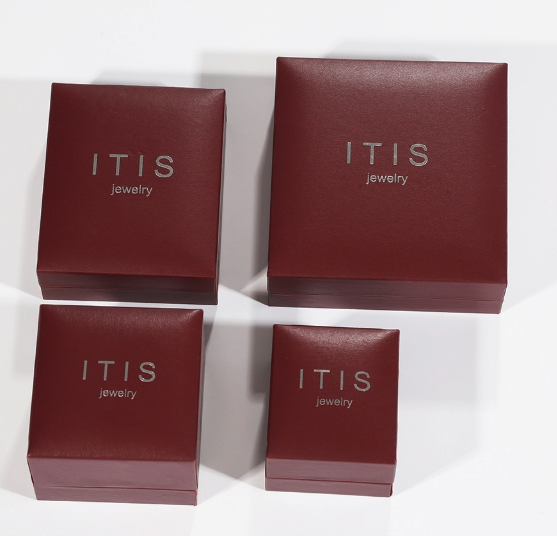
Choosing the right material for a custom jewelry box is about more than looks. It affects protection, durability, weight, and even the emotional value of the piece. Each material offers a distinct experience for both the jewelry and the customer. Here’s an in-depth look at the most popular options used in custom jewelry boxes.
Wood has been a go-to material for centuries. Its natural elegance makes any jewelry box feel like a keepsake.
Common types: Mahogany, walnut, oak, pine, maple, MDF with veneer
Pros:
Extremely durable, lasting for decades when cared for
Timeless and luxurious appearance
Can be carved, stained, painted, or engraved for unique designs
Cons:
Heavier than most other materials, increasing shipping costs
Sensitive to humidity and extreme temperature changes
Higher price point than cardboard or fabric
Ideal uses: Heirloom boxes, bridal collections, premium gifts
Quick Comparison Table – Wood Types
| Wood Type | Appearance | Durability | Customization Options |
|---|---|---|---|
| Mahogany | Deep, rich | Very high | Engraving, staining, lacquer |
| Walnut | Dark, sophisticated | High | Carving, inlays |
| Oak | Classic grain | High | Staining, painting |
| Pine | Light, rustic | Medium | Staining, simple carving |
| MDF + Veneer | Smooth & versatile | Medium | Laminates, foiling |
Leather boxes signal premium quality and craftsmanship. The feel alone elevates any unboxing experience.
Types: Full-grain, top-grain, genuine leather, faux/PU leather
Pros:
Soft and luxurious surface protects delicate jewelry
Timeless aesthetic that appeals to high-end buyers
Durable and ages gracefully if maintained
Cons:
Genuine leather can be costly
Requires occasional care to prevent cracking
Not vegan-friendly (for real leather)
Popular pairings: Velvet or suede interiors, magnetic closures, stitched compartments
Leather works especially well for wedding gifts, milestone presents, and branded luxury boxes.
Soft fabrics add a touch of luxury while keeping jewelry safe from scratches.
Uses: Lining compartments, drawers, and inserts
Pros:
Non-abrasive surface protects metals and gemstones
Adds a rich and elegant texture to the box
Available in many colors, textures, and blends
Cons:
Less rigid than wood or metal
Can attract dust or lint over time
Variations: Microsuede, plush velvet, satin blends
Velvet and suede are often paired with wooden or leather exteriors to create a striking visual and tactile contrast.
Paper-based boxes are versatile, lightweight, and highly customizable.
Types: Paperboard, chipboard, Kraft paper, recycled paper
Pros:
Easy to print, emboss, foil, or cut into unique shapes
Lightweight, reducing shipping costs
Eco-friendly options available
Cons:
Less durable, can warp under moisture
Might feel less premium than wood or leather
Best for: Branded packaging, gift boxes, artisanal collections
Tip: Layering paperboard with fabric or foil can enhance the premium feel without adding weight.
Metal boxes are perfect for durability and contemporary designs.
Common metals: Aluminum, brass, stainless steel, copper
Pros:
Extremely strong and long-lasting
Sleek, modern aesthetic
Can be engraved, etched, or polished for a luxury look
Cons:
Heavy, increasing shipping costs
Can feel cold or rigid without a soft lining
Temperature-sensitive, may need protective padding
Uses: Travel cases, minimalist luxury boxes, men’s jewelry collections
Metal exteriors often pair with velvet or leather interiors to balance protection and style.
Transparent materials let the jewelry shine even before opening the box.
Glass: Clear, frosted, tempered
Acrylic: Shatter-resistant, lightweight, customizable
Pros:
Allows full visibility of jewelry
Modern, stylish, and often used for display
Acrylic adds durability while keeping clarity
Cons:
Glass is fragile and heavier
Acrylic can scratch easily
Limited shapes and textures for glass
These materials are ideal for showcasing collections in boutiques or for high-end retail displays.
Eco-conscious packaging is increasingly popular. Consumers appreciate boxes that reflect their values.
Materials: Bamboo, cork, recycled paperboard, biodegradable plastics
Pros:
Renewable and biodegradable
Lightweight and practical
Appeals to environmentally conscious brands
Cons:
Limited color and finish options
Natural texture variations may require careful quality control
Use cases: Artisan brands, sustainable gifting, subscription boxes
Brands combining luxury and sustainability often layer eco-friendly cores with premium linings.
Mixed-material boxes combine texture, depth, and a premium feel.
Examples: Paper over fabric, wood with metal accents, leather with foil
Pros:
Creates visually striking, tactile designs
Can mimic luxury materials without full cost
Cons:
Requires careful design to maintain structural integrity
Can increase production complexity and cost
Mixed materials allow designers to experiment creatively while still protecting the jewelry effectively.
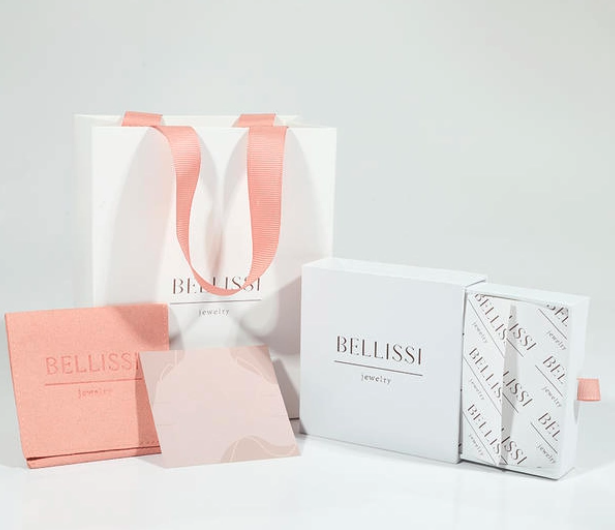
Custom jewelry boxes are commonly made from wood, leather, velvet or suede, paper and cardboard, metal, glass, acrylic, and eco-friendly materials like bamboo, cork, and recycled paperboard.
Velvet, suede, and satin linings are ideal for protecting delicate jewelry from scratches, while metal and wood exteriors offer strong impact resistance.
Leather boxes, especially full-grain or genuine leather, tend to be premium and more expensive, while faux leather provides a similar look at a lower cost.
Metal boxes are generally more impact-resistant and long-lasting, while wood offers durability with a classic, timeless appeal but is more sensitive to moisture.
Glass boxes are fragile and better suited for stationary display, while acrylic boxes are lightweight, shatter-resistant, and more practical for travel.
Choosing the right materials for your custom jewelry boxes can completely transform how your pieces are presented and protected. Whether you prefer the timeless elegance of wood, the soft luxury of velvet interiors, or eco-friendly bamboo options, each choice sends a message about your brand and the value you place on your products.
At Shenzhen ITIS Packaging Products Co., Ltd., we help you bring these designs to life. From tailored materials to expert finishes, we create jewelry boxes that not only safeguard your treasures but also leave a lasting impression on every customer.


