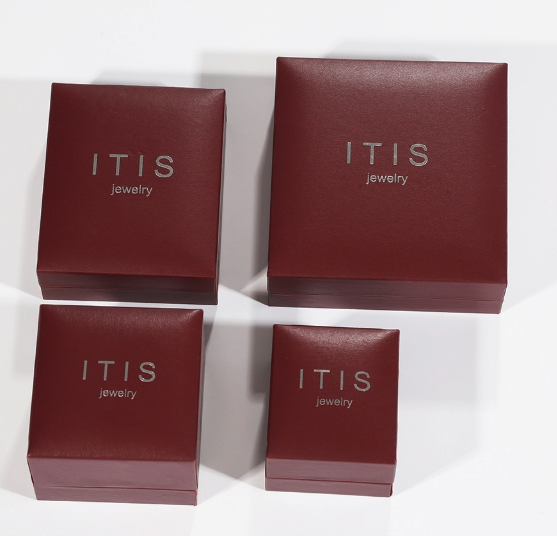
Custom ring box packaging plays a key role in protecting jewelry, strengthening brand presentation, and controlling packaging costs. This guide explains how to choose suitable box structures, exterior materials, inserts, branding techniques, and production specifications for different jewelry markets. It also covers practical factors such as MOQs, prototyping, dimensional tolerances, shipping efficiency, anti-tarnish protection, and storage conditions. By balancing structural durability, visual appeal, material safety, and unit economics, jewelry brands can create packaging that protects valuable rings while delivering a premium and consistent unboxing experience.
This guide explains how to create a custom luxury ring box that strengthens jewelry presentation, protects valuable rings, and supports premium brand positioning. It covers core materials such as velvet, leather, hardwood, HDF, resin, and acrylic, along with hinges, magnetic closures, interior cushioning, logo application, and color selection. The article also compares bespoke and high-volume manufacturing, including MOQs, lead times, unit economics, and supply chain considerations. Finally, it highlights quality-control risks involving tarnish, adhesives, alignment, and material durability to help jewelry brands source reliable luxury packaging.
Custom earring packaging must balance product protection, brand presentation, shipping efficiency, and cost. This guide explains how to choose display cards, rigid boxes, pouches, inserts, and outer mailers for different earring styles and sales channels. It also covers cardstock durability, die-cut layouts, transit immobilization, moisture and tarnish protection, MOQs, finishing costs, and sustainable material choices. By matching packaging structure to jewelry type and fulfillment needs, brands can reduce damage, improve the unboxing experience, streamline packing operations, and build a scalable packaging system for e-commerce and retail.
Choosing the right earring box inserts requires balancing product protection, presentation, cost, sustainability, and shipping performance. This guide compares paperboard, PU foam, pure velvet, and EVA foam inserts to explain how each material performs in retail and e-commerce applications. It examines shock absorption, tarnish risks, structural support, customization, unit economics, and long-term material stability. By understanding the strengths and limitations of each insert type, jewelry brands and packaging buyers can select a solution that protects delicate earrings, supports brand positioning, reduces transit damage, and fits their production and procurement requirements.
Custom jewelry packaging plays a critical role in protecting valuable products while creating a memorable customer experience. This guide explores different jewelry packaging types, materials, inserts, sustainability practices, and cost optimization strategies to help brands balance product protection, premium presentation, and operational efficiency. It also explains how shipping costs, material selection, and structural design affect long-term profitability, enabling businesses to develop custom jewelry packaging that strengthens brand identity and improves customer satisfaction.
Choosing the right custom jewelry box manufacturer in China is essential for achieving premium packaging quality, reliable production, and long-term supply chain stability. This guide explains how to evaluate manufacturers based on production capabilities, material sourcing, quality control, prototyping, MOQ, pricing, and certifications. It also provides practical sourcing strategies to help jewelry brands reduce risks, optimize costs, and develop custom jewelry packaging that protects products while enhancing brand image and customer experience.
Custom jewelry packaging is essential for protecting valuable products while creating a premium brand experience. This guide explains how packaging structure, materials, inserts, branding techniques, and unboxing design work together to improve product protection, customer satisfaction, and operational efficiency. It also explores manufacturing considerations, sustainability, supplier selection, and cost optimization, helping jewelry brands develop custom jewelry packaging that enhances perceived value and builds long-term customer loyalty.
Custom jewelry boxes play an essential role in protecting valuable jewelry while enhancing brand identity and customer experience. This guide explores popular box styles, structural materials, premium inserts, and decorative finishing techniques to help brands create high-quality jewelry packaging. It also explains how packaging design affects shipping efficiency, product protection, manufacturing quality, and long-term brand value, enabling jewelry businesses to choose custom jewelry boxes that combine functionality, aesthetics, and operational performance.
Luxury jewelry packaging is more than a protective box—it is an essential part of the customer experience and brand identity. This guide explains how premium materials, layered unboxing experiences, structural design, personalization, and sustainable packaging work together to create memorable first impressions. It also explores packaging costs, supplier selection, and quality control, helping jewelry brands develop luxury jewelry packaging that protects valuable products while increasing customer satisfaction, brand loyalty, and long-term business value.
Understanding custom jewelry box cost helps jewelry brands make informed packaging decisions while balancing quality, branding, and profitability. This guide explains how materials, structural design, printing methods, inserts, minimum order quantities, and logistics influence pricing. It also covers hidden costs, supplier evaluation, and ROI considerations, enabling businesses to optimize packaging budgets while creating premium custom jewelry boxes that enhance customer experience and strengthen long-term brand value.
Choosing between a paper jewelry box and a plastic jewelry box depends on your brand positioning, packaging budget, product protection requirements, and sustainability goals. This guide compares both materials in terms of durability, customization, shipping costs, environmental impact, and customer experience. It also explores packaging performance for e-commerce and retail applications, helping jewelry brands select the most suitable packaging solution while balancing premium presentation, operational efficiency, and long-term brand value.
Understanding custom jewelry box MOQ is essential for balancing packaging quality, production costs, and inventory planning. This guide explains why manufacturers require minimum order quantities, how box structure, materials, and printing methods influence MOQ, and practical strategies for reducing production minimums. It also covers supplier evaluation, quotation preparation, and bulk-order cost analysis, helping jewelry brands make smarter packaging decisions while improving supply chain efficiency and long-term profitability.
Knowing how to choose jewelry box storage is essential for protecting valuable jewelry and keeping every piece organized. This guide explains how to evaluate your collection, compare jewelry box materials, choose the right compartment layout, and select a storage solution that balances protection, accessibility, and future expansion. Whether you own a small personal collection or an extensive jewelry wardrobe, choosing the right jewelry box helps prevent scratches, tarnish, tangling, and unnecessary wear while enhancing everyday organization.
Jewelry packaging trends 2027 are transforming how brands deliver premium customer experiences while meeting growing sustainability requirements. This guide explores the latest innovations in eco-friendly materials, luxury box structures, minimalist aesthetics, smart packaging technology, and cost-effective packaging strategies. It also examines how brands can improve product protection, strengthen brand identity, and optimize supply chains through thoughtful jewelry packaging design, helping businesses stay competitive in the evolving global jewelry market.
Tired of browsing endless jewelry options? A Jewelry Subscription Box can simplify the choice. It delivers curated pieces on a schedule, based on your style profile. In this article, you’ll learn how it works, what arrives, and how to decide if it’s worth it.