


The physical unboxing experience remains the only guaranteed tactile touchpoint between an e-commerce jewelry brand and its customer. This moment directly influences retention, social sharing, and perceived product value. Brands frequently struggle to balance premium aesthetics with strict unit economics. They often overlook hidden costs like dimensional shipping weight, storage constraints, and material-induced tarnishing. A beautifully designed box loses its value if it inflates shipping costs or damages the product inside.
This guide provides a technical framework for evaluating, sourcing, and implementing custom jewelry packaging. We focus on protecting product integrity, aligning with brand positioning, and scaling with operational capabilities. You will learn how to navigate material chemistry, logistics, and structural design. By understanding these elements, jewelry companies can optimize their packaging strategy for both customer satisfaction and warehouse efficiency.
Material Chemistry Matters: Incompatible adhesives and fabrics can accelerate jewelry tarnishing; sulfur-free, acid-free, and pH-neutral/buffered materials are operational imperatives, not optional upgrades.
Unit Economics Extend Beyond Production: The true cost of packaging includes dimensional weight (DIM) shipping charges, assembly labor, and climate-controlled warehousing footprint.
MOQ Trade-offs: High Minimum Order Quantities (MOQs) lower per-unit costs but tie up cash flow and require significant storage space.
Sustainability as a Baseline: Transitioning to FSC-certified papers, soy-based inks, and biodegradable inserts is increasingly required to meet consumer expectations and regional compliance mandates.
Table of Contents
The primary function of any packaging is physical protection. Jewelry requires specific defenses against impact, vibration, and crushing during transit. You must establish baseline requirements for physical impact protection and scratch resistance. This ensures delicate chains and set stones arrive intact. Beyond physical safety, the chemical composition of the interior materials demands strict oversight. Brands must mandate acid-free and pH-neutral papers. We recommend a pH of 7.5 or higher to prevent chemical tarnishing.
Dangerous chemical compounds must be strictly excluded from the manufacturing process. Sulfur-heavy papers, chlorine-bleached fibers, and certain chemical glues cause rapid oxidation in sterling silver, brass, and low-karat gold. To further protect inventory, evaluate the integration of active mitigation elements. Implementing anti-tarnish tabs, Intercept technology coatings, or hidden silica gel desiccant packs placed beneath custom inserts provides an active defense against moisture and chemical reactions during storage and transit. We often see brands lose entire shipments because they ignored the off-gassing of cheap adhesives.
Specify sulfur-free materials in all vendor contracts.
Test all adhesives for off-gassing before mass production.
Include silica gel packs for ocean freight shipments.
Use pH-neutral tissue paper for direct product contact.

Packaging must reflect the value of the product inside. Mapping packaging tiers to product price points allows brands to offer appropriate experiences for demi-fine, high jewelry, or fashion jewelry lines. The structural sequence of unboxing should be carefully designed. This sequence often includes a shipper or mailer box, custom tissue paper sealed with a brand sticker, the primary gift box, an internal soft pouch, a care card, and a certificate of authenticity.
The psychological impact of tactile elements heavily influences perceived luxury. The physical weight of the box, the snap tension of a magnetic closure, and the smooth glide of pull-out drawers all communicate quality. Investing in these subtle structural details elevates the entire customer experience and reinforces brand positioning. A heavy, rigid box feels expensive. A flimsy, lightweight carton feels cheap. You must align the physical sensation with the price tag.
Packaging design directly impacts warehouse labor costs and fulfillment speed. Analyzing seconds-per-shipment kitting metrics reveals how efficiently warehouse staff can pack orders. Complex packaging structures slow down operations and increase labor expenses. If a packer takes three minutes to fold a box and tie a ribbon, your fulfillment costs will skyrocket during peak season.
Comparing pre-assembled rigid boxes against flat-pack folding cartons highlights key operational differences. Rigid boxes offer faster packing speeds but require more storage space. Folding cartons save space but demand manual assembly, tape, or adhesives. This lowers operational throughput during peak seasons. You must balance the cost of warehouse space against the cost of packing labor.
Rigid boxes define the standard for luxury presentation. Their structural composition relies on high-GSM chipboard wrapped in premium specialty papers. Common wraps include art paper, kraft paper, or textured buckram. Standard luxury structures include two-piece lid-and-base boxes, magnetic flap boxes, and slide-out drawer or sleeve boxes. The chipboard thickness usually ranges from 800gsm to 1200gsm, providing substantial heft and crush resistance.
These boxes are best utilized for high-ticket items requiring maximum protection, structural rigidity, and premium presentation. However, they come with notable drawbacks. Rigid boxes incur high outbound shipping costs due to their volume. They require a large physical storage footprint in warehouses. They also typically involve higher initial unit costs and MOQs. You cannot ship rigid boxes flat, so you pay to ship empty air from the manufacturer to your warehouse.
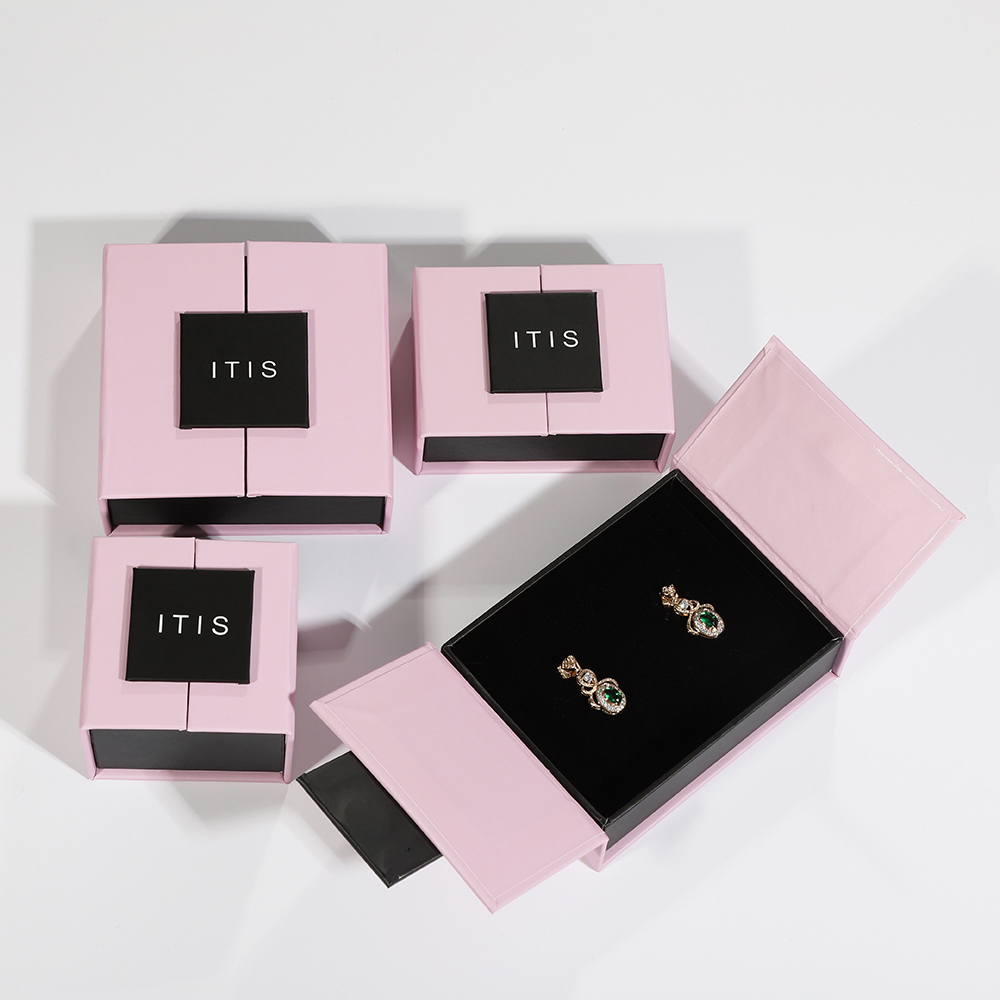
Folding cartons offer a practical solution for high-volume operations. Their structural composition consists of single-ply paperboard or Solid Bleached Sulfate (SBS). They ship flat to minimize freight costs. These cartons are ideal for lower price-point items, subscription boxes, and brands operating with limited warehouse space. A standard folding carton uses 300gsm to 400gsm paperboard.
Despite their efficiency, folding cartons have limitations. They convey a lower perceived luxury value compared to rigid structures. Furthermore, they require manual assembly and folding during fulfillment. They are more susceptible to crushing during rough transit if not paired with a sturdy outer mailer. We recommend using a crash-lock bottom design to speed up assembly time on the packing line.

Soft packaging provides versatile protection and presentation. Material options vary based on fiber durability and premium feel. Common choices include microfiber, velvet, organic cotton, linen, satin, and vegan suede. Closure mechanisms range from simple drawstrings and snap buttons to envelope folds and metal zipper accents. The fabric weight and weave density dictate the perceived quality.
Pouches serve multiple functions. They act as standalone primary packaging for minimalist or sustainable brands, reducing overall material usage. Alternatively, they function as secondary internal packaging nestled within luxury rigid boxes. This provides an extra layer of protection and a reusable item for the customer. Microfiber pouches double as polishing cloths, adding functional value.

The exterior shipping container is the first point of contact. Brands must analyze the necessity of custom outer packaging, such as E-flute corrugated mailers, versus standard unbranded shipping boxes. While custom mailers enhance the unboxing experience, they also broadcast the package's potential value. E-flute corrugated board provides excellent crush resistance while maintaining a slim profile.
Security is a major concern for jewelry shipments. Integrating tamper-evident features, tear strips, and discreet exterior branding helps prevent high-value package theft during transit. Balancing brand visibility with security ensures the product reaches the customer safely. Never print words like "jewelry" or "diamonds" on the exterior shipping label or mailer box.
The tactile experience of the box exterior sets the tone for the unboxing. Options include soft-touch coatings, embossed textured paper, uncoated natural kraft, and coated art paper. Print finishes and branding methods further elevate the design. You can utilize metallic foil stamping, debossing or embossing, spot UV, and water-based or soy-based inks. Soft-touch lamination provides a velvety feel but attracts fingerprints.
Each finish carries specific environmental impacts and cost variations. For instance, applying plastic lamination to a paper box severely affects its recyclability. Brands must weigh aesthetic desires against sustainability goals when selecting exterior treatments. Uncoated kraft paper with soy-based ink offers the most environmentally friendly profile, though it limits vibrant color reproduction.
Inserts secure the jewelry and prevent transit damage. Foam inserts, primarily EVA and PU, offer different levels of density and structural support. High-density EVA provides a clean, sharp look but poses environmental challenges. Cardboard and paperboard inserts represent a shift toward eco-friendly solutions. They utilize die-cut paper and custom folded cardstocks to hold the jewelry securely.
Fabric or suede-wrapped pads offer high-end presentation. Flocking versus wrapped plastic or paperboard trays must be evaluated for both aesthetics and anti-tarnish properties. Designing precise jewelry retention cutouts ensures the product remains perfectly positioned. You need specific earring holes, necklace hanging slits with back pockets, ring slot dimensions, and elastic security bands.
Insert Material | Pros | Cons |
|---|---|---|
High-Density EVA Foam | Clean cuts, excellent structural support, premium look | Poor environmental profile, difficult to recycle |
Die-Cut Paperboard | Highly recyclable, eco-friendly, cost-effective | Less premium feel, requires precise engineering |
Suede-Wrapped Pads | Luxurious presentation, good anti-tarnish properties | Higher cost, complex manufacturing process |
PU Sponge | Very cheap, lightweight, soft | Prone to yellowing, degrades over time, looks cheap |
Sustainability requires clear definitions. Brands must differentiate between recyclable, compostable, and recycled-content materials. Post-Consumer Recycled (PCR) plastics and papers are becoming industry standards. Verifying supply chain certifications is non-negotiable. Look for FSC (Forest Stewardship Council) certification for papers and GOTS (Global Organic Textile Standard) for fabric pouches.
Addressing the greenwashing risk is essential. Mixed-material boxes are rarely recyclable in standard municipal waste streams. A paper box featuring a magnetic metal closure and a glued-in foam insert will end up in a landfill. Designing packaging for easy component separation allows customers to properly dispose of or recycle the materials. Use friction-fit inserts instead of glue.
Procurement strategies dictate unit economics. There is a strict inverse relationship between order volume and unit price across different packaging types. High Minimum Order Quantities (MOQs) significantly drive down the per-unit cost but introduce other financial burdens. Ordering 10,000 units might drop the price by 40%, but you must pay for that inventory upfront.
Calculating the true cost of high MOQs involves factoring in capital lock-up, warehouse storage fees, and the risk of rebranding or product obsolescence. Buying 10,000 boxes to save fifty cents per unit is a poor decision if the brand lacks the storage space or plans to update its logo within six months. Always calculate the landed cost, including freight and storage, not just the factory unit price.
Sourcing location impacts lead times and capabilities. Overseas manufacturing, typically in Asia, offers lower unit costs, higher customization capabilities, and advanced structural engineering. However, it requires longer lead times of 8-12 weeks. It also incurs higher ocean freight costs and import tariffs. You must plan inventory months in advance.
Domestic sourcing provides faster turnaround times, usually 2-4 weeks. It offers lower MOQs and easier quality control due to proximity. The trade-off is significantly higher per-unit production costs. Brands often utilize a hybrid approach. They rely on overseas production for bulk orders and domestic suppliers for rapid replenishment during unexpected sales spikes.
Shipping carriers calculate costs based on Dimensional Weight (DIM). They use the formula (Length × Width × Height) / DIM Divisor. This calculation heavily impacts outbound e-commerce postage. It often makes the size of the box more expensive than its actual weight. A lightweight necklace in a massive box will cost a fortune to ship.
Reducing a box's outer dimensions by just half an inch can move a package into a lower shipping tier. This yields massive annual savings. Structural engineering should prioritize minimizing empty space within the packaging. You must optimize DIM weight without compromising product protection. Work closely with your fulfillment center to understand their specific shipping tiers.

Poorly sized insert cutouts pose a significant risk. They cause jewelry to shift, scratch, or become tangled during transit. Relying solely on digital 3D renders often leads to fitment failures upon mass production. A render cannot tell you if a heavy pendant will slip out of its slot during a rough truck ride.
To mitigate this, mandate physical, fully finished pre-production prototypes. Conduct ISTA 1A/3A drop-testing and transit vibration testing using actual product weights. This ensures the packaging performs under real-world shipping conditions. Never approve mass production based on a blank, unprinted sample or a digital file.
Running out of packaging halts all product sales. It effectively paralyzes the business even if jewelry inventory is fully stocked. Supply chain disruptions can occur without warning due to port strikes, material shortages, or factory shutdowns. You cannot ship a $500 ring in a plain brown envelope.
Establish reorder points based on a 90-120 day lead time cycle for overseas production. Maintaining a backup domestic supplier for emergency flat-pack packaging ensures operations continue during unforeseen delays. Keep at least a four-week buffer stock of your primary packaging in your local warehouse at all times.
Unapproved changes in manufacturing adhesives or glues can cause mass tarnishing of silver and brass inventory. Color variance across production runs also dilutes brand consistency. A factory might switch to a cheaper glue without telling you, ruining thousands of dollars of jewelry.
Specify exact Pantone colors, material GSM, and sulfur-free, water-based glue requirements in the manufacturing contract. Require pre-shipment inspections (PSI) and accelerated heat/humidity oven tests on sample packaging batches before authorizing shipment. Hold the factory financially accountable for any deviations from the approved golden sample.
Draft clear vendor agreements specifying material grades.
Hire third-party inspectors for pre-shipment quality control.
Perform oven testing on random production samples.
Compare production batches against a signed golden sample.
Selecting the right custom jewelry box manufacturer is about more than comparing prices. A reliable supplier should provide consistent quality, transparent communication, strong engineering capabilities, and scalable manufacturing that supports your brand's long-term growth. By carefully evaluating production capacity, quality control, prototyping, and supply chain reliability, you can reduce sourcing risks while ensuring premium packaging performance.
About Shenzhen ITIS
Shenzhen ITIS specializes in custom jewelry boxes and luxury jewelry packaging for global brands, offering innovative structural design, premium materials, strict quality management, and flexible OEM/ODM manufacturing services. With advanced production facilities and extensive experience in custom packaging projects, Shenzhen ITIS helps customers develop high-quality packaging solutions that combine elegant presentation, product protection, and cost-effective production.
Define your packaging specifications and quality requirements before requesting quotations.
Verify factory certifications, production capabilities, and quality control procedures before placing bulk orders.
Always approve physical pre-production samples before mass production begins.
Build long-term partnerships with manufacturers that offer stable production capacity, technical support, and consistent product quality.
Before selecting a custom jewelry box manufacturer in China, evaluate their engineering expertise, manufacturing capacity, material sourcing, quality assurance systems, OEM/ODM capabilities, and ability to deliver reliable packaging solutions that support your brand's long-term success.
A: Average MOQs vary by manufacturer and material. Overseas suppliers typically require 1,000 to 3,000 units for rigid boxes. Domestic suppliers may offer MOQs as low as 250 to 500 units, but at a significantly higher per-unit cost.
A: Mandate the use of acid-free, pH-neutral papers and sulfur-free adhesives in your packaging. Additionally, include anti-tarnish tabs or silica gel packets within the box to absorb moisture and reactive gases during transit and storage.
A: Generally, no. The embedded magnets contaminate the paper recycling stream. To make them recyclable, the box must be structurally designed so the consumer can easily tear it apart and remove the magnets before disposal.
A: Flat-pack folding cartons made from SBS paperboard are usually the most cost-effective option. They offer low production costs and minimize shipping and storage expenses due to their flat profile.
A: Standard overseas production and shipping take approximately 8 to 12 weeks. This includes prototyping, mass production, ocean freight, and customs clearance. Always factor this lead time into your inventory planning.
A: EVA foam provides superior structural support and a premium look for heavy items, but it is not eco-friendly. Die-cut paper inserts are highly recyclable and cost-effective, making them better for sustainable brands, though they require precise engineering.


