


The unboxing experience serves as the first physical touchpoint of a high-value jewelry transaction. This moment makes the presentation just as important to brand perception as the jewelry itself. Jewelry brands and wholesale buyers constantly struggle to balance aesthetic luxury with structural integrity, unit economics, and supply chain realities. Specifying the right materials and dimensions requires careful planning. A poorly designed enclosure can damage delicate pieces or tarnish precious metals during transit.
This guide breaks down the technical specifications of custom ring box packaging. We provide a framework to evaluate structural designs, exterior materials, and insert options. You will learn how to protect the product while scaling efficiently with your production needs. By understanding manufacturing tolerances and material properties, you can engineer packaging that secures the jewelry and elevates the consumer experience.
Material Selection Dictates Margins: The choice between rigid chipboard, wood, or velvet directly impacts unit cost, shipping weight, and minimum order quantities (MOQs).
Inserts Require Technical Precision: High-density EVA foam or velvet-wrapped pads must be specified with exact dimensional tolerances to prevent transit damage and chemical tarnishing.
Structural Integrity Precedes Aesthetics: A visually stunning box fails if the hinge mechanism degrades or the magnetic closure lacks sufficient gauss strength.
Prototyping is Non-Negotiable: Mitigate production risks by demanding physical samples to test ring fit, branding alignment (e.g., foil stamping clarity), and closure security before mass production.
Table of Contents
Mapping packaging spend to the retail value of the jewelry establishes a sustainable baseline. High-volume fashion jewelry requires lightweight, cost-effective enclosures to maintain margins. Bespoke proposal rings demand heavy, premium materials that reflect the high transaction value. You must define your target unit cost early in the design phase. This constraint dictates whether you pursue molded plastics, rigid chipboard, or solid wood substrates. Aligning the exterior finish with your brand identity ensures the packaging feels authentic to the consumer. Manufacturers often reverse-engineer the structural design based on your maximum allowable packaging spend, ensuring the final product remains economically viable at scale.
Storage efficiency drives wholesale packaging decisions. Buyers moving massive inventory volumes favor stackable, uniform shapes that maximize warehouse space. A minor reduction in box dimensions can drastically improve pallet utilization, lowering freight costs. Direct-to-consumer brands prioritize the unboxing reveal. DTC strategies often incorporate rigid, oversized enclosures that create a premium tactile experience upon delivery. You must balance the need for flat-pack viability in bulk shipments against the structural rigidity required for a luxury presentation. The chosen distribution model directly influences the structural template you select and the materials you specify.
Physical protection represents the baseline function of any jewelry enclosure. The structure must absorb transit shock and prevent the ring from dislodging during rough handling. Chemical protection requires equal attention. Sterling silver and high-karat gold react poorly to sulfur compounds found in standard paper and adhesives, resulting in silver sulfide (Ag2S) tarnishing. You must specify sulfur-free materials and chemically neutral glues. Anti-tarnish fabrics prevent oxidation and keep the jewelry pristine during long-term storage. We recommend requesting chemical composition reports from your packaging supplier to verify the absence of reactive compounds.
Tactile feedback shapes the consumer's perception of quality. The friction of a lift-off lid should provide slight resistance without requiring excessive force. Hinge mechanisms must snap shut with a definitive, satisfying click. Magnetic closures need appropriate gauss strength to prevent accidental opening. Evaluating the sensory impact involves testing the weight, texture, and sound of the packaging. Structural integrity ensures these tactile elements remain consistent from the factory floor to the final consumer. You should conduct drop tests and vibration simulations to confirm the box maintains its shape and closure security under stress.
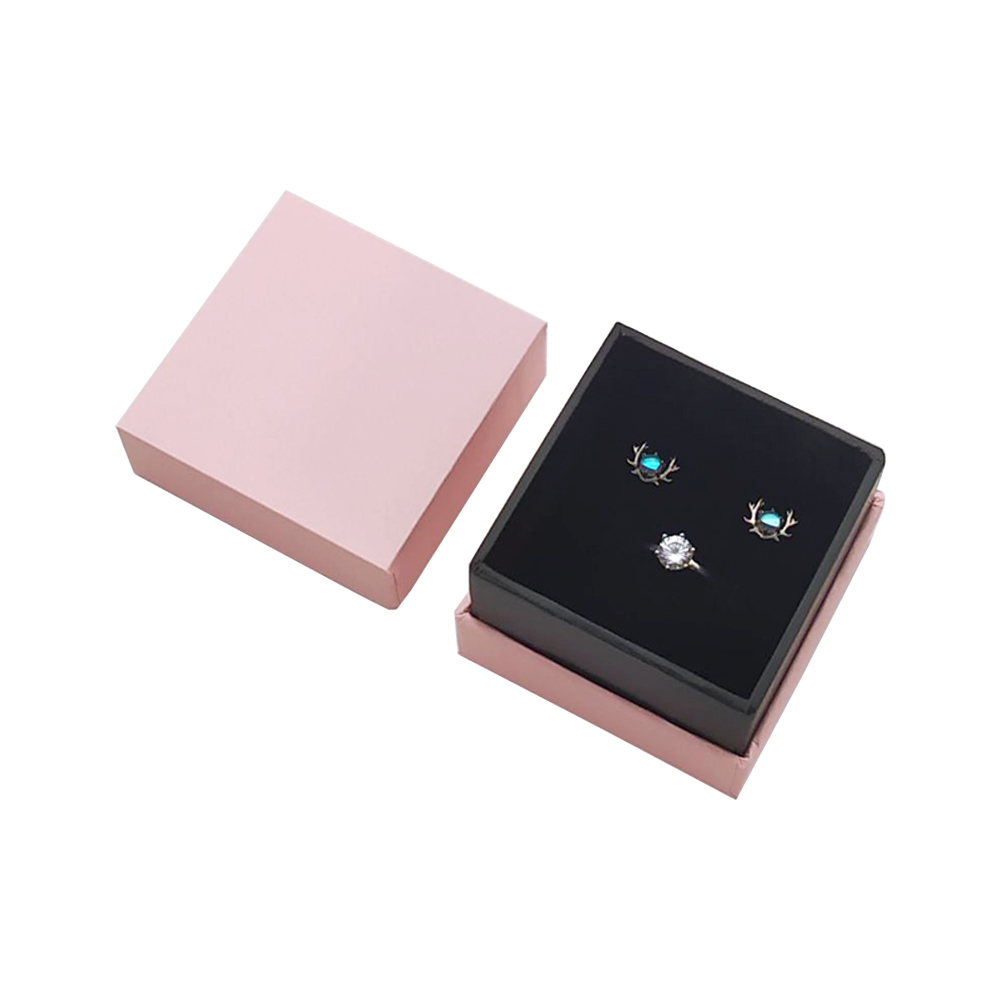
The standard lift-off lid design dominates the jewelry market due to its manufacturing simplicity. Success relies heavily on friction-fit tolerances. If the lid fits too tightly, it creates a vacuum effect, frustrating the user. If it fits too loosely, the lid falls off during handling. Manufacturers must calibrate the clearance between the base and the lid based on the thickness of the wrapping paper. A standard tolerance of 0.5mm to 1mm clearance usually provides the ideal friction. This configuration supports high-speed automated assembly, making it ideal for large production runs.
Drawer styles offer a unique reveal mechanism. Users pull a ribbon or grip a thumb notch to slide the inner tray outward. The outer sleeve requires high structural rigidity to prevent crushing during transit. If the sleeve warps, the inner drawer binds and fails to open smoothly. Ribbon pulls must be securely anchored beneath the insert using high-tack industrial adhesives to withstand repeated use. Grosgrain ribbons generally outperform satin ribbons in durability for this application. This style works exceptionally well for stackable storage and minimalist brand aesthetics.
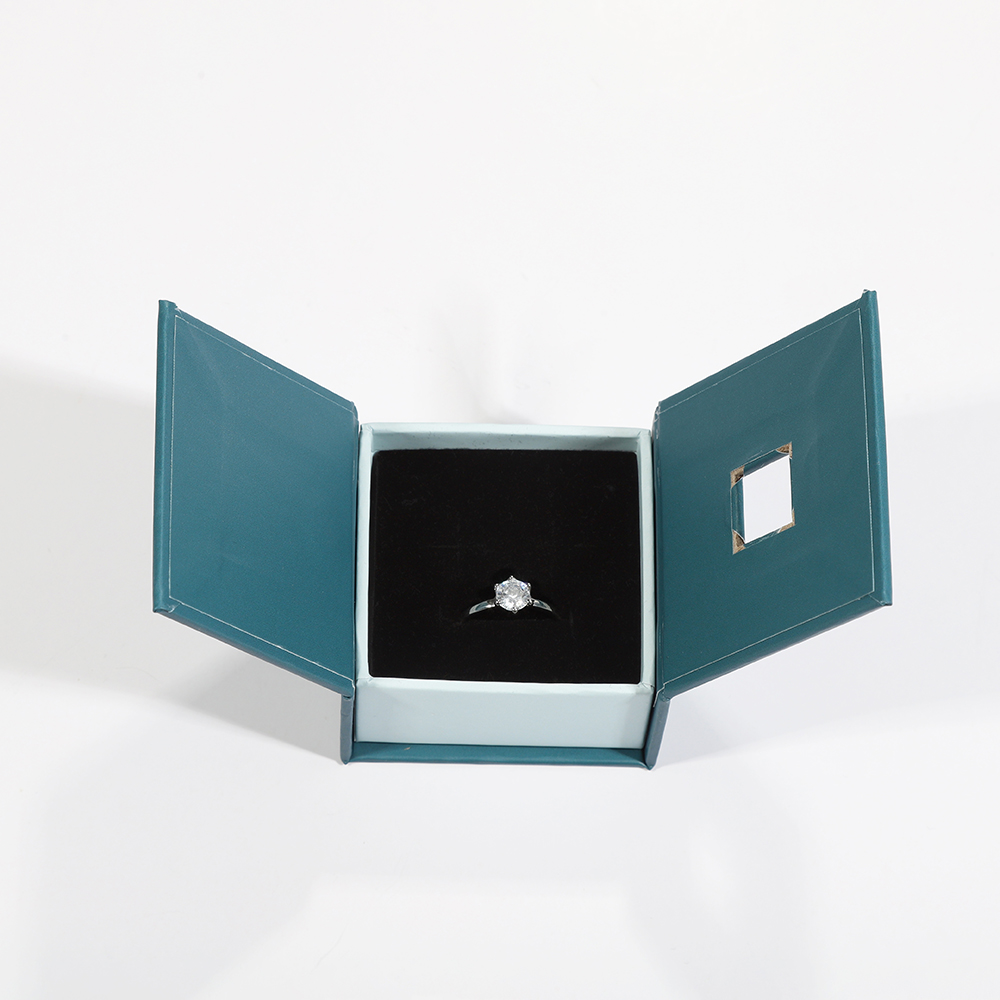
Book-style enclosures mimic the structure of a hardcover book. A single piece of material wraps around the base, forming the spine and lid. Hidden magnets embedded in the front lip provide a seamless closure. Technical requirements include precise magnet placement and durable hinge materials. The wrapping paper at the hinge point must withstand repeated opening without tearing or cracking. Paper grain must run parallel to the hinge line to ensure a smooth fold. Seamless edge wrapping elevates the perceived value, hiding all raw cardboard edges from the consumer.
Non-standard shapes like cylinders, hexagons, or octagons capture attention on retail shelves. These geometric alternatives require complex die-lines and specialized tooling. The trade-offs include increased manufacturing costs and slower production speeds. Cylindrical tubes often utilize rolled edges, which demand precise moisture control during production to prevent the paper from unraveling. Geometric shapes also create storage inefficiencies, as they leave empty voids when packed into master shipping cartons. You should only specify these shapes when shelf differentiation outweighs logistical efficiency.
Emerging structural trends focus on drastically reducing volumetric shipping weight. Collapsible structures ship flat from the factory and assemble into rigid boxes at the fulfillment center. Hidden adhesive strips or strategically placed N52 neodymium magnets lock the walls into place. Upon assembly, the structure maintains a premium, rigid feel. This approach significantly lowers freight costs and reduces the warehouse footprint. Flat-pack designs require rigorous prototyping to ensure the fold lines do not weaken the final assembled structure. The v-groove cuts in the chipboard must be calibrated perfectly to allow a clean 90-degree fold.
Table: Structural Design Comparison
Structural Style | Manufacturing Speed | Storage Efficiency | Primary Mechanism |
|---|---|---|---|
Two-Piece (Lid & Base) | Very Fast | Moderate | Friction Fit |
Drawer (Matchbox) | Fast | High | Sliding Tray |
Book-Style (Magnetic) | Moderate | Moderate | Concealed Magnets |
Collapsible (Flat-Pack) | Slow | Very High | Adhesive / Magnets |
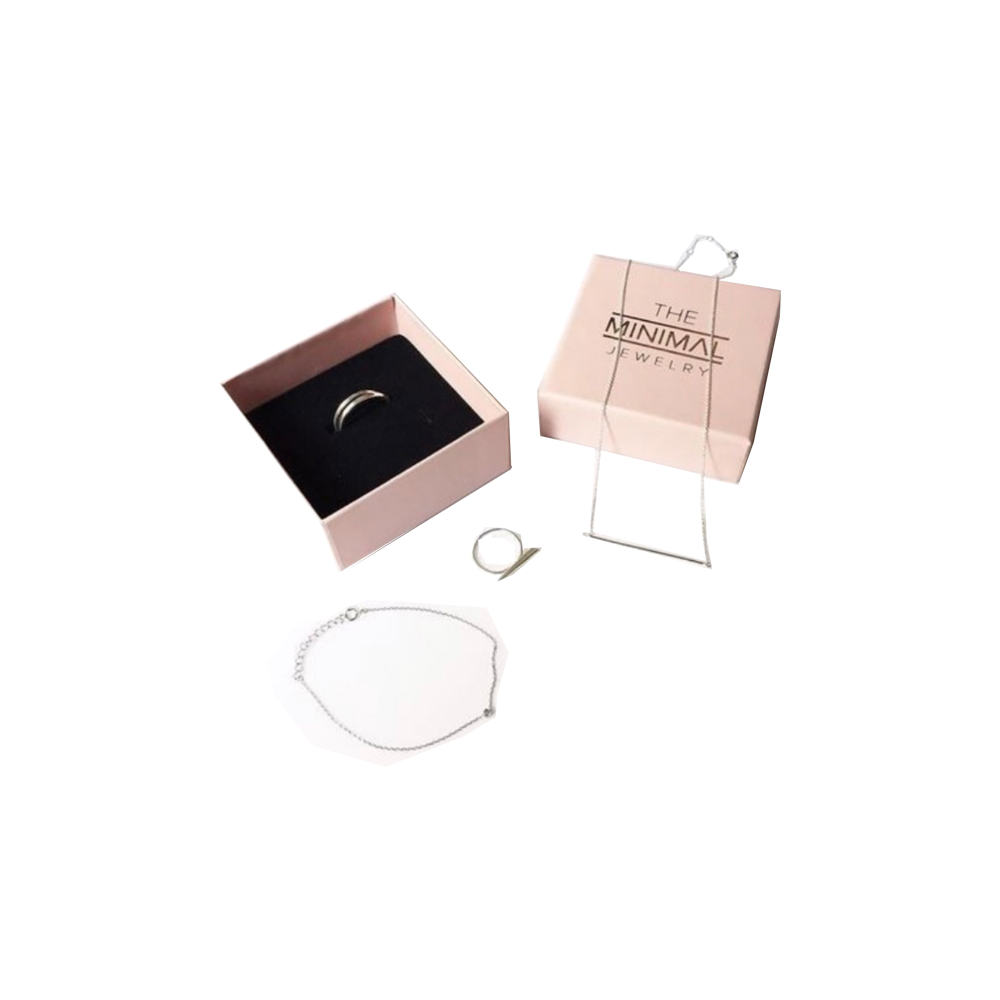
Rigid chipboard serves as the foundation for most premium jewelry packaging. Thickness grades typically range from 800gsm to 1200gsm. A 1200gsm board provides a dense, unyielding structure suitable for high-end applications. Manufacturers wrap this core with textured papers, soft-touch laminates, or printed sheets. Chipboard offers excellent scalability and aligns well with eco-friendly brand positioning when sourced from recycled materials. It provides a flat, stable surface for intricate foil stamping and embossing. You must ensure the chipboard maintains a moisture content below 12% to prevent warping during ocean freight.
Fabric wraps represent the traditional luxury standard for proposal rings. Velvet and suede offer a soft, tactile experience that paper cannot replicate. Evaluating these materials requires checking the pile density. A low-density pile looks patchy and feels cheap. Adhesive application demands precision; too much glue bleeds through the fabric, ruining the finish. Fabric wraps also attract dust, requiring careful handling and protective outer sleeves during shipping and retail display. Flocked fabrics offer a more consistent finish than woven velvets and are generally easier to wrap around sharp corners.
Solid wood enclosures position the jewelry at the highest end of the market. Wood requires specialized hinge hardware and strict moisture control to prevent warping or cracking. Faux leather (PU) offers a similar premium aesthetic without the weight penalties of solid wood. PU wraps stretch easily over complex curves and resist moisture. Both materials increase the overall shipping weight, which impacts freight calculations. Hardware selection, such as brass clasps or concealed hinges, dictates the final assembly cost. CNC routing is often required to hollow out the interior cavity of solid wood boxes.
Unbleached kraft paperboard appeals to sustainable, environmentally conscious jewelry lines. The raw, textured finish communicates an organic brand identity. However, kraft paperboard presents specific limitations. It lacks the structural rigidity of thick chipboard, making it vulnerable to crushing. Print fidelity suffers on the porous, uneven surface. Fine typography and intricate logos often bleed or lose sharpness. Brands utilizing kraft must design bold, simple graphics and accept a more rustic presentation. You may need to apply a double-hit of white ink before printing CMYK colors to ensure the artwork remains vibrant against the brown substrate.
Table: Outer Material Specifications
Material Type | Durability | Tactile Feel | Manufacturing Complexity |
|---|---|---|---|
Rigid Chipboard (1200gsm) | High | Smooth / Firm | Low |
Velvet / Suede Wrap | Medium | Soft / Luxurious | High (Adhesive risks) |
Solid Wood | Very High | Heavy / Solid | Very High (Hardware needed) |
Kraft Paperboard | Low | Textured / Organic | Low |
The insert secures the jewelry and defines the interior presentation. High-density EVA (Ethylene-Vinyl Acetate) foam provides excellent compression resistance. It die-cuts cleanly, leaving sharp, precise edges around the ring slot. EVA feels dense and premium, typically specified between 35 and 40 kg/m³ density. Polyurethane (PU) foam, commonly known as standard sponge, costs less but lacks rigidity. PU foam compresses easily and degrades over time. EVA carries a slight risk of off-gassing, requiring proper ventilation during manufacturing before inserting delicate metals.
Velvet-wrapped pads offer a classic, tailored look. The core typically consists of a rigid cardboard or vacuum-formed plastic base, topped with a thin layer of sponge, and wrapped tightly in velvet. Fabric tension must remain consistent to prevent wrinkles around the ring slot. Standard ring slot dimensions usually measure 2mm to 4mm in width. You must specify the slot depth accurately to ensure high-profile diamond settings clear the inner lid when closed. The wrapping process is highly manual, which can increase assembly times and labor costs.
Modern packaging trends favor versatility. Modular inserts accommodate various product combinations, such as bridal sets or stackable rings. Removable pads allow the retailer to swap out single-slot inserts for double-slot versions without changing the outer box. Multi-slot configurations utilize high-density foam with precision cuts to hold multiple bands securely. This modularity reduces the number of unique packaging SKUs a brand must hold in inventory, streamlining warehouse operations. Die-cut inserts with removable plugs offer the ultimate flexibility for fulfillment centers.
Chemical compatibility is non-negotiable for fine jewelry. Sterling silver and gold alloys oxidize when exposed to sulfur and certain acids. You must specify sulfur-free adhesives for all interior components. The fabrics used for inserts and linings must undergo chemical neutrality testing. Anti-tarnish fabrics contain microscopic copper or silver particles that intercept and neutralize airborne sulfur gases. Implementing these materials prevents long-term damage and reduces customer returns due to tarnished merchandise. Always request a material safety data sheet (MSDS) from your supplier.
Extending the brand lifecycle involves creating packaging the consumer wants to keep. Repurposable designs feature removable inserts. Once the user takes the ring out, they can remove the slotted pad, converting the enclosure into a general keepsake or travel case. This strategy adds functional value to the packaging. Designing for reuse requires durable interior linings that look finished even after the primary insert is discarded. A flocked interior base provides a clean, luxurious finish beneath the removable tray.
Hot foil stamping applies metallic pigment to the surface using heat and pressure. It requires custom metal dies, usually made of magnesium or brass. Brass dies last longer for high-volume production. Evaluating foil stamping involves checking the adhesion on textured substrates; deep textures can cause the foil to flake. Blind embossing presses a raised or recessed image into the material without ink or foil. Embossing demands thick, pliable paper wraps to achieve a noticeable depth of impression. Both techniques require upfront tooling costs for the custom dies.
Spot UV applies a localized, clear gloss finish to specific areas of the packaging. It creates a striking visual and tactile contrast against matte backgrounds. You can use Spot UV to highlight logos or create subtle, repeating background patterns. The varnish is typically screen-printed and cured under UV light. Custom textures involve embossing the entire paper wrap with patterns like linen, leather, or wood grain before wrapping the chipboard. These textures elevate the sensory experience without compromising the structural integrity of the rigid core.
Branding strategies differ based on the target audience. Individualized consumer details, such as custom wedding dates or short messages, require flexible, low-volume printing methods like digital foil or laser engraving. Volume wholesale branding focuses on jeweler-level details. This includes company logos, custom foil placement, and consistent pantone matching across thousands of units. Wholesale orders rely on traditional metal dies and offset printing to achieve economies of scale. Standardizing the base color and only customizing the lid is a common strategy to reduce tooling expenses.
Integrating digital elements into physical packaging bridges the gap between the product and the online brand experience. You can incorporate hidden QR codes or NFC tags beneath the insert or printed on the base. Consumers scan these tags to verify jewelry authenticity, access care instructions, or view digital brand stories. Smart packaging requires careful placement to ensure the technology functions through the structural materials without disrupting the visual aesthetic. NFC tags must be placed under non-metallic materials to ensure the signal remains readable by smartphones.
Moving from visual inspiration to mass production requires precise documentation. A tech pack translates mood boards into manufacturer-ready technical specifications. It must include accurate 2D CAD die-lines (.dxf files), exact Pantone color codes, and specific material callouts. Ambiguity in the tech pack leads to manufacturing errors. Clear documentation ensures the factory understands the exact friction tolerances, hinge requirements, and insert dimensions before cutting any material. You should always require a PDF proof approval before the factory begins tooling.
Custom structural designs and specialized materials directly influence baseline volume requirements. Factories amortize the cost of setting up machines, mixing custom dyes, and cutting metal dies across the total order volume. Low quantities result in exceptionally high unit costs. Standard shapes and stock paper colors offer lower MOQs. If you require custom paper colors, expect the factory to demand higher minimum order quantities, as paper mills often require a one-ton minimum run to produce a custom dyed substrate.
Prototyping mitigates massive production risks. You must test physical samples with actual jewelry. We recommend following a strict prototyping workflow to ensure accuracy.
Request a blank structural prototype to confirm dimensions and friction fit.
Test the slot width to ensure it holds the ring securely without bending the band.
Check the lid clearance to ensure high-profile settings do not strike the top of the box.
Request a fully printed prototype to verify branding alignment, foil clarity, and color accuracy.
Evaluate the material finish under standard retail lighting conditions.
Never approve mass production without handling a physical sample and testing it with your actual product.
Logistics often dictate the final packaging design. Freight companies charge based on volumetric weight, meaning large, empty boxes cost as much to ship as heavy ones. The standard volumetric divisor is 5000 for air freight and 6000 for sea freight. Assess the flat-pack versus pre-assembled shipping costs early in the process. Warehouse climate control is critical. Fluctuating humidity causes rigid chipboard to warp and encourages mold growth on fabric wraps. Proper storage environments protect your packaging investment before it ever reaches the consumer.
Custom ring box packaging must be engineered as a careful balance of protective utility, brand storytelling, and unit economics. The structural integrity, chemical safety, and tactile feedback of the enclosure directly influence the perceived value of the jewelry inside. By understanding the technical properties of chipboard, foam inserts, and anti-tarnish materials, you can specify packaging that performs flawlessly under real-world conditions. Base your structural and material choices on your specific retail price point, required production volume, and sustainability mandates. High-volume fashion pieces demand lightweight, efficient designs, while bespoke jewelry requires heavy, luxurious materials.
For brands looking to turn packaging concepts into reliable production, Shenzhen ITIS Packaging Products Co., Ltd. is a professional custom jewelry packaging manufacturer based in Shenzhen, providing one-stop support from packaging design and production through delivery. With experience in personalized packaging for rings, bracelets, necklaces, earrings, and other jewelry products, the company helps brands develop packaging solutions that combine presentation, protection, and practical production requirements.
Take the following steps to optimize your packaging strategy:
Audit your current packaging dimensions to eliminate unnecessary volumetric weight and improve pallet utilization.
Define your target unit cost and match it to appropriate exterior materials and insert types.
Request a structural dieline and a blank physical prototype from your packaging manufacturer.
Test the prototype with your largest, highest-profile jewelry pieces to verify internal clearances.
A: Standard single ring boxes typically measure 50mm x 50mm x 45mm. Bridal sets often require 75mm x 50mm x 45mm. You must account for internal clearance. High-profile diamond settings need at least 35mm of vertical interior space to prevent the lid from striking the stone during transit.
A: High-density EVA foam provides superior shock absorption and holds the ring firmly in place during transit. Velvet-wrapped sponge offers excellent scratch resistance and a softer presentation, but lacks the rigid structural support of EVA foam. The choice depends on transit requirements and aesthetic preference.
A: MOQs dictate the amortization of setup costs. Custom tooling, die-cutting plates, and printing press setups require significant upfront labor. Spreading these fixed costs over 5,000 units drastically reduces the individual unit cost compared to a run of 500 units. Higher volumes yield better margins.
A: Yes. You can utilize FSC-certified paperboard, soy-based inks, and molded pulp or corrugated inserts. However, achieving a traditional luxury feel is challenging. Sustainable options often lack the heavy weight of solid wood or the soft texture of synthetic velvet, resulting in a more rustic, organic presentation.
A: EVA (Ethylene-Vinyl Acetate) foam is dense, rigid, and allows for precise, clean die-cut edges. It feels premium and secures heavy rings effectively. Standard polyurethane sponge is softer, compresses easily, and degrades faster over time, making it less suitable for high-end, long-term jewelry storage.
A: Typical timelines include 1 to 2 weeks for engineering and physical prototyping. Once you approve the prototype, mass production usually requires 3 to 5 weeks. Freight times vary based on the method; air freight takes days, while ocean freight can add 4 to 6 weeks to the timeline.
A: You must specify the use of sulfur-free papers and chemically neutral adhesives. Standard industrial glues emit gases that accelerate oxidation on sterling silver and gold. Incorporating anti-tarnish fabrics treated to neutralize airborne sulfur further protects the jewelry during extended storage.


