


The unboxing experience is the physical manifestation of a watch brand’s equity, but packaging must simultaneously serve as a high-security transit vessel for delicate, high-value mechanical or electronic assets. Misalignment between timepiece value and packaging quality degrades perceived brand value, while poor structural engineering leads to transit damage, increased RMA (Return Merchandise Authorization) rates, and bloated shipping costs. Successfully specifying custom watch box packaging requires a systematic evaluation of exterior substrates, interior cushioning tolerances, hardware durability, wholesale dynamics, and scalable manufacturing realities. You need a solution that protects the asset while elevating the presentation. This guide breaks down material selection, insert engineering, and finishing techniques to help you build packaging that performs flawlessly from the factory floor to the customer's hands.
Material Density Dictates Perception: The choice between solid wood, rigid board, or polymers directly impacts the weight, acoustic feedback (the "thud" of closing), and perceived luxury of the packaging.
Insert Precision is Non-Negotiable: Watch cushions and cavity tolerances must account for varied strap materials and sizes, requiring high-memory foams or structured pillows to prevent transit shifting.
Hardware Drives Longevity: Friction hinges and closure mechanisms are the most common failure points; specifying high-cycle hardware is critical for long-term brand retention.
Scalability Relies on Standardization: Balancing bespoke luxury finishes with standardized structural footprints minimizes tooling costs, optimizes wholesale pricing, and streamlines freight logistics.
Table of Contents
Before selecting materials or finishes, you must establish baseline performance metrics. Packaging engineering requires balancing aesthetic ambition with logistical constraints. A beautiful box fails if it cannot survive the global freight network. You must define exact parameters for protection, presentation, and supply chain efficiency.
Your primary objective is asset protection. Mechanical watches contain delicate escapements and rotors sensitive to shock. Smartwatches feature glass screens vulnerable to impact. You must define baseline requirements for impact resistance, crush strength, and vibration dampening. Packaging should pass standardized drop tests, such as ISTA 3A, which simulates the hazards of parcel delivery systems. The exterior shell absorbs the initial impact, while the interior inserts dampen kinetic energy. Presentation matters, but it cannot compromise structural integrity. The unboxing sequence should reveal the timepiece flawlessly, without dislodged components or scuffed surfaces. Engineers achieve this by calculating the exact deceleration forces the interior foam must absorb during a one-meter drop.
Structural footprints must adapt to specific product configurations. A single luxury mechanical timepiece requires a focused, centralized presentation. Multi-item retail gift sets demand complex layouts to secure extra straps, tools, or cufflinks. Smartwatches introduce unique challenges. You must engineer integrated cable routing and charger presentation. The end-user should not struggle to remove charging peripherals. Map out every component that goes into the box. Design the cavities so that secondary items remain firmly locked in place, preventing them from migrating and scratching the primary timepiece during transit. Use physical dummy weights during the design phase to simulate the exact center of gravity.
Physical dimensions directly dictate freight expenses. Carriers calculate shipping charges based on dimensional weight (DIM). A box that is unnecessarily large incurs severe freight penalties, even if it is lightweight. You must calculate the DIM impact of your packaging size. Reducing a box's height by just two centimeters can drastically increase the number of units that fit on a standard pallet. Material density also impacts unit economics. Heavy wooden boxes increase air freight costs significantly. You must balance the desired heft of the packaging with the reality of global shipping rates. Work with your freight forwarder to establish maximum allowable outer carton dimensions before finalizing the box design.
Packaging investment must map directly to the retail price point of the timepiece. Entry-level smartwatches require scalable, lightweight, and highly recyclable materials. Haute horlogerie demands heirloom-quality presentation vessels. Over-packaging a budget watch erodes profit margins. Under-packaging a luxury watch destroys consumer trust. Define your packaging budget as a strict percentage of the product's retail value. This ensures the physical presentation aligns with consumer expectations without compromising the financial viability of the product line. High-end brands often allocate a larger percentage to packaging to reinforce the luxury experience, while volume brands focus on material efficiency.
Material selection serves as the foundation of your packaging strategy. The substrate determines the manufacturing process, the available finishes, and the final tactile experience. You must evaluate materials based on structural stability, scalability, and perceived value.

Wooden watch boxes are a premium choice for luxury brands because they provide a natural appearance, strong structure, and high-end feel. Materials such as walnut, mahogany, and cedar create a classic look, while wood veneer over MDF offers better stability and cost control. However, wood requires careful moisture control during production to prevent warping or cracking. Compared with other materials, wooden boxes have higher costs, longer production times, and increased shipping weight.
Rigid paperboard boxes are widely used for premium retail and large-volume watch packaging. They use a thick board core wrapped with paper, fabric, or synthetic materials to create a strong and customizable structure. They support various printing and finishing options, including textures, foil stamping, and custom patterns. Rigid paperboard is lighter and more cost-effective than wood, making it suitable for wholesale production. However, it provides less weight and natural luxury feeling compared with solid wood boxes.
Modern sports watches and technical timepieces often utilize polymers, acrylics, or machined metals. Injection-molded plastics like ABS or Polycarbonate allow for complex, futuristic geometries that are impossible to achieve with wood or paper. Aluminum or steel cases provide extreme durability and a distinct tactical aesthetic.
When evaluating these materials, you must account for injection molding tooling costs. Steel molds require significant upfront investment. You also need to assess scratch resistance and finish adhesion. Painted plastics can chip if not properly primed. While these materials offer extreme durability and unique visual appeal, they demand strict quality control to prevent surface blemishes, sink marks, or weld lines during the molding process. Draft angles must be precisely calculated to ensure the parts eject cleanly from the mold without scuffing.
Material Category | Primary Use Case | Key Advantages | Manufacturing Considerations |
|---|---|---|---|
Solid Wood & Veneers | Haute Horlogerie, Limited Editions | High perceived value, acoustic resonance, heirloom durability. | Requires strict moisture control (8-12%); high freight weight. |
Rigid Paperboard | Premium Retail, Scalable Wholesale | Highly customizable wraps, lightweight, sustainable options. | Requires V-grooving for sharp corners; vulnerable to extreme crush forces. |
Polymers & Metals | Sports Watches, Technical Brands | Complex geometries, extreme durability, modern aesthetic. | High upfront tooling costs; requires precise draft angles for molding. |
The exterior attracts the eye, but the interior secures the asset. Interior engineering requires precise tolerances and an understanding of material chemistry. A flawless exterior means nothing if the interior damages the watch. You must engineer the internal cavities to absorb shock while maintaining a pristine presentation.
The watch cushion is the primary interface between the packaging and the timepiece. Material selection includes PU leather, velvet, suede, and microfiber. You must evaluate these materials based on abrasion resistance. The fabric must not micro-scratch highly polished watch cases or delicate bracelets. Test the fabric against 904L stainless steel and 18k gold to ensure zero abrasion.
Performance criteria center on compression recovery, often referred to as memory. The cushion must compress to accept different wrist sizes (men's versus women's bands) and then expand to hold the watch firmly. If the cushion lacks memory, the watch will sit loosely and rattle during transit. You must specify the exact circumference and compressibility of the cushion to ensure a universal fit across your product line. A standard cushion circumference of 170mm to 190mm accommodates most adult wrist sizes.
The cavity houses the cushion. You must choose between rigid and flexible cavity structures. Solution categories include EVA foam, molded pulp, and plastic injection. High-density EVA foam (typically 35-45 Shore C hardness) allows for precise CNC routing, creating exact negative spaces for the watch and accessories. Molded pulp offers a sustainable, rigid alternative, though it lacks the premium feel of flocked foam.
Evaluation requires testing the friction fit. The cavity must grip the cushion tightly enough to prevent rotational movement during drop tests. If the cavity is too loose, kinetic energy transfers directly to the watch. If it is too tight, the consumer will struggle to remove the timepiece, ruining the unboxing experience. You must engineer a tolerance that balances security with accessibility. A standard friction fit tolerance leaves a 1mm to 1.5mm gap between the uncompressed cushion and the cavity wall.
Modern Watch Box Packaging rarely holds just a watch. Design requirements often dictate hidden tiers, false bottoms, or side cavities. You must securely house warranty cards, authenticity certificates, extra links, interchangeable straps, and charging peripherals.
These secondary compartments require meticulous engineering. A heavy metal strap adjustment tool cannot sit loosely next to a polished watch case. You must design dedicated, friction-fit recesses for every accessory. Ribbon pull-tabs or thumb notches must be integrated seamlessly to allow users to access false bottoms without tearing the interior lining. Use die-cut cardstock or routed foam to create distinct zones for each accessory.
The interior of a closed watch box creates a microclimate. This environment poses hidden chemical risks. Off-gassing from cheap industrial adhesives or low-grade foams can tarnish silver, bronze, or sensitive dial materials. Hydrogen sulfide emissions react rapidly with precious metals, causing irreversible discoloration.
You must mitigate these implementation risks aggressively. Specify anti-tarnish linings and sulfur-free glues. Demand REACH-compliant materials from your manufacturing partners. For watches shipping via sea freight, integrate discreet desiccant compartments to control moisture. Silica gel packets should be hidden beneath false bottoms, not tossed loosely on top of the watch. Conduct accelerated aging tests in a climate chamber to verify that the interior materials will not degrade the watch over a five-year period.
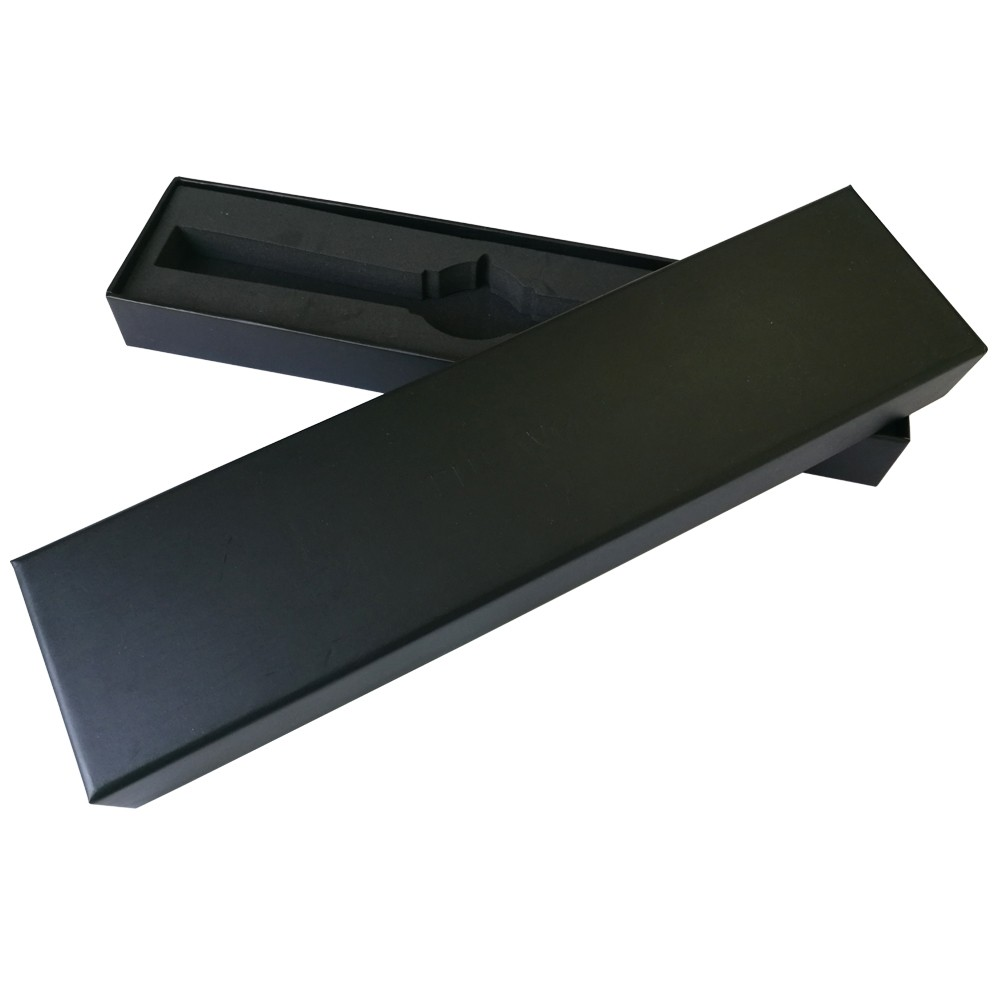
Finishes and hardware elevate the structural blank into a branded asset. These elements require precise application and rigorous durability testing to survive consumer handling. The tactile feedback of a finish and the mechanical resistance of a hinge define the perceived quality of the entire package.
The surface finish affects both the appearance and durability of a watch box. Common options include glossy coatings, matte finishes, soft-touch laminates, and UV coatings. Glossy surfaces create a premium look but easily show fingerprints and scratches, while soft-touch finishes provide a luxury feel but require good protection against aging. Choosing the right coating helps maintain the box appearance during storage, shipping, and long-term use.
Custom logos help strengthen brand recognition and create a premium packaging experience. Popular options include foil stamping, embossing, debossing, silk printing, and metal logo plates. Each method requires proper tooling and accurate production control to ensure clear details and strong adhesion. High-quality logo finishing should remain sharp and consistent throughout the product lifecycle.
Hinges and closures directly affect the user experience and service life of luxury watch boxes. Options include metal hinges, friction hinges, push-button systems, and magnetic closures. High-quality hardware keeps the lid aligned and provides smooth opening and closing. Testing hinge durability through repeated opening cycles helps prevent issues such as loose lids, misalignment, or closure failure.
Scaling production requires a deep understanding of manufacturing economics. You must navigate tooling costs, volume thresholds, and freight logistics to maintain healthy unit margins. Efficient sourcing relies on optimizing the entire supply chain, from raw material procurement to final container loading.
Custom watch boxes often require additional tooling, such as cutting dies, molds, and production fixtures. These setup costs are usually fixed, meaning they remain the same regardless of order quantity. Small production runs may result in higher unit costs because the tooling expense is spread across fewer boxes. For long-term production, using standard box sizes with different inner inserts can reduce tooling costs and improve overall efficiency.
Minimum Order Quantity (MOQ) directly affects production cost and inventory planning. Small trial orders usually have higher prices because factories need time to prepare machines and materials. Larger orders can reduce the unit cost through better material purchasing and production efficiency. Brands can also use scheduled deliveries to secure bulk pricing while avoiding excessive inventory pressure.
Shipping costs are influenced by the size, weight, and loading efficiency of watch boxes. Large or heavy packaging increases freight expenses and reduces container capacity. Optimizing box dimensions and outer cartons helps maximize shipping space and lower the final cost per unit. Before production, brands should consider freight requirements to avoid unnecessary packaging costs.
Define your maximum dimensional weight targets before starting the structural design phase to optimize freight utilization and container loading.
Audit your current RMA data to identify specific transit damage patterns that new packaging must solve.
Request a structural prototype (white sample) to validate insert tolerances and drop-test performance before finalizing cosmetic finishes.
Validate all cavity dimensions using physical production models of your heaviest watches and accessories to ensure friction-fit security.
Establish a strict defect tolerance matrix and AQL standard with your manufacturer regarding glue seepage, hinge alignment, and finish adhesion.
A: Solid wood (like mahogany or walnut) finished with high-gloss lacquer is the traditional standard for haute horlogerie due to its density and longevity, while high-density rigid board is preferred for scalable, premium retail presentation.
A: Specify high-memory EVA foam cavities paired with compressible, precisely sized watch cushions. The cushion must have a friction-fit tolerance within the cavity to absorb kinetic energy without dislodging.
A: Gift sets and smartwatches require custom-routed inserts with multi-level compartments. You must engineer specific cavities for extra straps, tools, or charging cables, ensuring these secondary items do not come loose and scratch the primary timepiece during transit.
A: MOQs vary by material. Rigid paperboard boxes typically require 500 to 1,000 units, whereas custom wooden or injection-molded plastic boxes may require MOQs of 1,000 to 3,000 units to offset tooling and setup costs.
A: Opt for FSC-certified paperboard, molded pulp inserts instead of EVA foam, and soy-based inks. Designing the box to be easily disassembled by the consumer also improves its recyclability.
A: Hinges and clasps bear the mechanical stress of repeated opening and closing. Low-quality hardware leads to lid misalignment, loss of friction, and a degraded user experience, which negatively impacts the perceived value of the watch inside.
A: Tarnishing is often caused by sulfur off-gassing from cheap industrial adhesives or low-grade foams. Prevent this by specifying sulfur-free, REACH-compliant adhesives and utilizing anti-tarnish velvet or microfiber linings.


