


High-value jewelry degrades rapidly without proper storage. Exposure to air, sunlight, and friction between different gemstone hardness levels leads to irreversible scratches, tarnishing, and structural warping. Most buyers purchase storage based on exterior aesthetics rather than interior functionality. This oversight results in tangled chains, lost earring backs, and accelerated metal oxidation that ruins fine pieces. Selecting the correct storage requires a technical evaluation of your current inventory, material science, and spatial layout. You must consider anti-tarnish properties alongside physical compartment dimensions. This guide provides a framework for evaluating and selecting a storage solution engineered to protect and organize specific collections. Understanding exactly how to choose jewelry box systems will safeguard your delicate investments for decades, preventing unnecessary wear and tear on your most valuable items.

Inventory-Driven Selection: The optimal box layout depends strictly on your collection's ratio—heavy necklace collections require vertical drops, while ring-heavy collections need expanded velvet rolls.
Material Integrity Matters: Interior lining is more critical than exterior design; chemically treated, anti-tarnish velvet or suede is mandatory for sterling silver and fine metals.
Visibility vs. Protection: A high-quality jewelry box balance must be struck; open acrylic organizers offer high visibility but zero UV protection, whereas closed solid wood boxes shield delicate stones from light-induced fading.
Scalability is Essential: Modular or stackable tray systems offer the best long-term value for growing collections, preventing the need for premature replacement.
Environmental Protection: A high-quality jewelry box must mitigate external risks, including UV exposure, humidity fluctuations, and dust accumulation.
Table of Contents
Purchasing a generic box without auditing your collection leads to wasted compartments. You often end up forcing improper storage, like stuffing rigid bracelets into small square slots. A functional storage strategy begins with a thorough inventory audit. You need hard data on what you actually own before looking at storage architecture.
You must categorize your pieces by type before looking at storage options. Separate your items into rings, stud earrings, drop earrings, delicate chains, heavy pendants, rigid bangles, and flexible bracelets. Separate fine jewelry from costume jewelry immediately. Base metals can react chemically with precious metals, accelerating tarnish through galvanic corrosion. Identify any oversized or uniquely shaped statement pieces. These items require custom or adjustable compartment dimensions.
Empty your entire current collection onto a soft, flat surface like a microfiber towel.
Group items strictly by physical format: rings, studs, hoops, chains, pendants, and rigid bracelets.
Count the exact number of items in each category to establish your baseline storage ratio.
Measure the diameter of your largest rigid bangles and the drop length of your longest necklaces.
Isolate pieces made of reactive base metals from solid gold, platinum, and sterling silver.
Understanding gemstone hardness is also necessary during this audit. Diamonds will scratch sapphires, and sapphires will scratch emeralds. You cannot store these pieces in shared, open compartments without risking permanent surface damage.
Gemstone Type | Mohs Hardness Scale | Storage Requirement |
|---|---|---|
Diamond | 10 | Isolated slots; will scratch all other stones. |
Sapphire / Ruby | 9 | Separate compartments; keep away from softer gems. |
Emerald / Aquamarine | 7.5 - 8 | Requires padded slots; prone to chipping. |
Pearl / Opal | 2.5 - 5.5 | Softest stones; mandate non-abrasive microsuede lining. |
Determine your organizational flow based on daily habits. Decide whether you prefer organizing by usage frequency or styling preferences like color-coding and metal matching. Evaluate daily accessibility. Ensure high-frequency pieces sit in top-tier trays. Clear paths of access minimize digging and reduce physical wear on the box components. If you wear the same watch and wedding band daily, those items need dedicated, immediate-access slots near the front of the unit.
Collections grow over time. Calculate a 20-30% buffer for collection growth over the next five years. Evaluate whether a fixed-dimension box or a modular, expandable system aligns better with your purchasing habits. Scalable systems prevent you from outgrowing your storage prematurely. If you acquire three new rings annually, a static box with only ten ring slots will become obsolete in less than four years.
Different jewelry types demand specific structural accommodations to prevent damage. You cannot force a rigid bangle into a flexible bracelet slot without stressing the hinges or warping the metal.
Evaluate the necessity of vertical suspension. Look for boxes featuring built-in carousels, drop-down hooks, and catch-pouches. These features prevent pendants from swinging and scratching against each other. Assess the hook spacing carefully. Ensure adequate distance between hooks to prevent thick chains from overlapping and tangling. A standard herringbone chain requires at least half an inch of lateral clearance to hang straight without kinking.
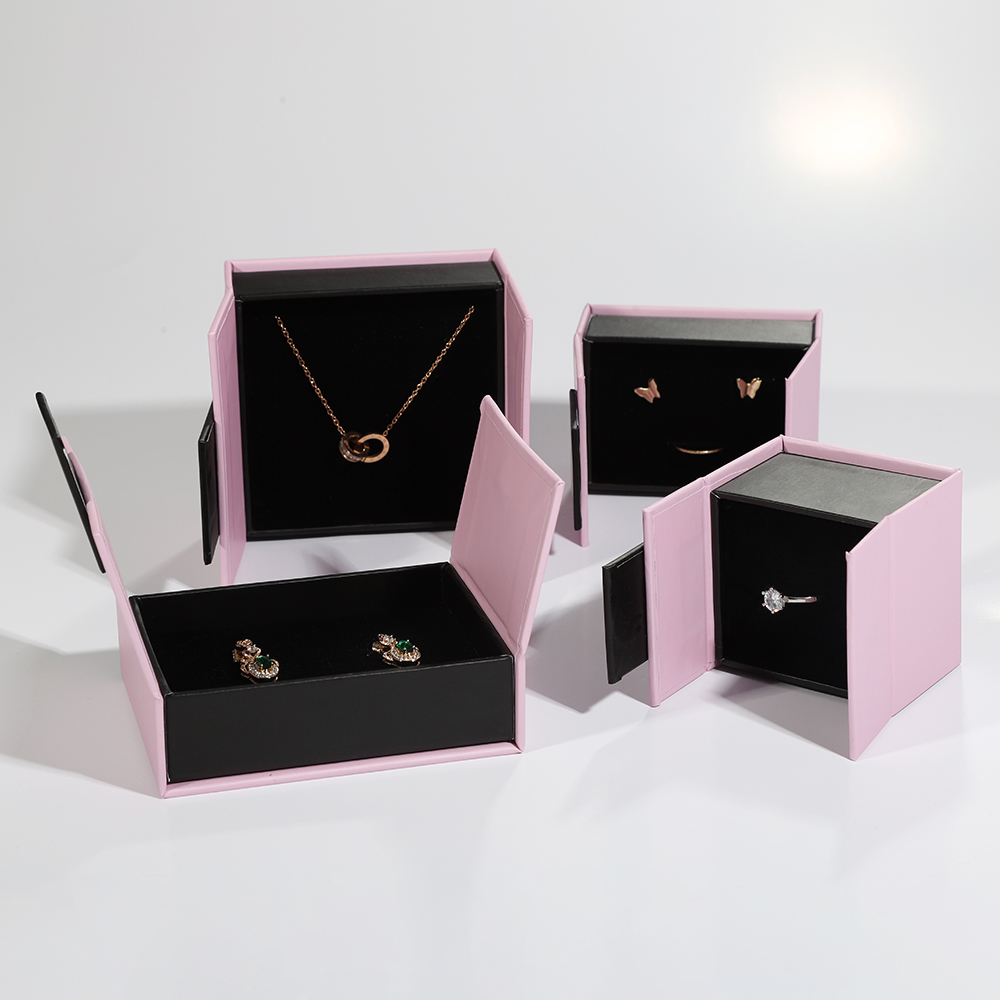
Analyze grid layouts for stud earrings. Small, shallow compartments prevent digging and keep pairs together. Look for specialized earring cards or perforated leather panels. These panels secure posts and backs together securely. Drop earrings and heavy hoops require deeper grid squares to prevent the posts from bending when the lid closes.
Examine the density and firmness of ring rolls. If they are too rigid, thick bands won't fit. If they are too loose, rings will dislodge during movement. Ensure sufficient clearance between the top of the ring rolls and the closed lid. This prevents pressure on high-setting stones like diamond solitaires. A minimum of one inch of vertical clearance above the ring roll is standard for high-profile settings.
Determine your need for removable watch pillows versus flat, elongated compartments for tennis bracelets. Check the depth requirements for rigid bangles. Bangles often prevent standard drawers from closing if the compartments are not properly sized. A rigid cuff bracelet typically requires a drawer depth of at least two and a half inches.
The materials used in your storage solution dictate its protective capabilities. You must balance interior chemical protection with exterior structural integrity. A beautiful exterior means nothing if the interior lining accelerates oxidation.
Prioritize anti-tarnish treated fabrics that absorb hostile gases known to cause tarnishing. Compare velvet, microsuede, and cotton linings. Avoid abrasive synthetic linings entirely. Synthetics can cause micro-abrasions on soft stones like pearls or opals. High-grade microsuede offers the best balance of softness and chemical treatment retention.
The exterior material determines durability, insulation, and warp resistance. Finding the right jewelry box means matching the exterior to your environmental needs. Solid wood provides mass and insulation, while leather offers portability.
Material Type | Durability | Insulation & Protection | Best Use Case |
|---|---|---|---|
Solid Wood (Mahogany, Walnut) | High (Heirloom quality) | Superior insulation against temperature shifts; blocks UV light. | Long-term storage of fine jewelry in static environments. |
Leather / Vegan Leather | Medium to High | Good dust protection; highly portable. | Modern aesthetics and travel-friendly storage. |
Acrylic / Glass | Medium | Zero UV protection; poor temperature insulation. | Displaying costume jewelry away from direct sunlight. |
Paperboard / Cardboard | Low | Zero moisture protection; degrades rapidly. | Gifting and temporary transit only. |
Inspect the hinge mechanisms closely. Quadrant hinges or continuous piano hinges prevent the lid from falling backward or snapping shut unexpectedly. Evaluate the drawer glides. Drawers should feature built-in stoppers to prevent accidental pulling out and spilling of contents. Cheap friction-fit drawers will eventually wear down and stick, causing jarring movements that dislodge delicate pieces.
Select a form factor that aligns with your collection size and physical space constraints. Do not buy a massive armoire if you only own a dozen pieces, and do not try to cram fifty items into a small travel case.
Traditional Tabletop Boxes: Best for static, moderate-sized collections. They offer a centralized, all-in-one storage solution but lack expandability.
Modular and Stackable Trays: The most scalable solution available. Users buy specific tray layouts and stack them vertically as the collection grows.
Jewelry Armoires and Wall-Mounted Cabinets: Designed for extensive collections. Evaluate these based on floor space requirements, full-length mirrors, and heavy-duty locking mechanisms.
Travel Jewelry Cases: Evaluated on compactness and rigid outer shells. Secure snap-closures keep pieces immobilized during transit to prevent crushing.
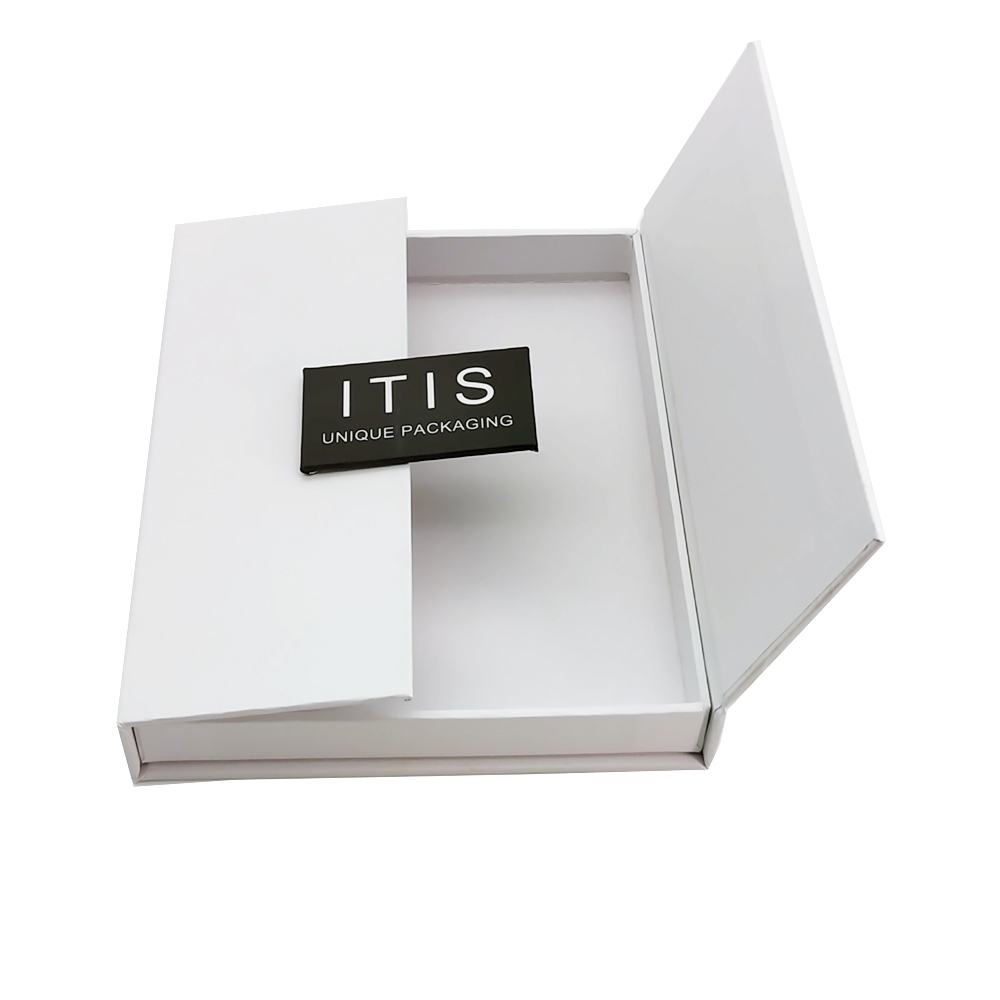
Avoid common pitfalls that compromise jewelry safety. Many buyers make structural mistakes that lead to damaged pieces months down the line.
High-value collections require functional locks. Many decorative boxes feature superficial locks that are easily bypassed. Prioritize robust locking mechanisms if storing expensive pieces outside a safe. Look for solid brass locksets with actual tumbler mechanisms rather than simple latch-and-key designs.
Storing a wooden box in a high-humidity environment like a bathroom causes wood warping. It also accelerates metal tarnish, regardless of the interior lining quality. Keep storage units in climate-controlled rooms. Rapid temperature fluctuations cause metal settings to expand and contract, which can loosen prongs and result in lost stones.
Purchasing a pre-configured box with a 50/50 split of ring rolls and necklace hooks fails if you only own earrings. Always match the box architecture to the actual data gathered during your inventory audit. Customizing the interior layout is the only way to maximize spatial efficiency.
Choosing the right jewelry box is about more than appearance—it is about protecting your jewelry, improving organization, and ensuring long-term preservation. By selecting the appropriate layout, high-quality materials, and storage features based on your collection, you can keep every piece safe, accessible, and beautifully displayed for years to come.
Working with a professional packaging manufacturer also plays an important role in achieving the ideal storage solution. Shenzhen ITIS specializes in custom jewelry boxes and luxury packaging solutions for global jewelry brands, offering premium materials, innovative structural designs, sustainable packaging options, and flexible OEM/ODM manufacturing services. With advanced production capabilities and strict quality control, Shenzhen ITIS helps brands create packaging that combines elegance, durability, and functionality.
Evaluate your jewelry collection before selecting a storage layout.
Choose anti-tarnish interior linings and durable exterior materials for long-term protection.
Consider modular or expandable jewelry boxes if your collection continues to grow.
Select manufacturers that offer customization, premium craftsmanship, and reliable production quality.
Before selecting a jewelry box supplier, evaluate their design expertise, manufacturing capabilities, quality standards, and OEM/ODM experience to ensure premium packaging that protects and enhances your jewelry collection.
A: Solid wood like mahogany or walnut is the best exterior material due to its durability and temperature insulation. For the interior, chemically treated anti-tarnish velvet or microsuede is essential to prevent metal oxidation and protect soft gemstones from micro-abrasions.
A: Utilize storage with vertical suspension. Look for drop-down hooks with adequate spacing and built-in catch-pouches at the bottom. This prevents pendants from swinging, chains from overlapping, and gravity-induced tangling.
A: Yes. High-quality anti-tarnish linings, such as LusterLoc, are treated to absorb hostile gases in the air that cause silver and other metals to oxidize. They can prevent tarnishing for up to 35 years under normal conditions.
A: Women with large collections should opt for modular stackable tray systems, freestanding jewelry armoires, or wall-mounted cabinets. These options provide extensive, specialized compartments and allow for vertical expansion without sacrificing floor or dresser space.
A: Choose wood for static, heirloom-quality storage that provides excellent insulation and UV protection. Choose leather or vegan leather if you need a sleek, modern aesthetic that is lighter and more portable for travel.
A: Always store them separately. Costume jewelry often contains base metals that can react chemically with the precious metals in fine jewelry, accelerating tarnish and degradation. Use separate compartments or entirely different boxes.
A: Prolonged UV exposure fades certain gemstones like amethyst, kunzite, and topaz. Glass or acrylic boxes offer zero UV protection. They should only be used for displaying non-light-sensitive pieces away from direct sunlight.


