


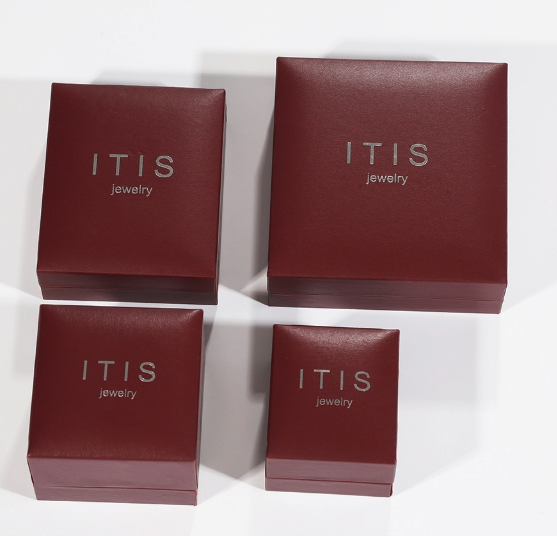
The unboxing moment is the physical climax of a high-ticket jewelry purchase. The packaging must immediately validate the investment before the ring is even seen. Generic or poorly constructed packaging degrades the perceived value of premium engagement and wedding rings. This leads to diminished brand equity and a disjointed customer experience. When a client receives an engagement ring, the initial tactile and visual interaction sets the psychological stage for the reveal. A flimsy hinge or a lightweight shell subconsciously signals compromised quality, regardless of the diamond's actual grade. Designing a custom luxury ring box requires a systematic evaluation of structural materials, exterior finishes, closure mechanisms, and manufacturing scalability. You must align physical presentation with high-end brand positioning. We engineer these containers not just as protective vessels, but as permanent keepsakes that reflect the craftsmanship of the jewelry inside.
Material Selection Dictates Perception: The choice between velvet, full-grain leather, high-density wood, or modern cast resin directly influences the tactile weight and acoustic feedback of the box, establishing immediate authority.
Structural Integrity is Non-Negotiable: Concealed hinges, precise magnetic closures, and high-density interior foam prevent transit damage and ensure a seamless opening experience.
Customization Drives Brand Loyalty: Strategic use of blind embossing, bespoke color matching, and end-user personalization (like single-initial monograms) transforms a functional container into a highly photographed keepsake.
Scalability Requires Trade-Offs: Balancing bespoke artisanal quality with Minimum Order Quantities (MOQs) and unit economics is critical for maintaining profitable margins on high-end jewelry lines.
Table of Contents
Defining the baseline requirements for luxury packaging begins with understanding its multi-faceted role on the retail floor and in the client's home. A premium container must flawlessly protect the asset from mechanical shock, dust, and environmental degradation during transit. Beyond physical protection, it must elevate the perceived value of the enclosed piece. We evaluate success based on four strict criteria:
Protect the physical asset from impact and abrasion during global shipping.
Prevent chemical degradation and tarnishing of precious metals over decades of storage.
Provide a stable, visually appealing display angle that catches overhead retail lighting.
Function as a durable, long-term storage solution for the end consumer without warping or degrading.
If the container degrades, warps, or loses its aesthetic appeal within a few months, it fails its secondary purpose as a permanent home for a generational heirloom. We see this often when manufacturers use low-grade paperboard that absorbs ambient moisture and warps over time.
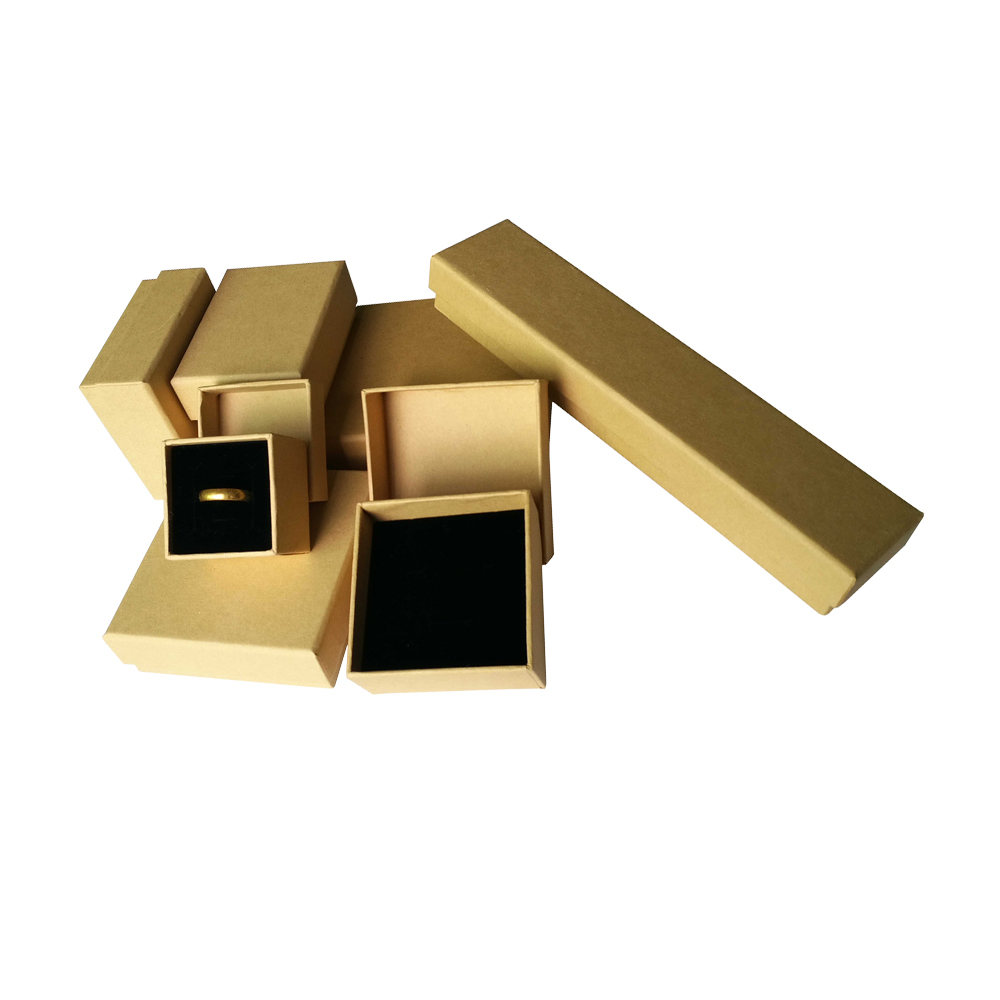
There is a direct correlation between packaging weight, texture, and the consumer's subconscious valuation of the enclosed engagement ring. Heavy, dense materials signal permanence and quality. When a client holds a substantial container, their brain automatically attributes higher worth to the contents. We aim for a target weight of 80 to 120 grams for a standard single-ring container. Anything lighter feels hollow in the hand. A lightweight shell creates cognitive dissonance, making even a flawless two-carat diamond feel less significant. Investing in higher-density substrates and premium tactile finishes directly influences customer satisfaction. It reduces buyer's remorse and reinforces the legitimacy of the purchase.
A true luxury unboxing engages multiple senses simultaneously. The tactile feedback of the exterior material initiates the experience. You feel the soft resistance of deep-pile velvet or the smooth, cool touch of polished hardwood. As the lid is lifted, the sensory requirements shift to mechanics. The resistance of the hinge must be perfectly calibrated. It should feel deliberate and smooth, never loose or jerky. We specify hinge tension to require exactly 0.5 to 0.8 Newton-meters of force to open. Finally, the sound of the closure plays a major role. A deep, muffled thud or a crisp, secure snap provides acoustic reassurance of quality. A hollow plastic click instantly shatters the premium illusion.
A well-designed luxury ring box serves as a prop for wedding day flat-lay photography and ceremony presentation. This extends brand visibility far beyond the initial proposal. Modern consumers document every stage of their engagement journey. A visually striking, photogenic container will feature in professional wedding albums and social media platforms. By engineering a design that photographs beautifully under varied lighting conditions, jewelry brands secure free visual marketing. This continuously reinforces their market positioning long after the initial sale.
Breaking down the anatomy of a high-end ring container requires analyzing its foundational elements. You have the rigid skeleton that provides shape and weight. You have the exterior skin that delivers tactile luxury. You have the interior cushioning that secures and displays the jewelry. Each layer must be engineered to work in harmony. This ensures structural stability while maximizing aesthetic impact.

Solid hardwoods like walnut, mahogany, and oak offer unparalleled heirloom quality. They provide natural weight, unique grain patterns, and exceptional durability. This makes them ideal for ultra-premium collections. We require wood to be kiln-dried to an 8-10% moisture content to prevent warping in humid climates. High-density fiberboard (HDF) serves as a highly scalable alternative for fabric-wrapped designs. HDF offers excellent structural rigidity and consistent dimensional tolerances without the natural variations of solid wood. It is perfect for precision wrapping.
Injection-molded plastics are frequently used in mass production. They require careful engineering to avoid compromising the luxury feel. Plastic cores are only acceptable if they are heavily weighted with internal metal plates and seamlessly wrapped in premium textiles. This masks their synthetic origins. We mandate a minimum wall thickness of 2.5mm for plastic cores to prevent sink marks and flex.
Assess modern alternative substrates for contemporary, transparent luxury aesthetics. Industrial-grade cast resin, heavy-walled polished acrylic, and glass-and-brass geometric frames provide a modern architectural feel. They appeal to consumers seeking non-traditional, highly visual presentation methods.
Substrate Material Comparison
Substrate Material | Weight Profile | Durability | Best Application |
|---|---|---|---|
Solid Hardwood (Walnut/Oak) | Heavy (90-130g) | Generational | Ultra-premium, exposed grain designs |
High-Density Fiberboard (HDF) | Medium-Heavy (70-100g) | High | Fabric or leather-wrapped scalable luxury |
Injection-Molded Plastic (Weighted) | Medium (60-90g) | Moderate | High-volume, complex geometric shapes |
Cast Resin / Acrylic | Very Heavy (100-150g) | Very High | Modern, transparent, or architectural designs |
Assess the historical prestige of velvet jewelry boxes. Focus on pile density and crush resistance. High-quality velvet absorbs light, creating deep, rich color profiles that photograph exceptionally well. The ability to source extensive bespoke color libraries allows brands to match exact pantones. The fabric must possess high crush resistance to prevent permanent finger marks or pressure indentations during transit and storage. We test velvet using the Martindale rub test to ensure it withstands repeated handling. Silk offers a smoother, more lustrous finish. It requires careful handling to prevent snagging and fraying at the seams.
Compare full-grain leather for ultra-premium bespoke boxes against high-grade polyurethane (PU) leatherette. Full-grain leather develops a unique patina over time. It offers a distinct olfactory experience and unmatched durability. Modern PU leatherette has advanced significantly. It offers consistent grain patterns, excellent water resistance, and flawless color matching. High-grade PU provides a scalable, ethical alternative. It maintains a premium tactile response without the natural inconsistencies of animal hides.
Analyze foam density requirements to hold heavy platinum or large-carat rings securely. You cannot stretch the slit over time. If the interior foam is too soft, a top-heavy ring will sag or tilt. This ruins the presentation angle. If the foam is too dense, inserting the ring becomes difficult. The friction may damage delicate pavé settings. We typically specify a high-resilience EVA foam with a Shore C hardness of 35-40. Evaluate interior lining materials meticulously. Micro-suede, plush velvet, and Alcantara are industry standards for scratch-free protection. Alcantara offers a highly durable, suede-like texture. It resists pilling and maintains a pristine appearance even after years of use.
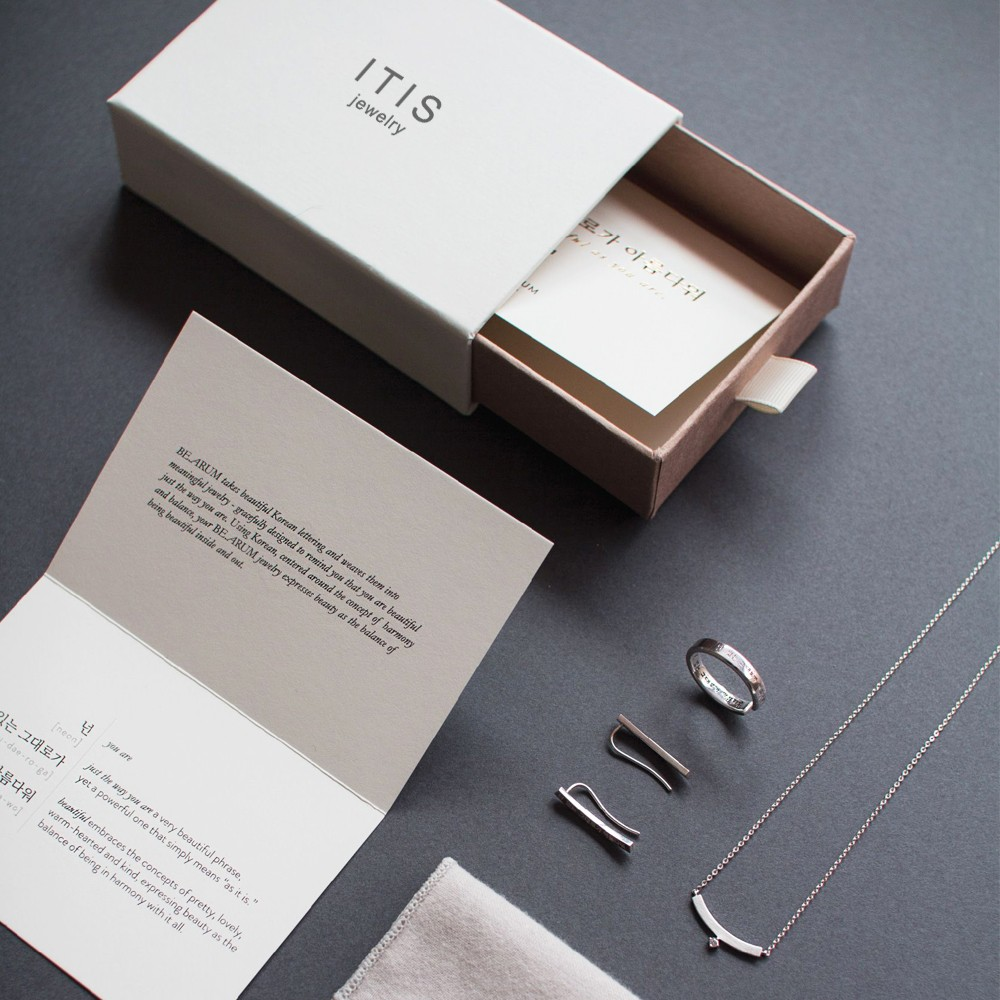
Mechanical components dictate the longevity and user experience of the container. A beautiful exterior is instantly negated by a failing hinge or a misaligned clasp. Engineering the hardware requires balancing aesthetic concealment with mechanical robustness. The container must operate flawlessly through thousands of open-and-close cycles.
Compare concealed barrel hinges, spring-loaded hinges, and piano hinges based on the design architecture.
Concealed barrel hinges offer the cleanest aesthetic. They remain entirely invisible when the lid is closed, preserving the exterior lines.
Spring-loaded hinges provide a dramatic, automated opening experience. They snap open at a specific angle and hold the lid firmly in place.
Piano hinges distribute weight evenly across the entire back edge. They offer maximum durability for heavier wooden or metal lids.
Discuss the snap acoustic feedback and tension requirements for a premium feel. The tension must allow for smooth, deliberate movement. It culminates in a satisfying, resonant sound that communicates precision engineering.
Evaluate rare-earth magnetic closures for seamless aesthetics versus traditional push-button brass clasps. Neodymium magnets, specifically N52 grade, can be embedded entirely within the substrate. This allows for a minimalist, uninterrupted exterior profile. They provide a strong, reliable pull that guides the lid into perfect alignment. Traditional brass clasps offer a mechanical, tactile engagement that appeals to heritage aesthetics. Analyze the risk of mechanical failure in cheap clasps. They can jam, tarnish, or snap off. Specifying high-cycle hardware and conducting rigorous stress testing is mandatory to prevent these failures.
Integrate brand identity without cheapening the luxury aesthetic. Over-branding can quickly downgrade a premium container into a promotional item. Subtle, refined logo placements maintain elegance while ensuring brand recognition. A small insignia on the interior lid or a blind deboss on the base works best. The goal is to make the container feel like a personal artifact rather than a corporate billboard.
Compare hot foil stamping versus blind embossing and debossing. Hot foil stamping presses metallic pigment into the material. It creates a high-contrast, reflective logo. Blind embossing creates a raised or depressed impression without ink. It offers a highly sophisticated, tactile branding method. Detail the technical constraints of stamping on deep-pile velvet versus smooth leatherette. Velvet's deep pile can crush and distort under a heated die. This makes fine-line logos illegible. Smooth PU leatherette or full-grain leather accepts crisp, highly detailed stamps with ease. Differentiate between brand logos and end-user personalization capabilities. Engineering the design to accept single-initial monograms or custom metal lid inserts allows the buyer to personalize the piece. This significantly increases its emotional value and likelihood of being retained as a keepsake.
Incorporating custom-cast brass or zinc-alloy plaques, corner protectors, and bespoke push-buttons adds significant weight and visual interest. Custom hardware requires specific tooling and molds. It differentiates the product from off-the-shelf alternatives. Ensure all metal accents are treated with anti-tarnish coatings. They must maintain their luster over decades of exposure to atmospheric moisture and skin oils.
Selecting exterior and interior color palettes must enhance the brilliance of diamonds and precious metals. Deep blues, emerald greens, and stark blacks create high contrast. They make colorless diamonds appear brighter and more luminous. Warm tones like blush or terracotta complement rose gold and champagne diamonds. Navigate the logistical challenge of offering extensive color libraries. Managing 50+ bespoke shades requires massive inventory space and complex supply chain logistics. Curating core collections streamlines production while satisfying the vast majority of consumer preferences. Focus on wedding-ready white, classic jewel tones, and neutral greys.
Navigating the commercial realities of producing a luxury container at scale requires a deep understanding of manufacturing limitations and supply chain dynamics. Brands must balance the desire for uncompromising quality with the practicalities of production timelines, freight logistics, and unit economics.
Manufacturing Approach Comparison
Manufacturing Approach | Ideal Use Case | Pros | Cons |
|---|---|---|---|
Bespoke Artisanal | Limited-run, ultra-high-end heirloom pieces | Unmatched craftsmanship, unique materials, zero tooling limitations | Extremely low scalability, high unit cost, inconsistent timelines |
High-Volume Overseas | Scalable luxury collections, standardized sizing | Consistent tolerances, lower unit cost, advanced material access | High MOQs, longer freight times, requires rigorous QC oversight |
Hybrid Assembly | Mid-tier luxury with personalized elements | Balances cost with customization, flexible inventory | Complex supply chain management, potential assembly bottlenecks |
Compare partnering with local craftsmen for limited-run heirloom boxes versus overseas packaging manufacturers for scalable production. Local artisans provide exceptional flexibility. They allow for exotic wood sourcing, hand-stitched leather, and zero minimums. This approach suits bespoke jewelers producing low volumes of ultra-high-value rings. Overseas manufacturers possess the infrastructure to mass-produce precision-engineered HDF or injection-molded cores. They wrap these in custom-dyed fabrics, ensuring strict uniformity across thousands of units.
Analyze how custom molds, dyed-to-match fabrics, and custom hardware impact MOQs. Standard off-the-shelf components might require an MOQ of 100 units. Custom-tooled hardware or bespoke pantone-dyed velvet typically pushes MOQs to 500–2,000+ units. Calculate the acceptable percentage of the total product margin to allocate to packaging. High-end jewelers must ensure the packaging investment elevates the product without eroding overall profitability. Carefully balance the unit cost against the perceived value added to the final sale.
Factoring in prototyping, tooling, mass production, and freight times is critical for inventory management. A fully custom design often requires 12 to 16 weeks end-to-end. Prototyping and mold creation can take 4 weeks. Mass production takes another 4 to 6 weeks. Ocean freight adds an additional 4 to 6 weeks. Brands must forecast demand accurately to avoid stockouts. A stockout can halt jewelry deliveries entirely.

Identifying common failures in jewelry packaging procurement and implementing strict preventative measures is essential. A single structural flaw or chemical reaction can ruin the enclosed jewelry and severely damage brand reputation. Establishing comprehensive Quality Control (QC) protocols at the factory level prevents defective batches from reaching the consumer.
The critical importance of specifying acid-free, sulfur-free papers, glues, and fabrics cannot be overstated. Standard industrial adhesives and cheap paperboards often contain sulfur compounds. When trapped in a closed environment, these compounds off-gas and react with silver and low-karat gold alloys. This causes rapid, severe tarnishing. Brands must demand chemical composition certificates from suppliers. Conduct accelerated aging tests to ensure all interior materials are completely inert and safe for prolonged jewelry storage.
Mitigating risks of glue separation in high-humidity transit is a major QC focus. Containers shipped via ocean freight experience extreme temperature and humidity fluctuations. Inferior adhesives will crystallize or melt. This causes velvet or leatherette to bubble, peel, or detach from the core substrate. Uncured industrial glues emit strong chemical odors upon unboxing. This instantly destroys the luxury experience. Specify high-grade, low-VOC adhesives. Mandate adequate curing time on the factory floor before the units are sealed in polybags for shipping.
Establishing strict QC tolerances for lid alignment and closure gaps during the manufacturing inspection phase prevents mechanical rejection. A lid that sits even one millimeter askew looks defective. Inspectors must verify that hinges are seated perfectly straight. Screws must be torqued correctly without stripping the substrate. The closure gap must be uniform around the entire perimeter. Any deviation in these tolerances requires immediate recalibration of the assembly jigs. We use digital calipers on the assembly line to ensure gaps do not exceed 0.2mm variance.
Request standard samples from three different manufacturers to physically test hinge tension, material density, and acoustic feedback during closure.
Commission a custom prototype utilizing your exact ring dimensions to verify that the interior foam density supports your heaviest settings without sagging.
Conduct an independent tarnish test by sealing a polished silver blank inside the prototype for 30 days to verify the absence of sulfur-based adhesives.
Draft a comprehensive quality control checklist specifying acceptable millimeter tolerances for lid alignment and closure gaps before signing the mass production contract.
For jewelry brands seeking a more reliable path from packaging concept to mass production, Shenzhen ITIS Packaging Products Co., Ltd. specializes in custom personalized jewelry packaging and provides one-stop support from design and production through delivery. Backed by a professional technical team and dedicated manufacturing capabilities, the company can support custom ring box projects involving branding, material selection, sampling, and scalable production.
A: Standard dimensions typically range from 50mm to 65mm in width, depth, and height. This size comfortably accommodates most single-stone engagement rings up to 3 carats while remaining compact enough to fit discreetly in a jacket pocket during a proposal.
A: Velvet is a woven fabric with a dense, soft pile that offers superior durability and a rich, luxurious appearance. Flocking involves gluing tiny synthetic fibers directly onto a plastic or paper substrate. Flocking feels cheaper, wears out quickly, and is generally avoided in high-end packaging.
A: You must explicitly specify acid-free and sulfur-free materials for all interior components, including fabrics, paperboards, and adhesives. Request chemical safety certificates from your manufacturer and conduct an independent tarnish test using a silver blank before approving mass production.
A: For fully custom designs requiring bespoke molds, custom-dyed fabrics, or unique hardware, MOQs typically range from 500 to 2,000 units. Semi-custom options, which utilize existing molds but allow for custom logo stamping, may have lower MOQs of 100 to 300 units.
A: Neither is inherently better; it depends on the desired aesthetic. Magnetic closures offer a sleek, modern, and seamless look with zero visible hardware. Traditional hinges provide a classic, mechanical feel and a satisfying acoustic snap that many consumers associate with heritage luxury.
A: Choose exterior materials that absorb light rather than reflect it, such as deep-pile velvet or matte leatherette. Select high-contrast colors like emerald, navy, or stark black to make diamonds pop. Ensure the lid stays open independently at a 90 to 110-degree angle for optimal camera framing.


