


A customer eagerly opens their new jewelry, expecting a pristine presentation, but instead finds a knotted mess. This physical reality instantly ruins the unboxing experience, drives up return rates, and damages brand reputation. Shipping fine jewelry involves harsh conditions. Transit vibrations, drop impacts, and chain fluidity cause delicate links to knot when placed in unoptimized packaging. Solving this requires shifting focus away from consumer-level DIY hacks—like threading chains through drinking straws—and moving toward professional, scalable packaging architecture. Purpose-built inserts and structural box design are mandatory to eliminate movement. By engineering the interior space, you can immobilize chains effectively and protect the product. We will explore the mechanics of chain fluidity during shipping and detail how professional structural design solves this exact issue, ensuring every piece arrives in perfect condition without requiring tweezers to unpack.
Insert Architecture is Critical: Preventing tangles relies entirely on immobilizing the chain using precision-cut inserts, routing channels, and secure anchor points.
Material Selection Impacts Security: The choice between EVA foam, flocked sponge, and molded pulp dictates how well the chain is gripped during transit.
Fulfillment Efficiency Matters: Highly complex tangle-free designs must be balanced against the labor time required for fulfillment teams to pack each unit.
Customization Drives ROI: Investing in custom necklace box packaging reduces damage-related returns, elevates perceived brand value, and provides customers with a long-term travel storage solution.
Table of Contents
Successful jewelry packaging must meet strict physical criteria. It must guarantee zero chain movement during transit, maintain perfect presentation integrity upon opening, and allow easy extraction by the end-user. If a chain requires tweezers to unpack, the design has failed. Standard packaging rarely meets these benchmarks. We must understand the exact physical forces that cause chains to knot to engineer better solutions.
Fine chains behave like fluid under constant motion. Snake chains, cable chains, and box chains possess highly flexible link structures that react poorly to kinetic energy. Shipping networks subject packages to continuous low-frequency vibrations. When a package travels on a truck, moves across a sorting facility conveyor belt, or sits in an airplane cargo hold, that kinetic energy transfers directly into the jewelry box. Loose chain links react to this vibration by moving independently. They slide over one another and interweave rapidly.
Standard cotton-filled boxes fail completely to stop this process. The synthetic cotton batting provides basic cushioning against blunt impact, but it offers zero structural grip. The chain rests loosely on top of the cotton. As the box vibrates, the chain floats freely across the surface. The links weave together into a tight knot. The longer the transit time, the worse the tangling becomes. Without physical barriers to restrict movement, chain fluidity guarantees a knotted arrival.
Shipping jewelry in inadequate boxes carries severe business risks that go far beyond a frustrated customer. The fallout impacts multiple departments and drains resources.
Immediate Replacement Costs: Fine chains often kink or break when customers attempt to untangle them forcefully. You must replace the product entirely.
Return Shipping Fees: You absorb the cost of the return label and the outbound shipping for the replacement item.
Labor Drain: Returned inventory requires manual labor to untangle, inspect, and repackage. This pulls warehouse staff away from fulfilling new orders.
Reputational Damage: Modern consumers document their unboxing experiences online. A knotted necklace leads to negative social media reviews and destroys the luxury illusion.
Upgrading your packaging architecture mitigates these risks entirely. It protects the physical product and preserves the intended brand experience.
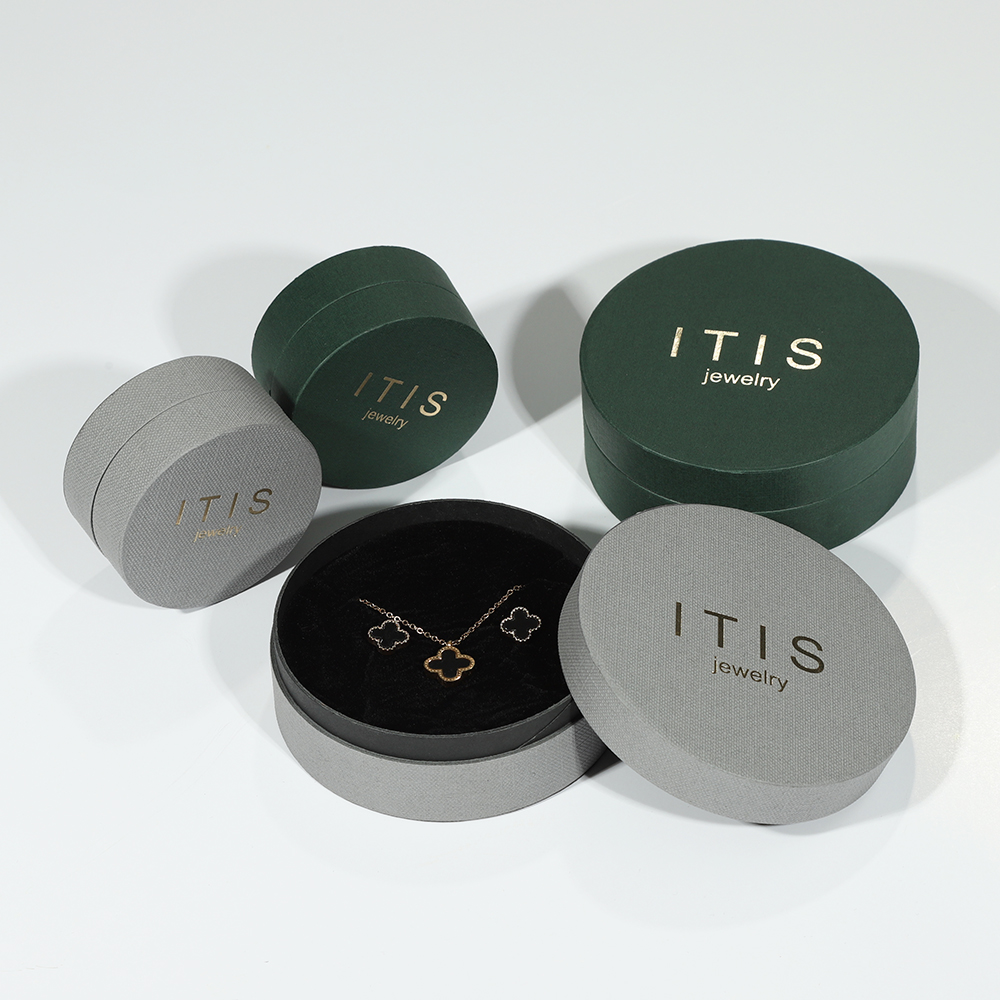
Securing a necklace requires specific structural components engineered into the box interior. You cannot simply lay the jewelry flat and hope for the best. You must engineer the interior space to restrict all movement. We break down the necessary solutions into distinct structural categories.
A proper insert design keeps necklaces fixed during shipping and handling. Custom-cut slots can hold the chain above the pendant, preventing movement and reducing tangling. Additional features such as elastic bands or snap holders provide extra support, keeping the jewelry in the correct position even during impacts.
Excess chain length is one of the main causes of tangling. Hidden storage designs guide the extra chain behind the display pad and keep it separated from the visible jewelry. Backing cards, built-in pouches, or hidden compartments prevent loose chains from moving while maintaining a clean and premium presentation.
Clasps can easily create knots because their heavier structure moves through loose chains during transportation. A dedicated clasp slot keeps the clasp fixed and separated from the chain. This simple design prevents the clasp from moving around and reduces the risk of tangled necklaces.
Even a well-designed insert cannot protect jewelry if the box opens during shipping. Strong closures, such as magnetic snaps, locking tabs, or secure rigid box lids, help maintain the internal structure. A reliable closure system keeps the necklace fixed in place and protects the product throughout transportation.
Material selection dictates performance on the fulfillment line and in transit. Different materials offer varying levels of grip, protection, and aesthetic appeal. We must evaluate how these materials perform in securing fine jewelry. We compare structural outer materials and internal insert materials to determine the best fit for specific jewelry types.
Material Type | Grip Security | Aesthetic Appeal | Tooling/Setup Cost | Best Use Case |
|---|---|---|---|---|
EVA Foam (Flocked) | Very High | Premium Velvet Finish | Moderate | Heavy pendants, complex routing paths |
High-Density Sponge | High | Standard Matte | Low | Varying chain thicknesses, lightweight pieces |
Flocked Plastic Blister | Maximum | Premium Molded | High | High-volume runs, specific pendant shapes |
Molded Pulp | Moderate | Eco-Friendly Raw | High | Sustainable brand initiatives, minimalist designs |
Corrugated Cardboard | Low | Utilitarian | Low | Budget-conscious shipping, requires secondary ties |

The outer shell protects the internal architecture. Rigid setup boxes offer superior structural integrity. They resist crushing under heavy loads in the cargo hold. If a box crushes, the internal insert bends. A bent insert releases the chain from its precision slits, rendering the internal engineering useless. Rigid boxes prevent this deformation entirely.
Folding cartons offer a lightweight alternative and are highly cost-effective for shipping. However, they lack the crush resistance of rigid board. If you use folding cartons, you must reinforce the internal walls. The outer shell must protect the insert's geometry at all costs, or the chain will dislodge.
EVA foam provides excellent density. It holds sharp, precise routing channels without tearing or stretching out of shape. Standard inserts require at least 15mm of depth to allow for proper routing channels without bottoming out against the base of the box. It grips fine chains tightly. Raw EVA foam looks industrial, so it requires a flocked velvet coating for a premium retail feel. It is highly durable and does not degrade over time.
High-density sponge offers great flexibility. It compresses easily to accommodate varying chain thicknesses. A single sponge insert can hold a delicate cable chain or a thicker rope chain without requiring different die cuts. However, sponge can compress permanently over time and lacks the rigid, unyielding grip of EVA foam.
Flocked plastic blisters offer the highest security available. Manufacturers mold the plastic to the exact shape of the jewelry. The chain snaps into dedicated channels and physically cannot move. This method requires custom steel molds and demands high minimum order quantities, making it suitable only for high-volume production runs.
Brands face immense pressure to adopt eco-friendly materials. Replacing secure plastic or foam inserts with sustainable options presents significant engineering challenges. Molded pulp and corrugated cardboard lack the natural friction and grip of foam. Fine chains easily slip out of cardboard slits during vibration.
Designing sustainable inserts requires tighter engineering. You must cut narrower routing channels. You might need to incorporate cotton ribbons to tie the chain down physically. Achieving zero movement with eco-friendly materials is possible, but it requires extensive prototyping. You must balance sustainability goals with the absolute need for chain immobilization.
Adopting complex packaging introduces operational challenges on the warehouse floor. A highly secure box is useless if it takes ten minutes to pack. We must address the realities of fulfillment. Design choices impact labor costs and warehouse efficiency directly.
Packaging design should balance product protection and packing speed. Complex inserts may reduce tangling but can increase assembly time and labor costs. A good design should include easy-to-use chain slots, simple fixing methods, and smooth hidden compartments. Testing the packing process during the sample stage helps ensure the packaging improves protection without slowing down fulfillment.
Different necklace lengths require different packaging designs. Short chokers and long pendant chains have different space requirements, so one standard box may not provide the best protection. Using modular inserts or different box sizes helps control chain movement, prevents damage, and keeps the jewelry properly positioned during shipping.
Multiple necklaces need separate storage areas to avoid tangling during transportation. A well-designed box should use individual slots, separate routing channels, and hidden compartments for each chain. Keeping each necklace physically separated prevents chains from mixing together and improves the unboxing experience.
Before mass production, custom necklace box packaging should be tested under real shipping conditions. Use the most delicate chains for prototype testing, then perform drop and vibration tests to check whether the inserts, clasps, and chains remain secure. If movement or tangling occurs, the packaging design should be adjusted before production.
Consumers invent clever ways to travel with jewelry. Brands cannot rely on these methods for retail fulfillment. We must contrast temporary fixes with permanent brand solutions. Retail packaging demands authority, elegance, and structural integrity.
Simple solutions like straws, small plastic bags, or velvet pouches can help consumers prevent necklace tangling during personal travel. However, they are not suitable for retail packaging because they reduce the premium unboxing experience and provide limited protection. Professional jewelry brands need a well-designed necklace packaging box with proper inserts and structural support to protect the product and maintain brand value.
Custom necklace boxes are not only a packaging expense but also a way to reduce product damage and improve customer experience. Well-designed inserts help prevent returns caused by tangled or damaged jewelry, while premium rigid boxes create a stronger brand impression. A high-quality box can also be reused as a jewelry storage case, extending brand visibility after purchase.
Test EVA foam and sponge inserts to check holding strength.
Use thin chains and layered necklace sets to identify design problems.
Perform drop and vibration tests to simulate real shipping conditions.
Check the packing process to ensure the design does not increase labor time.
A: Flocked EVA foam is generally the best material. It offers high density, allowing for precise, sharp routing channels that grip fine chains tightly. The flocking provides a premium velvet finish suitable for retail, while the rigid foam core prevents the slits from tearing or stretching over time.
A: You must use a multi-slit insert that provides physical separation for each piece. Route each chain through its own dedicated channel. Store the excess length of each chain in individual, separate hidden compartments behind the display pad. They must never touch each other.
A: It depends on the material. Custom die-cut EVA foam or sponge inserts often have manageable MOQs, sometimes as low as 500 to 1,000 units. However, custom-molded flocked plastic blisters require expensive steel tooling, typically demanding MOQs of 5,000 units or more to be cost-effective.
A: Pack your thinnest, most tangle-prone chain into the prototype box. Conduct standard drop tests from waist height onto concrete. Then, place the box in a larger mailer and simulate transit vibration by shaking it vigorously for several minutes. If the chain dislodges, redesign the insert.
A: They can be, but they require tighter engineering. Molded pulp and corrugated cardboard lack the natural friction and grip of foam. To achieve the same security, you must design narrower routing slits or incorporate secondary securing methods, like eco-friendly cotton ties, to pin the chain down.
A: Standard synthetic cotton batting provides cushioning but zero structural grip. Fine chains act like fluid under transit vibration. Because the cotton does not hold the links in place, the vibration forces the loose chain to float, slide, and rapidly interweave into tight knots.
A: Yes. A rigid setup box with a secure magnetic closure and a tightly engineered foam insert provides excellent travel protection. Customers frequently keep and reuse high-quality packaging to store their jewelry safely in luggage, which extends your brand's visibility long after the initial purchase.


