


The unboxing moment represents the only physical marketing channel that guarantees a 100% open rate. It serves as the critical bridge between digital expectation and physical reality. When high-ticket items arrive in generic or poorly engineered containers, the perceived brand value immediately degrades. This disconnect increases buyer remorse and eliminates any potential for organic social sharing. Customers expect the exterior presentation to match the craftsmanship of the piece inside.
To engineer a premium unboxing experience, brands must move beyond basic aesthetics. Implementing a structured, multi-layered strategy requires balancing tactile luxury, structural integrity, and unit economics. Effective luxury jewelry packaging protects the product while reinforcing the brand narrative. This guide breaks down the psychology of unboxing, material selection criteria, and the exact framework needed to design packaging that drives customer retention and elevates brand perception.
Layered Presentation: A true luxury experience requires a sequential reveal—moving from discreet, tamper-evident outer protection to highly branded, tactile inner layers.
Material Science Matters: Selecting the right materials (e.g., velvet, suede, FSC-certified paper) must be balanced against anti-tarnish chemical requirements and dimensional shipping weights.
Narrative and Utility Extension: Premium packaging does not end at the unboxing; it must serve as an heirloom keepsake, a retail display, and an extension of the jewel's design story.
Strategic Budgeting: Allocating a targeted $3–$5+ per-order budget for packaging can yield measurable ROI through reduced return rates, higher customer lifetime value (CLV), and user-generated content (UGC).
Vendor Scalability: Successful implementation requires vetting suppliers based on Minimum Order Quantities (MOQs), custom tooling capabilities, and strict quality control tolerances.
Table of Contents
Physical weight, texture, and temperature subconsciously signal product quality before the customer even sees the jewelry. Heavy, dense materials communicate permanence and value. When a customer lifts a rigid presentation box, the substantial feel justifies the premium paid for the item inside. Textured papers or soft fabrics provide immediate tactile feedback that generic cardboard cannot replicate. These sensory inputs set the stage for the final product reveal.
Pacing the reveal relies on engineered friction. You do not want the customer to simply rip open a flap and dump the contents. Using tightly fitted telescopic lids, custom ribbons, and magnetic closures forces the user to slow down. This deliberate pacing builds anticipation. The slight vacuum resistance of a perfectly fitted two-piece box creates a moment of suspense that enhances the emotional impact of seeing the jewelry for the first time.
The package acts as a narrative vehicle. Its design, texture, and opening mechanism should mirror the specific design era or craftsmanship philosophy of the jewelry itself. A minimalist, modern ring demands clean lines and matte finishes. A vintage-inspired heirloom piece pairs better with rich velvets and ornate embossed detailing. The exterior sets the context for how the interior piece should be interpreted.
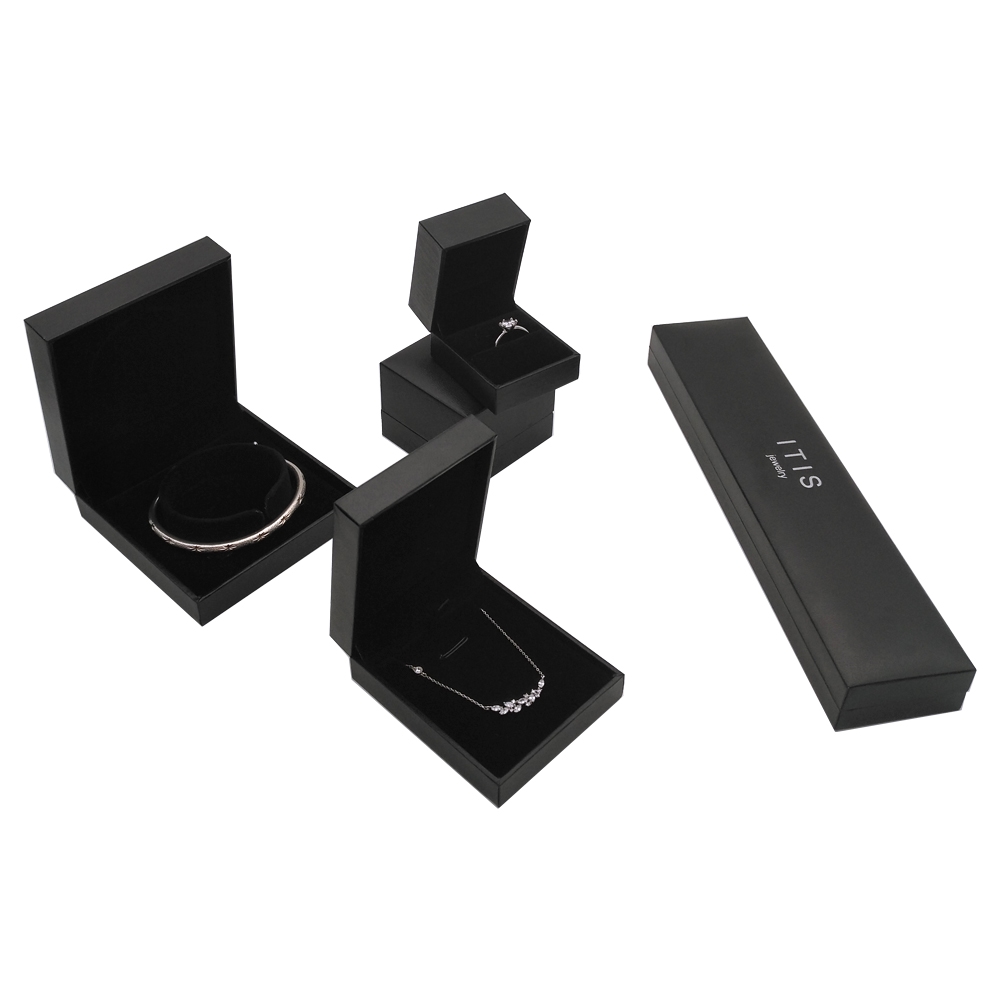
Structural protection forms the absolute baseline requirement. Packaging must survive the brutal realities of global transit without structural failure or internal product displacement. A crushed corner or a tangled necklace instantly destroys the premium illusion. The exterior must absorb impact, while the interior must immobilize the product entirely.
Brand alignment dictates that packaging serves as a physical manifestation of visual identity. Color accuracy across different substrates, crisp typography, and consistent foil stamping are non-negotiable. If your brand utilizes a specific Pantone shade online, the paper wrapping on your rigid box must match it perfectly under various lighting conditions.
High-end containers must adapt to multiple use cases. They act as striking retail showcases under bright boutique lights while doubling as elegant heirloom storage cases in a customer's home. A well-engineered box remains on a dresser for years, serving as a daily visual reminder of the brand. This dual utility extends the lifecycle of the packaging far beyond the initial purchase.
Visual triggers prompt customers to film and share their unboxing experience on social media. High-contrast interiors, personalized notes, and unique opening mechanisms generate organic user-generated content. When the packaging looks impressive on camera, customers naturally want to broadcast their purchase to their network.
The exterior mailer must remain discreet. Unbranded or subtly branded outer packaging deters theft during transit. Broadcasting high-value contents through flashy exterior logos invites interception at sorting facilities or on doorsteps. The luxury experience begins only after the outer seal is broken.
Tamper-evident engineering ensures the product arrives exactly as it left the facility. Reinforced water-activated tape bonds directly to the corrugated fibers, making it impossible to peel back without leaving obvious damage. Weather-resistant exterior materials protect the inner presentation box from moisture and humidity during the final mile of delivery.
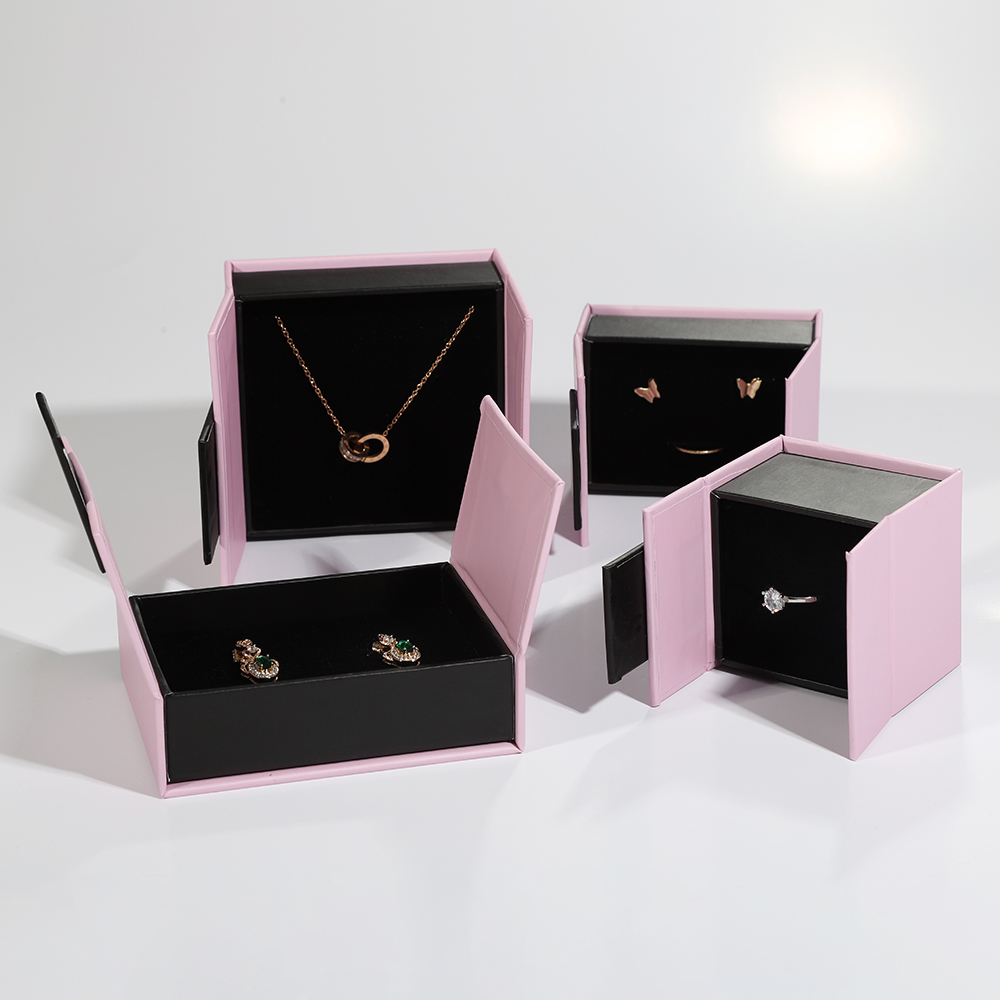
Structural formats dictate the primary interaction. Magnetic closure boxes offer a seamless, hinged opening experience that works exceptionally well for flat-lay presentations like necklaces. Two-piece telescopic boxes provide the classic, vertical lift associated with high-end rings and watches. The choice depends entirely on the dimensions of the jewelry and the desired reveal angle.
Box Style | Best Used For | Structural Advantage | Cost Profile |
|---|---|---|---|
Two-Piece Telescopic | Rings, Watches, Stud Earrings | Creates vacuum friction for a slow, dramatic reveal. | Moderate to High |
Magnetic Clamshell | Necklaces, Bracelets, Pendants | Provides a wide, flat display area with a satisfying snap closure. | High |
Drawer / Matchbox | Charms, Small Accessories | Allows for ribbon-pull mechanisms and stackable storage. | Moderate |
Balancing minimalist structure against complex engineering requires strategic decision-making. Thoughtful simplicity—clean, single-piece structural lines—often communicates modern luxury better than highly complex, multi-tiered kinetic assemblies. Over-engineering can lead to higher failure rates and increased assembly times. Focus on executing simple structures flawlessly.
Manufacturing tolerances separate average boxes from exceptional ones. Edge sharpness, corner durability, and seamless paper wrapping quality define the tactile experience. Glue lines must be invisible. The paper tension around the rigid board must be tight enough to prevent bubbling in humid climates but flexible enough to avoid tearing at the hinges.
Precise interior compartments prevent tangling, shifting, and scratching during transit. Custom routing ensures that a delicate chain remains pinned in place while the pendant sits perfectly centered. Generic foam slots often fail to secure heavy pendants, leading to damage. The cavity must be engineered to the exact dimensions of the specific piece.
Insert materials carry different structural and aesthetic trade-offs. High-density foam provides excellent shock absorption but can look cheap if left uncovered. Molded pulp offers sustainable rigidity but lacks a premium finish. Fabric-wrapped EVA (Ethylene-Vinyl Acetate) strikes the best balance, offering dense structural support hidden beneath a layer of luxurious textile.
Classic luxury materials provide a soft, elegant resting surface that contrasts beautifully with hard jewelry metals. Velvet absorbs light, making diamonds and polished gold pop. Suede offers a modern, matte texture. Premium leatherette provides a wipeable, durable surface ideal for watches and heavy bracelets. The resting surface must protect the metal while enhancing its visual appeal.
Custom tissue paper, specific ribbon thicknesses, and embossed branded stickers elevate the tactile experience. The sound of crisp tissue paper tearing or the feel of a heavy-weight grosgrain ribbon untying adds sensory layers. These branded accents require minimal investment but significantly upgrade the perceived value of the unboxing event.
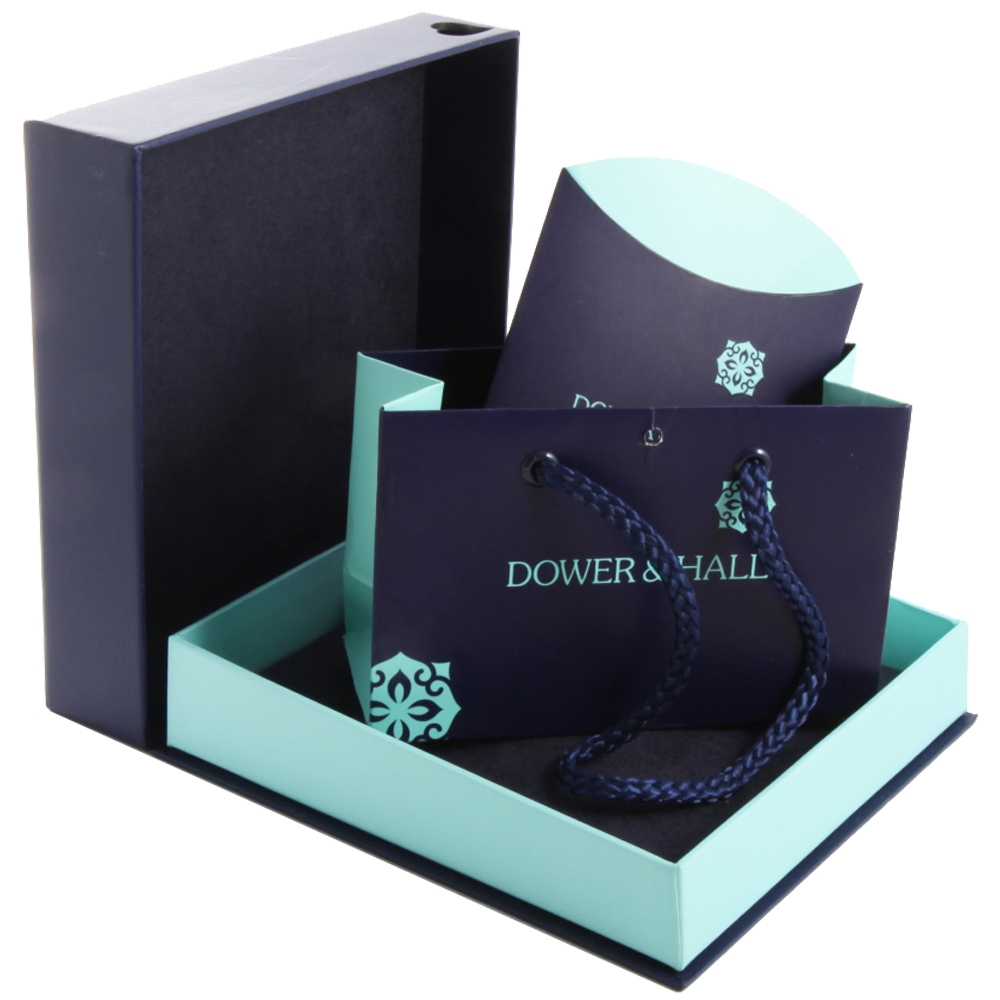
Trust indicators reassure the buyer of their investment. Authenticity certificates, detailed care instructions, and warranty cards should be printed on heavy cardstock. Placing these documents in a dedicated vellum envelope or a custom pocket within the lid keeps the presentation tidy while delivering necessary information.
Handwritten notes, personalized wax seals, or bespoke printed inserts drive brand loyalty and repeat purchases. Acknowledging the specific customer or the occasion transforms a standard transaction into a personal relationship. This personal touch remains one of the highest ROI elements in the entire packaging suite.
Integrating functional additions directly into the packaging cavity surprises and delights the customer. Branded microfiber polishing cloths, anti-tarnish storage strips, or miniature travel pouches add immediate utility. These items encourage the customer to maintain the jewelry properly while keeping the brand logo in their daily rotation.
The market is actively transitioning toward eco-luxury. Brands are replacing virgin plastics and heavy metal hinges with FSC-certified papers, recycled plastics, and biodegradable fabrics. Customers increasingly expect environmental responsibility to accompany high-end purchases. Sourcing sustainable materials is no longer optional; it is a baseline expectation for modern consumers.
Maintaining the traditional heavy luxury feel while utilizing lighter, sustainable materials presents a conceptual trade-off. Recycled boards can sometimes feel less rigid than their virgin counterparts. Brands must compensate by utilizing clever structural engineering, such as double-walled construction or thicker paper wraps, to achieve the necessary density without relying on environmentally harmful substrates.
Sourcing sulfur-free and acid-free packaging materials is an absolute necessity. Silver and low-karat gold react violently to environmental chemicals. Standard industrial papers and fabrics often contain trace amounts of sulfur from the manufacturing process. When sealed inside a box, these chemicals create a micro-environment that accelerates tarnishing.
Cheap glues and improper fabrics pose severe oxidation risks. Off-gassing from low-grade adhesives can turn a brilliant silver ring black within weeks of warehouse storage. Brands must demand chemical composition certificates from their vendors. Testing materials in a humidity chamber before mass production prevents catastrophic inventory loss.
Unit economics dictate how resources are allocated across the five layers of packaging. A strategic budget must cover the discreet mailer, the rigid box, custom inserts, soft touches, and printed collateral. Overspending on a heavy wooden box might leave nothing for the custom routing needed to actually protect the jewelry. Balance the spend to ensure no single layer feels neglected.
Measuring packaging success requires looking beyond the initial unit cost. Effective packaging yields measurable ROI through reduced transit damage, lower return rates, and increased customer lifetime value. When a customer receives an undamaged product in a beautiful presentation, they are significantly more likely to purchase again. The packaging pays for itself through retention.
Bespoke molds and interior compartment routing require upfront investment. Custom tooling costs can be high, but they are necessary to achieve a perfect fit. Standardized inserts rarely hold unique jewelry shapes securely. Brands must calculate the amortization of these tooling costs over their projected production run to understand the true per-unit expense.
Scaling strategies differ based on operational size. Emerging brands often rely on Print-on-Demand (POD) friendly sourcing or domestic suppliers with lower MOQs to maintain cash flow. Established operations leverage high-volume offshore manufacturing to drive down unit costs. Transitioning between these models requires careful timeline management to avoid stockouts.
Overly bulky luxury packaging destroys profit margins via excessive courier DIM weight fees. Carriers charge based on the volume a package occupies in the cargo hold, not just its physical weight. A massive presentation box for a delicate pair of earrings will incur exorbitant shipping costs, rapidly eroding the profit margin of the sale.
Optimizing box dimensions and material weight prevents this margin erosion. Work closely with packaging engineers to reduce the footprint of the rigid box without sacrificing the premium unboxing feel. Utilize high-density, lightweight materials for the structural core. Every cubic inch saved translates directly to reduced shipping expenditures.
Inconsistent Pantone matching across different materials ruins brand presentation. Achieving the exact same shade of blue on a paper box, a velvet insert, and a silk ribbon requires rigorous color management. Different substrates absorb ink and dye differently. Demand physical pre-production samples of all components viewed together under standard lighting.
Adhesive failures represent a massive risk in varying climates. Glue degradation, off-gassing, and warping occur when poorly manufactured boxes are shipped through extreme temperature changes. A box that looks perfect in a climate-controlled factory might peel apart in a humid delivery truck. Specify high-temperature, low-VOC adhesives in your vendor contracts.
To ensure vendor reliability, follow these vetting steps:
Request chemical composition certificates for all interior fabrics and glues to verify anti-tarnish properties.
Order a mixed-material sample kit to evaluate color consistency across paper, ribbon, and fabric.
Conduct a 48-hour humidity chamber test on fully assembled boxes to check for adhesive warping.
Perform standard drop tests using dummy weights to verify the structural integrity of the custom inserts.
Luxury jewelry packaging should do more than protect valuable products—it should create an unforgettable customer experience that reflects your brand's craftsmanship, quality, and attention to detail. By combining premium materials, thoughtful structural design, and a well-planned unboxing journey, brands can enhance perceived value, strengthen customer loyalty, and differentiate themselves in a competitive market.
Partnering with a professional packaging manufacturer is essential for turning these ideas into high-quality packaging solutions. Shenzhen ITIS specializes in luxury jewelry boxes and custom jewelry packaging for global brands, offering premium materials, innovative structural engineering, sustainable packaging options, and flexible OEM/ODM manufacturing services. Supported by advanced production facilities, strict quality control, and extensive customization expertise, Shenzhen ITIS helps brands create packaging that delivers both exceptional presentation and long-term business value.
Design every layer of the packaging to enhance the overall customer experience.
Choose premium, anti-tarnish, and sustainable materials that protect jewelry while reinforcing your brand image.
Balance luxury presentation with shipping efficiency and production costs.
Work with experienced manufacturers that provide reliable engineering, customization, and quality assurance.
Before selecting a luxury jewelry packaging supplier, evaluate their design capabilities, manufacturing expertise, quality control standards, OEM/ODM experience, and ability to deliver premium packaging solutions that support your brand's long-term growth.
A: The best materials combine tactile richness with chemical safety. FSC-certified rigid board wrapped in premium textured paper, suede, or velvet offers a high-end feel. Crucially, all interior fabrics and papers must be strictly acid-free and sulfur-free to prevent the jewelry from tarnishing.
A: Substitute virgin plastics and heavy metals with FSC-certified recycled paperboards, biodegradable molded pulp, and organic cotton ribbons. You maintain the luxury feel through advanced structural engineering, double-walled construction for weight and rigidity, and high-quality, seamless wrapping techniques.
A: Standard luxury ring boxes typically range from 2x2x2 inches to 2.5x2.5x2.5 inches. This size provides enough internal clearance for large stones and high settings while remaining compact enough to avoid excessive dimensional weight (DIM) shipping penalties.
A: Custom-routed EVA foam or molded inserts pin the jewelry in place. For necklaces, discrete hooks or hidden channels secure the chain separately from the pendant, ensuring the piece cannot shift, knot, or scratch itself during transit vibrations.
A: Anti-tarnish packaging utilizes materials completely free of sulfur and acids. Standard papers and glues off-gas chemicals that react with silver and gold, causing rapid oxidation. Anti-tarnish materials prevent this chemical reaction, keeping inventory pristine during storage and shipping.
A: Couriers charge based on the volume a package takes up, not just its actual weight. Oversized luxury boxes incur high DIM penalties. Optimizing the outer dimensions of your packaging ensures you do not pay inflated shipping fees for transporting empty air.
A: High-utility additions include branded microfiber polishing cloths, miniature travel pouches, or anti-tarnish storage strips. These small, low-cost items fit easily inside the presentation box, add immediate value, and encourage the customer to care for the jewelry properly.


