


The unboxing experience is the first physical interaction a customer has with a jewelry brand, making packaging a critical driver of perceived value and brand equity. Jewelry brands must balance premium presentation with unit economics, shipping logistics, and increasing consumer demands for sustainable practices. Choosing the wrong packaging material leads to damaged goods, inflated shipping costs, or brand misalignment. This guide provides an objective, evidence-based comparison of paper and plastic jewelry packaging, evaluating both materials on structural integrity, cost-at-scale, customization capabilities, and realistic environmental impact. We break down the exact specifications needed to protect delicate chains and heavy stone settings during transit while maintaining a presentation that aligns with your market positioning.
Brand Positioning Dictates Material: Rigid paper boxes dominate the modern luxury and boutique markets due to tactile customization, while high-grade acrylics serve specific display purposes and polypropylene fits high-volume budget lines.
Sustainability is Nuanced: While a paper jewelry box is generally perceived as more eco-friendly, laminated finishes, magnetic closures, and foam inserts often render them unrecyclable, leveling the environmental playing field with reusable plastic.
Logistics and Shipping Economics: Paper boxes offer superior flat-pack options (reducing storage overhead) and are generally lighter, directly impacting dimensional shipping costs for e-commerce jewelers.
Durability and Protection: A plastic jewelry box offers superior moisture resistance and crush protection during transit, whereas paper requires higher-grade rigid boards to achieve comparable structural security.
Table of Contents
Establishing whether the packaging is meant for immediate disposal, gifting presentation, or long-term heirloom storage dictates the baseline material requirements. Packaging designed for fast-fashion jewelry often ends up in the recycling bin within minutes of opening. In these scenarios, lightweight, easily collapsible materials make the most sense. Gifting presentation requires a higher standard of tactile feedback. The weight of the box, the friction of the lid sliding off, and the texture of the exterior all contribute to the perceived value of the gift inside. Heirloom storage demands structural permanence. Boxes meant to sit on a vanity for decades must resist humidity, dust, and UV degradation while maintaining their aesthetic appeal.
Warehouse footprint, assembly time, and dimensional weight drastically alter the viability of a packaging strategy. Direct-to-consumer shipping operates on entirely different margins than traditional retail display. You must evaluate your logistics pipeline using these specific metrics:
Calculate the total cubic volume required to store 10,000 units of unassembled packaging.
Time the manual assembly process for folding cartons versus loading pre-assembled rigid boxes.
Determine the dimensional weight (DIM weight) of the final shipped package using standard carrier formulas.
Assess the structural failure rate of current packaging during standard drop tests.
Flat-pack designs save massive amounts of warehouse space but shift labor costs to the fulfillment line. Pre-assembled rigid boxes require significant storage volume but allow for rapid packing. Dimensional weight directly affects shipping costs, making lighter materials highly desirable for e-commerce operations shipping lightweight items like rings and necklaces.
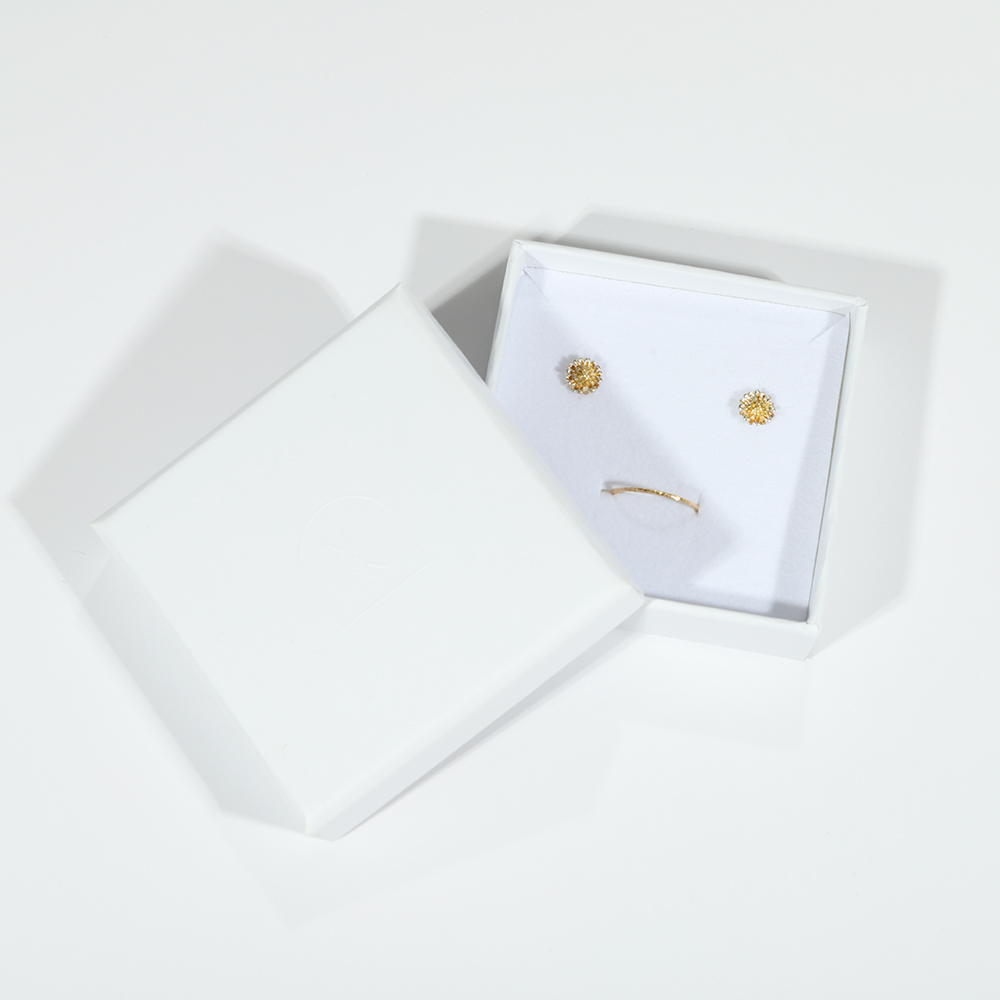
Target demographic preferences regarding sustainability, luxury cues, and post-purchase utility guide material choice. Luxury buyers expect a specific weight and texture from the packaging, often associating heft with quality. Eco-conscious consumers actively look for minimal, recyclable materials and will penalize brands that use excessive plastic wrapping. Understanding whether your customers prefer decluttering or repurposing boxes influences your design strategy. A bulky, non-recyclable box frustrates a minimalist consumer, while a flimsy carton disappoints a luxury buyer.
Packaging Requirements: DTC vs. Retail Display | ||
Requirement | Direct-to-Consumer (DTC) | Retail Display |
|---|---|---|
Primary Function | Transit protection and unboxing experience | Visual merchandising and theft deterrence |
Weight Priority | Low weight to reduce DIM shipping costs | Heavier weight acceptable for premium feel |
Storage Format | Flat-pack preferred for warehouse efficiency | Pre-assembled for immediate store use |
Durability Needs | High crush resistance for parcel networks | Scratch resistance for handling by staff/customers |
Insights from buyer forums and e-commerce community discussions reveal distinct patterns in unboxing satisfaction and waste frustration. Consumers frequently express annoyance with excessive, non-recyclable packaging, often posting negative reviews when a small ring arrives in a massive, plastic-filled box. A minimalist approach resonates better with modern buyers, provided the jewelry remains secure. Elaborate packaging impresses initially, but it must align with the brand's core values to avoid feeling wasteful or performative.
Rigid board serves as the industry standard for luxury presentation. It offers exceptional durability and a premium, heavyweight feel that mimics traditional wood or leather boxes. The core consists of thick, compressed paperboard, usually between 1mm and 3mm thick, wrapped in a thinner, decorative paper. Kraft paper and corrugated options cater to eco-conscious, minimalist, or artisanal brands. These materials provide high recyclability and lower unit costs while communicating a raw, organic aesthetic. Folding cartons represent the budget-friendly, flat-packed option. They suit low-tier fashion jewelry but lack the structural protection necessary for fine jewelry or international shipping without heavy secondary packaging.
A paper jewelry box provides superior surface tension for advanced finishing techniques. The flat, porous nature of paper allows for precise application of foil stamping, embossing, debossing, and spot UV treatments. These techniques create striking visual contrasts and tactile elements that elevate the perceived value of the product. Utilizing textured papers, soft-touch coatings, and linen wraps engages the customer's sense of touch before they even see the jewelry. Tactile engagement plays a massive role in establishing brand equity during the unboxing process.

The assumption that all paper packaging is eco-friendly is a pervasive myth in the jewelry industry. Conventional paper jewelry boxes often utilize laminated plastic coatings to prevent scratching, velvet flocking for texture, and hidden magnets for closure. These additions make the boxes difficult or impossible to recycle in standard municipal facilities. The combination of paper shells with plastic trays or glued velvet inserts further complicates sorting systems, often resulting in the entire package going to a landfill. True sustainable implementation requires sourcing FSC-certified paper, using soy-based inks, and utilizing die-cut paper inserts instead of polyurethane foam or glued velvet.
Moisture vulnerability presents a significant risk for paper packaging. Warping, delamination, or water damage during transit can ruin the presentation and potentially damage the jewelry if tarnishing occurs. You mitigate this by using weather-resistant shipping mailers or poly-bags for the outer transit layer. Crush risk is another major concern. Lower-grade paper boxes require secondary rigid shipping boxes to prevent jewelry damage during sorting at carrier facilities. Investing in higher-grade rigid boards (2mm thickness or higher) reduces the need for excessive outer packaging, streamlining the fulfillment process.
Acrylic is a high-clarity, rigid plastic used primarily for premium display. It offers crystal-clear transparency and a modern, high-end aesthetic, often used for floating displays or high-value single stones. Polypropylene is a flexible, budget-friendly plastic typically used for high-volume, low-cost fashion jewelry. It resists cracking but lacks a premium feel. Velvet-flocked plastic represents the traditional clamshell ring box structure. It uses an injected plastic core covered entirely in velvet or faux leather, offering classic durability and the iconic "snap" closure associated with engagement rings.
A plastic jewelry box provides complete resistance to moisture, humidity, and crushing. This ensures maximum protection for high-value pieces during transit and long-term storage. Analyzing buyer habits reveals that high-quality plastic or acrylic boxes are often kept for years as permanent vanity storage. The structural superiority of plastic makes it excellent for long-term protection against dust and environmental factors. In contrast, cheap paper boxes are quickly discarded once the jewelry is removed.
Complete moisture barrier prevents tarnishing of silver pieces during humid transit routes.
High crush resistance protects delicate prong settings from heavy parcel impacts.
Snap-hinge mechanisms provide secure closure without relying on degradable adhesives or magnets.
Acrylic options allow for visible storage, encouraging customers to keep the box for organization.
The low recyclability rates of mixed-plastic jewelry boxes and the negative consumer perception of single-use plastics present a significant hurdle. Most municipal recycling programs cannot process small, mixed-material plastic boxes, especially those with metal hinges or flocked interiors. However, framing high-quality plastic boxes as durable goods rather than disposable packaging changes the environmental narrative. If a customer keeps and uses a sturdy plastic box for ten years, its lifecycle carbon footprint may be lower than producing multiple disposable paper boxes over the same period.
Using low-grade polypropylene carries a high risk of brand devaluation. The perceived cheapness of thin, flexible plastic can ruin the presentation of even high-quality jewelry. You mitigate this by investing in high-grade acrylics, heavy-walled ABS plastics, or applying soft-touch finishes that mimic rubber or leather. Clear plastics are highly susceptible to scratching and scuffing during transit. This surface vulnerability requires protective polybags or peel-off films to ensure the box arrives in pristine condition, which adds a step to the unboxing process and increases plastic waste.
The manufacturing processes dictate the financial commitment required for each material. Plastic injection molding requires high upfront tooling costs to create the steel molds. This necessitates massive minimum order quantities (MOQs), often starting at 10,000 units, to amortize the tooling expense. Paper box manufacturing utilizes cheaper die-cutting and folding processes with significantly lower MOQs, sometimes as low as 500 units. Plastic unit costs drop drastically at enterprise volumes, making it highly cost-effective for massive retail runs. Paper maintains a relatively stable cost curve, making it accessible and predictable for small to medium-sized brands.
When evaluating a paper jewelry box vs plastic jewelry box, logistics play a massive role. Comparing the bulkiness of pre-assembled plastic clamshells versus flat-packable paper options highlights a major logistical difference. Dimensional weight impacts shipping costs significantly for e-commerce. A rigid plastic box takes up the same volume empty as it does full, maximizing shipping costs. Flat-pack paper cartons minimize inbound freight costs from the manufacturer to your warehouse. Even rigid paper boxes are generally lighter than their plastic counterparts, yielding substantial savings on domestic last-mile delivery when shipping thousands of units annually.
Head-to-Head Comparison: Paper vs. Plastic | ||
Feature | Paper Jewelry Box (Rigid Board) | Plastic Jewelry Box (Acrylic/ABS) |
|---|---|---|
Upfront Tooling Cost | Low (Die-cutting plates) | High (Injection molds) |
Minimum Order Quantity | Low to Medium (500 - 1,000+) | High (10,000+) |
Crush Resistance | Moderate (Requires thick board) | Excellent |
Moisture Resistance | Poor (Unless laminated) | Excellent |
Customization Flexibility | High (Foil, emboss, texture) | Moderate (Color matching, print) |
The outer shell is only half the packaging equation; the interior insert secures the jewelry. Foam, velvet, molded pulp, or die-cut cardboard inserts perform differently depending on the outer material. Paper boxes integrate seamlessly with die-cut cardboard or molded pulp for a fully recyclable, mono-material package. This appeals strongly to eco-conscious consumers. Plastic boxes frequently rely on high-density foam or glued velvet inserts to provide a snug fit and prevent rattling. Securing delicate chains to prevent tangling requires precise insert cuts, which are easier to achieve cleanly on high-density foam or rigid cardboard than on soft pulp.
Comparing paper and plastic to premium alternatives provides context for high-end lines. Wooden boxes offer a heavy, luxurious feel but drastically increase shipping costs, production time, and unit price. Authentic leatherette boxes often feature hidden plastic or metal cores to maintain their shape, meaning they share the environmental drawbacks of plastic while costing significantly more. Velvet boxes are almost exclusively plastic cores wrapped in fabric. When evaluating these alternatives, rigid paper often provides the best balance of premium feel, customization, and cost-efficiency without the extreme weight of wood or the high cost of leatherette.
Balancing the higher initial investment of custom rigid paper boxes against the long-term return on investment requires strategic foresight. Customer loyalty and social media unboxing shares often justify the expense of premium packaging. A memorable unboxing experience turns a first-time buyer into a repeat customer and brand advocate. Skimping on packaging to save a few cents per unit can result in a high return rate due to transit damage or a failure to meet customer expectations, ultimately costing more than the premium packaging would have.
Navigating the trade-off between choosing highly recyclable paper and highly protective plastic is the core challenge for modern jewelers. Highly recyclable paper offers less protection against crushing or moisture unless heavily reinforced, which increases weight and cost. Highly protective plastic carries a negative environmental stigma, regardless of its durability. Brands must decide which factor aligns closer with their core values and customer expectations. If your brand identity centers on sustainability, you must engineer paper solutions that protect the product. If your priority is flawless delivery of high-value items, durable plastic or heavy rigid board is non-negotiable.
Both paper jewelry boxes and plastic jewelry boxes offer unique advantages depending on your product positioning and business objectives. The right choice should balance product protection, brand image, sustainability, shipping efficiency, and overall customer experience. By evaluating your packaging requirements carefully, you can create packaging that not only protects your jewelry but also strengthens your brand value.
Choosing a professional packaging partner is equally important for achieving high-quality custom packaging. Shenzhen ITIS specializes in custom jewelry boxes and premium packaging solutions for global jewelry brands, offering luxury paper packaging, innovative structural designs, sustainable materials, and flexible OEM/ODM manufacturing services. With advanced production technology, strict quality management, and extensive customization experience, Shenzhen ITIS helps customers develop packaging solutions that combine aesthetics, functionality, and long-term brand value.
Select packaging materials based on your target market, product value, and customer expectations.
Balance sustainability, durability, and shipping efficiency when designing your packaging strategy.
Test different packaging materials with actual products before mass production.
Work with experienced manufacturers that provide professional design support and reliable production quality.
Before selecting a jewelry packaging supplier, evaluate their customization capabilities, manufacturing expertise, sustainability practices, quality control systems, and OEM/ODM experience to ensure packaging that supports your brand's long-term growth.
A: Low-grade plastic is cheaper at massive scale, but paper is more cost-effective for small-to-medium runs due to lower tooling costs and MOQs.
A: Only if they avoid plastic laminates, magnetic closures, and foam inserts. Raw kraft or FSC-certified rigid board with paper inserts is truly recyclable.
A: Rigid board paper boxes paired with a corrugated outer mailer provide the best balance of crush resistance, low weight, and premium presentation.
A: Yes, but customization like molding or specific color matching requires high MOQs. Surface printing is possible but less tactile than paper finishes.
A: Rigid paper offers a heavyweight feel, sharp structural lines, and supports high-end finishes like embossing and foil stamping, which align with luxury brand aesthetics better than most plastics.
A: Velvet-covered foam, die-cut cardboard, molded pulp, and cotton fill are standard, though brands are shifting toward paper-based inserts for sustainability.
A: Buyers prefer to keep sturdy, functional packaging like rigid paper boxes or premium acrylic cases for home storage. Cheap plastic boxes or flimsy folding paper cartons are almost immediately discarded, contributing to waste.


