


Jewelry packaging does more than protect a product. It also communicates a brand’s quality standards and sourcing priorities. For jewelry brands working with retailers, distributors, or sustainability-focused customers, credible material information can support purchasing decisions.
FSC-certified jewelry packaging helps brands identify eligible paper and wood products sourced through the Forest Stewardship Council (FSC) system. However, FSC certification does not automatically mean that an entire package is recyclable, plastic-free, or environmentally preferable in every situation.
This guide explains the three FSC labels, how to verify a packaging supplier, and what to consider when integrating certified materials into custom jewelry boxes.

For brands planning a new packaging project, ITIS offers custom jewelry box packaging with options for materials, box structures, inserts, and logo finishes. Confirm FSC material availability and certification details for each specific order.
Table of Contents
The Forest Stewardship Council is an international organization that promotes responsible forest management. Its certification system helps businesses and buyers identify eligible forest-based materials from certified forests, recycled sources, and controlled sources, depending on the product claim.
For jewelry packaging, relevant applications may include:
Paperboard and rigid paper boxes
Paper shopping bags and mailers
Tissue paper and printed care cards
Wood-based presentation boxes
Paper wraps and other eligible packaging components
FSC certification applies to specific materials and product claims. It does not automatically certify every component in a jewelry box. For example, a package may contain FSC-certified paperboard alongside foam, velvet, plastic film, magnets, or metal accessories.
Brands should therefore confirm which components are covered by the FSC claim and evaluate the remaining materials separately.
FSC has three main on-product labels: FSC 100%, FSC Recycled, and FSC Mix. Each communicates a different material sourcing claim.
The FSC 100% label identifies products made from 100% virgin material sourced from FSC-certified forests.
For jewelry packaging, this may be relevant to eligible paper or wood components when the required certification and product claims are in place. Do not assume that the label guarantees greater strength, a smoother finish, or a higher-quality box. Those properties depend on the material grade, construction, and manufacturing process.
The FSC Recycled label identifies products made from recycled material in accordance with FSC requirements.
It may suit brands considering recycled paper for mailers, transit packaging, shopping bags, or other eligible paper products. Recycled paper can vary in color, texture, and performance. Request samples to check whether the material meets your printing, folding, and protection requirements.
The FSC Mix label identifies products made with a combination of FSC-certified material, recycled material, and/or FSC Controlled Wood, under the applicable FSC requirements.
This option may be worth evaluating for custom jewelry boxes when brands want to balance material sourcing, appearance, and production needs. However, the label alone does not guarantee a particular recycled-content percentage or technical performance. Check the applicable product claim and supplier documentation.
For the official label definitions, refer to the FSC label guidance.
FSC label | What it indicates | What buyers should evaluate |
|---|---|---|
FSC 100% | 100% virgin material from FSC-certified forests | Paper or wood grade, appearance, strength, and cost |
FSC Recycled | Recycled material under FSC requirements | Surface quality, print results, folding, and protection |
FSC Mix | A permitted mix of FSC-certified material, recycled material, and/or controlled wood | Exact product claim, documentation, and packaging performance |
FSC certification is one part of material selection. Buyers should also evaluate the finished box’s appearance, protection, usability, and total cost.
The strength of a jewelry box depends on more than its paper source. Board grade, thickness, box dimensions, insert design, adhesive, and assembly quality all affect performance.
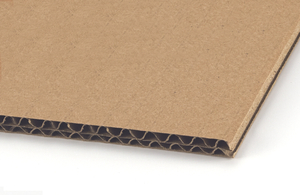
Rigid boxes often use greyboard cores covered with printed or specialty paper. Corrugated board may be suitable for shipping cartons or protective outer packaging. The right choice depends on the product’s weight, shipping conditions, and presentation requirements.
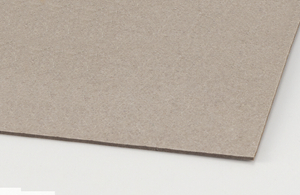
Ask your supplier whether the proposed paper or board is available with the FSC claim required for your project. Then test a physical sample for lid fit, edge quality, compression resistance, and product protection.
FSC-certified paper can be considered alongside printing and finishing options such as embossing, debossing, foil stamping, and coatings. Compatibility depends on the paper grade and the chosen production process.
Some laminations or mixed-material finishes may make recycling more difficult, depending on local collection and processing systems. FSC certification alone does not determine whether a finished box can be recycled.
Discuss the intended finish with your packaging supplier. Request samples to compare the visual result, durability, and end-of-life considerations before approving mass production.
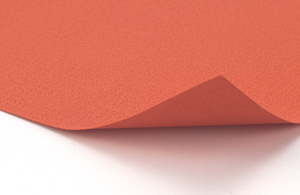
ITIS provides customization services for packaging materials, printing, and surface treatments. Confirm which materials and processes are suitable for your design and whether the selected paper can be supplied with the required FSC claim.
There is no single cost premium that applies to every FSC-certified jewelry packaging order. Pricing can vary by material, box structure, order quantity, printing, finishing, certification scope, and supplier availability.
To make a fair comparison, request quotations for the same specifications. Compare:
Box dimensions and structure
Paper or board grade
FSC claim and supporting documentation
Printing and finishing requirements
Insert materials and accessories
Order quantity, sampling cost, and lead time
Shipping packaging and delivery terms
A sample review can help identify whether a proposed material meets your brand’s appearance and protection needs before you commit to a larger order.
A supplier’s statement that it uses “FSC paper” is not enough to confirm that the finished product is eligible to carry an FSC label. Buyers should check the supplier’s certification status, product scope, and documentation.
Ask the supplier for its FSC certificate information and the details relevant to your order. Confirm the legal company name and the product category covered by its certification.
Use the FSC public search database to look up the supplier. Review the current certificate status and relevant scope information rather than relying only on a PDF provided by a sales representative.
Ask whether the specific packaging product can be sold with the FSC claim you require. Check that the relevant sales documents and product information support that claim.
Certification scope can differ by company and product category. A supplier’s certificate should not be assumed to cover every material, product type, or service it offers.
Do not download the FSC logo and add it to packaging artwork without authorization. FSC trademark use is subject to specific rules. The eligible supplier should confirm the appropriate label, artwork, and approval process for the order.
For additional information, see the official FSC trademark guidance.
FSC certification focuses on eligible forest-based materials. It does not independently assess every aspect of a jewelry package’s environmental impact.
A complete packaging review should also consider inserts, ribbons, magnets, adhesives, coatings, and shipping materials.
Foam, velvet, satin, and other lining materials can provide cushioning and a premium presentation, but they may require different disposal routes from paperboard. Paper-based inserts may be an alternative for some designs, while fabric pouches may be useful for others.
Choose components according to jewelry protection, appearance, production feasibility, and end-of-life options. Do not assume that any one alternative is always more sustainable.
A box made with FSC-certified paper may still contain components that complicate recycling. Laminations, adhesives, magnets, and mixed materials can affect how the package is processed.
If recyclability is an important brand requirement, ask suppliers to identify the material composition and evaluate the finished package against the recycling guidance in your target market.
Before approving the final design, request a sample and confirm material availability, production timing, and order requirements. Where possible, discuss alternative materials that can meet the same visual and functional specifications.
For product-specific box styles and inserts, review ITIS’s custom small jewelry packaging boxes.
Use this checklist when comparing packaging suppliers:
Define which packaging components need FSC-certified materials.
Specify the required FSC label or claim for the relevant products.
Verify the supplier and its certification scope in the official database.
Request documentation supporting the claim for your specific order.
Review a physical sample for appearance, structure, and protection.
Evaluate inserts, coatings, adhesives, and other non-paper components separately.
Compare quotations using matching specifications and order quantities.
Confirm artwork and trademark requirements before mass production.
FSC-certified jewelry packaging can help brands communicate responsible sourcing for eligible paper and wood products. The best choice depends on the material claim, supplier certification, box design, production requirements, and intended market.
Before placing an order, verify the supplier’s current certification details, confirm the claim for your specific packaging, and test the finished sample. A careful review of materials and components can help your brand balance presentation, product protection, cost, and sustainability goals.
If you are planning a custom packaging project, contact the ITIS packaging team to discuss box structures, materials, finishes, and the documentation required for your order.
It means the relevant forest-based material or product meets the requirements for an applicable FSC claim. Check the label and supplier documentation to understand what is covered.
FSC 100% identifies virgin material from FSC-certified forests. FSC Recycled identifies recycled material under FSC requirements. FSC Mix covers a permitted combination of FSC-certified material, recycled material, and/or controlled wood.
No. FSC certification and recyclability are different considerations. Finishes, adhesives, inserts, magnets, and local recycling facilities can affect end-of-life options.
The cost depends on the materials, box structure, order quantity, finishing, supplier availability, and documentation requirements. Request comparable quotations rather than relying on a universal percentage.
Request the supplier’s certificate details, check its status and scope in the official FSC database, and confirm that the claim applies to your specific product and transaction.


