


Choosing the right jewelry box inserts helps protect jewelry, improve product presentation, and control packaging costs. The best insert depends on the jewelry's shape, weight, surface finish, shipping conditions, and brand positioning.
Foam, EVA, paperboard, velvet, microfiber, and other fabrics each offer different benefits. Some provide cushioning, while others create a refined display or support a paper-based packaging design. Material selection also affects customization, assembly, and long-term storage.
This guide compares common jewelry box insert materials and explains what packaging buyers should check before approving a custom design. For tailored solutions, explore ITIS custom jewelry boxes.
Table of Contents
An insert should hold each item securely without putting unnecessary pressure on delicate components. Rings, earrings, necklaces, bracelets, and watches may require different cavities, slots, or support structures.
Consider the jewelry's weight, shape, protruding settings, and surface finish. A loose insert may allow items to move during shipping, while a cavity that is too tight can make products difficult to remove or place stress on delicate parts.
Test the insert with actual jewelry samples. Check that the item stays in position, can be removed easily, and does not touch the inside of the lid when the box closes.
The insert's surface is only one part of jewelry protection. Dyes, coatings, adhesives, and other packaging components may also affect compatibility with particular metals.
Do not assume that a material is anti-tarnish simply because it is made from cotton, velvet, microfiber, or foam. Ask suppliers for relevant material information and supporting test results when tarnish protection is important, especially for silver and other oxidation-sensitive metals.
Storage conditions also matter. Moisture, air exposure, and contact with unsuitable materials can affect jewelry over time. Test the complete insert assembly, including its adhesives and surface finishes, rather than evaluating the fabric alone.
Insert color, texture, and structure influence how jewelry appears when the box opens. Velvet and soft-touch fabrics can create a traditional luxury look. Smooth microfiber offers a more understated finish, while shaped foam and EVA can create clean, organized compartments.
Paperboard inserts can support a simple, coordinated packaging design. The best choice depends on the brand's visual identity, target price point, and the type of jewelry being presented.
The total cost includes more than the insert material. Cutting, molding, fabric wrapping, assembly, finishing, and order quantity can all affect the final price.
Simple die-cut inserts may be suitable for straightforward designs, while complex cavities or wrapped rigid structures may require more development work. Ask suppliers to confirm the available materials, setup requirements, minimum order quantity, sample cost, and production lead time for your design.
Insert material | Main advantages | Limitations to consider | Typical applications |
|---|---|---|---|
PU sponge or foam | Lightweight, compressible, and suitable for shaped slots | May deform or deteriorate depending on its formulation and storage conditions | Fashion jewelry and cost-conscious packaging |
EVA foam | Can hold shaped cavities and provide structured support | Material firmness, finishing, and tooling affect cost and performance | Watches, jewelry sets, and products needing defined compartments |
Paperboard | Printable, lightweight, and suitable for paper-based packaging designs | Protection depends on the structure; moisture and coatings may affect performance | Lightweight jewelry and minimalist packaging |
Velvet | Soft, textured appearance associated with traditional jewelry presentation | Pile, dye, and adhesive quality need evaluation | Ring boxes, necklace boxes, and premium presentation |
Microfiber and other fabrics | Available in different textures and finishes; can cover a shaped core | Usually needs a supporting structure to hold jewelry securely | Custom inserts with a smooth or soft-touch finish |
Cotton or felt | Offers a soft, tactile surface and a natural-material option | Performance depends on fiber, finish, construction, and compatibility | Artisanal styles and selected jewelry packaging designs |
These are general comparisons, not universal performance guarantees. Confirm material specifications and test the finished insert against your jewelry and packaging requirements.
Foam and sponge inserts are commonly used when a lightweight, cushioned insert is required. They can be cut with slots for rings, earrings, and other small products. Some designs also use a surface finish to create a more refined appearance.
The actual performance depends on the foam type, density, thickness, cavity design, and finishing method. Soft foam may work well for lightweight products, but it may not provide enough support for heavier pieces or items that need precise positioning.
Before ordering, check whether the foam retains its shape after repeated use. Also evaluate its surface, odor, and compatibility with the jewelry. If the insert will be stored with silver or other oxidation-sensitive pieces, request appropriate material information and test the complete assembly.
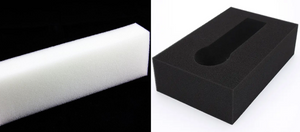
EVA foam is often selected for inserts that need shaped cavities and a more structured feel. Depending on the design and material specification, it can hold products in defined positions and support a neat presentation.
EVA inserts can be cut or formed for specific jewelry shapes. A suitable surface finish or fabric covering can also help align the insert with the outer box design.
However, EVA is not automatically the best option for every product. Its firmness, cavity dimensions, surface finish, and production method should match the jewelry's weight and shape. Complex designs may require additional development or tooling, so compare the full project cost rather than material price alone.
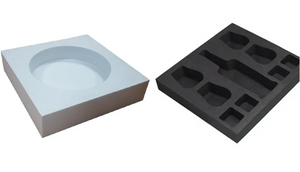
Paperboard inserts suit brands looking for a coordinated paper-based packaging design. They can be printed, cut, and folded into structures that hold lightweight jewelry or separate items within a box.
The insert's performance depends on paper thickness, folding design, grain direction, cavity structure, and the weight of the jewelry. Paperboard may be less suitable for products that need substantial cushioning unless the structure is designed to provide enough support.
Paper-based materials can support recycling goals, but the final result depends on the paper source, coatings, laminations, adhesives, and local recycling facilities. Confirm the material composition before making environmental claims.

Fabric-covered inserts are often chosen for their appearance and tactile feel. The fabric usually sits over a supporting structure, such as foam, board, or a molded core, that keeps the jewelry in place.
Velvet creates a soft surface and a traditional jewelry-box appearance. Check the pile, color consistency, shedding, and attachment method. The suitability of velvet for tarnish-sensitive jewelry depends on its composition, dyes, finishes, adhesives, and test results—not just its name.
Microfiber can provide a smooth, matte surface for contemporary packaging. It can be used to cover a shaped insert, helping combine a consistent appearance with structured support. Check surface wear, lint, color transfer, and compatibility with the jewelry.
Cotton and felt offer different textures and may suit natural or artisanal brand positioning. Their actual performance depends on fiber composition, processing, dyes, and construction. Do not assume that a natural fiber automatically prevents tarnish or is suitable for every metal.
Satin and similar fabrics can create a polished visual effect, but a loose surface may wrinkle or snag on some jewelry settings. If used on an insert, the fabric should be secured and tested with the actual product.
Before approving a large order, follow these practical checks:
Provide actual jewelry samples. Use the real product to confirm the cavity size, support points, and ease of removal.
Review the complete material assembly. Check the core, fabric, coatings, dyes, and adhesives rather than judging one component alone.
Inspect the closed box. Confirm that jewelry does not touch the lid or move excessively when the box is handled.
Evaluate shipping needs. Select suitable packaging and testing based on product value, distribution method, and expected handling conditions.
Confirm commercial details. Ask about tooling, sample fees, minimum order quantities, production lead times, and quality-control procedures.
Approve a physical pre-production sample. Check fit, appearance, assembly, and consistency before mass production.
For design support and production planning, see ITIS customization services. ITIS describes a workflow that includes material selection, sample production, sample testing, and mass production.
The best jewelry box insert balances product protection, presentation, material compatibility, and production cost. Foam can be practical for cost-conscious packaging, EVA can support defined cavities, paperboard can suit paper-based designs, and fabric-covered inserts can create a refined finish.
No material is ideal for every jewelry product. Test the actual jewelry with the finished insert, confirm material compatibility, and compare total production costs before approving a custom order.
It depends on the jewelry, required presentation, shipping conditions, and budget. Foam, EVA, paperboard, and fabric-covered inserts each suit different designs. Test the actual product before choosing.
Not automatically. Tarnish risk can depend on the insert material, dyes, coatings, adhesives, storage conditions, and the silver itself. Request relevant material information and test the complete packaging assembly.
Foam is a broad category, and common sponge materials can be softer and more compressible. EVA is often used for more structured cavities. Actual performance depends on the material specification and insert design.
They may be recyclable, but this depends on the paper, coatings, laminations, adhesives, and local recycling facilities. Confirm the full material composition before making recycling claims.
Measure the jewelry and design the cavity around its shape, thickness, and support points. Test with actual samples and check that the jewelry fits securely and does not contact the lid when the box closes.


