


Sustainable jewelry packaging can reduce unnecessary materials while preserving the premium experience customers expect. The key is to balance material selection, structural design, product protection, and brand presentation.
Luxury packaging does not depend on weight or decorative layers alone. Paper texture, precise construction, refined printing, and a well-fitted insert can create a premium impression without adding unnecessary components. Brands can also explore recyclable paper-based structures, reusable pouches, and right-sized shipping cartons.
This guide explains how to design sustainable jewelry packaging that supports your brand image while considering practical production, material compatibility, and end-of-life disposal. Explore ITIS custom jewelry boxes for packaging options tailored to your products.
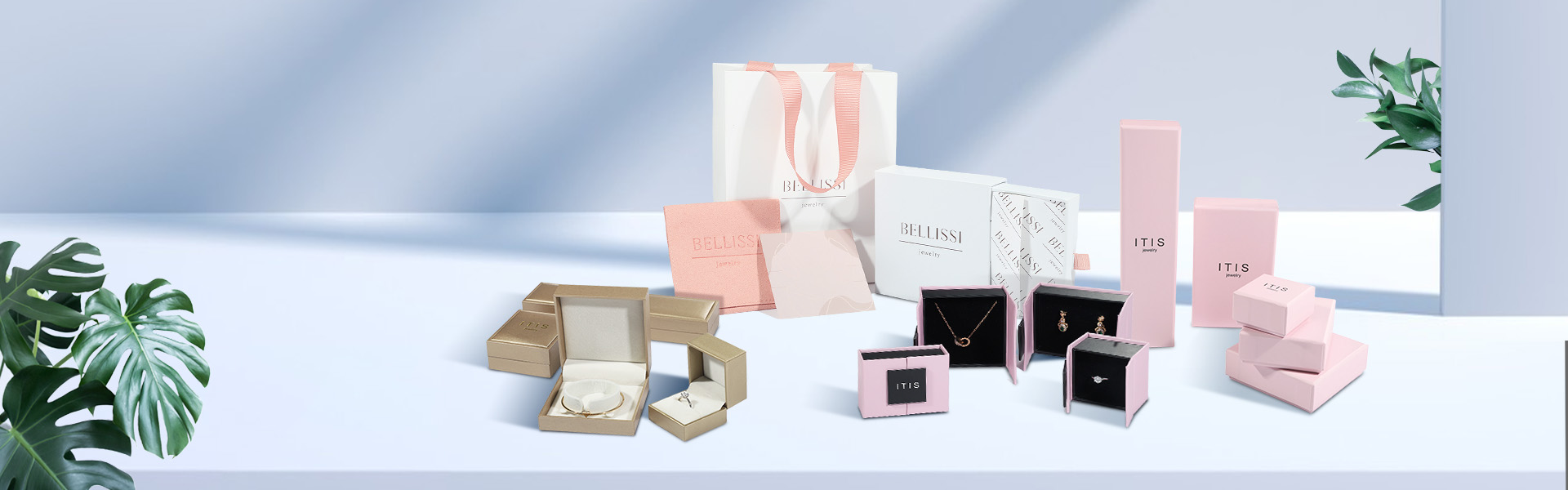
Table of Contents
Before selecting materials, identify the goals your packaging needs to meet. These may include reducing material use, increasing recycled content, simplifying recycling, improving shipping efficiency, or encouraging customers to reuse packaging.
Not every goal requires the same solution. A recyclable paper box may suit one product line, while a durable pouch may be more useful for jewelry customers who need storage during travel. A packaging design should be evaluated as a complete system rather than by one material label.
Set measurable criteria where possible. For example, compare the number of packaging components, total packaging weight, box dimensions, recycled content, and available end-of-life options. Use supplier documentation and actual product data to support environmental claims.
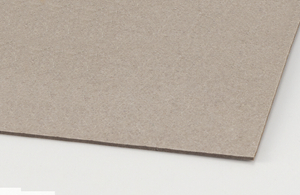
Paperboard is widely used for custom jewelry boxes because it supports a range of structures, colors, printing methods, and surface finishes. Recycled paper can help reduce demand for virgin fiber, while certified paper sources may support responsible sourcing goals.
However, recycled content alone does not determine a box's strength or environmental performance. Paper grade, fiber quality, board thickness, structural design, coatings, and adhesives all affect the finished package.
A practical approach is to compare suitable paper grades and request samples before selecting a final structure. Check corner strength, surface appearance, print quality, and resistance to handling. If using certified materials, verify the certificate's scope and whether the specific material or supplier is covered.
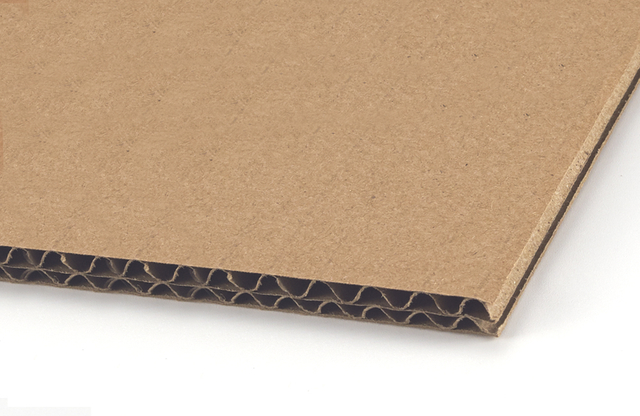
Corrugated board and engineered paper structures can help protect jewelry packaging during storage and shipping. Folded components and carefully designed inserts may provide support without relying on large amounts of cushioning material.
The right design depends on the jewelry's size, fragility, shipping conditions, and the outer box structure. Test the complete package to confirm that items remain secure and that the box can withstand expected handling.
A reusable jewelry pouch can extend the life of packaging beyond the initial unboxing. Cotton, recycled textiles, and other fabric options may suit different brand styles, but their environmental value depends on fiber sourcing, manufacturing, durability, and actual reuse.
Choose fabric based on its intended use. A pouch for daily storage needs suitable stitching and reliable closure, while a presentation pouch may place greater emphasis on texture and appearance. Check dyes, lint, color transfer, and compatibility with the jewelry.
If using environmental certifications, confirm which product and production stages the certification covers. Do not assume that a fabric is sustainable solely because it is described as natural or recycled.
Molded pulp, bagasse, and mycelium-based materials may offer alternatives for selected packaging applications. Their suitability depends on availability, protective performance, surface quality, production requirements, and disposal conditions.
Some materials are designed for recycling, while others may require specific composting conditions. Compostable does not automatically mean home-compostable, and it does not guarantee acceptance by local waste facilities.
Request samples and technical information before adopting a new material. Confirm that it protects the jewelry, suits the required appearance, and has a clearly explained end-of-life pathway.
Luxury presentation comes from the overall design, not just expensive materials. A well-constructed paper box can look refined through accurate dimensions, clean edges, coordinated colors, and carefully selected finishes.
Embossing, debossing, specialty papers, and considered logo placement can add visual and tactile interest. Choose finishes according to the desired appearance and the packaging's environmental goals.
Laminations, coatings, foil, and adhesives may affect recycling or material separation. They do not automatically make a box unrecyclable, but they should be considered when selecting a structure and confirming local disposal options.
Review each component of the box. Remove unnecessary sleeves, excess void fill, and redundant inserts when they do not improve protection or presentation.
A well-designed lid, base, and insert can create a satisfying opening experience while keeping the packaging organized. Friction-fit closures, paper-based components, or removable accessories may be suitable alternatives to some mixed-material designs, depending on product requirements.
Do not remove structural support simply to reduce material use. The goal is to use the right amount of material to protect the jewelry and create the intended customer experience.
The insert should hold each item securely and prevent excessive movement during shipping. Paperboard supports, molded pulp, foam, EVA, and fabric-covered structures each have different performance characteristics.
Select the insert based on the jewelry's weight, shape, surface finish, and shipping conditions. A paper-based insert may work for a lightweight item, while a more structured solution may be necessary for heavier or delicate pieces.
Material compatibility also matters. Dyes, coatings, adhesives, and insert materials can affect certain metals during storage. Do not assume that a recycled or natural material is automatically safe for silver or other oxidation-sensitive jewelry.
Test the complete packaging assembly with actual jewelry samples. If tarnish prevention is a concern, ask suppliers for relevant material information and arrange suitable compatibility testing before mass production.
Oversized boxes and unnecessary layers increase material use and may take up more space in storage and transit. Right-sizing the box around the jewelry and insert can reduce empty space while maintaining suitable protection.
Standardizing a small number of outer box sizes may also simplify purchasing and inventory management. Different inserts can be designed for rings, earrings, pendants, or bracelets where practical.
Consider the complete shipping package, not only the presentation box. Outer cartons, protective materials, and shipping methods affect total packaging use. Compare package dimensions, actual weight, and damage rates before making changes.
Reusable pouches and storage boxes can add value when customers have a clear reason to keep them. Durability and usability are important: a reusable component only offers value if it is likely to be used again.
Sustainability claims should be specific and supported by evidence. Terms such as “eco-friendly,” “biodegradable,” and “recyclable” can mean different things depending on material composition and local waste systems.
Before approving a supplier, consider these checks:
Material composition: Request details for paper, coatings, laminations, inserts, fabrics, and adhesives.
Certification scope: Verify the certificate, covered material, supplier, and relevant production stage.
Recycling or composting: Confirm whether the finished packaging is accepted by the intended disposal system.
Product protection: Test the finished package for fit, closure, handling, and expected shipping conditions.
Environmental claims: Keep evidence for claims about recycled content, sourcing, and disposal.
A certificate for one material does not automatically certify the entire packaging set. Keep the wording of product claims aligned with the evidence available.
Sustainable packaging costs depend on materials, structure, finishing, tooling, order quantity, assembly, and shipping. A simpler design may reduce components, but specialized materials or custom structures may require additional development.
Request a sample before approving mass production. Use actual jewelry to check the fit, insert support, closure, surface finish, and ease of removal. Review the complete box and its shipping protection rather than judging the presentation box alone.
ITIS provides customization services covering material selection, design sampling, production, and quality checks. Discuss your target budget, order quantity, material preferences, and product requirements with the supplier before finalizing the design.
For examples of paper-based jewelry packaging, explore the ITIS custom jewelry paper packaging box.
Sustainable jewelry packaging can retain a luxury feel when material selection and design work together. Paperboard, corrugated structures, reusable pouches, and carefully selected inserts can support different packaging goals, but each option should be evaluated for protection, appearance, material compatibility, and disposal.
Start by identifying your priorities, comparing materials, and removing components that do not add value. Then test the complete packaging with actual jewelry and verify environmental claims before production.
Use well-structured boxes, quality paper textures, clean edges, coordinated colors, and selective finishing. Premium presentation depends on design and execution, not only material weight or decorative layers.
Paperboard, recycled paper, corrugated structures, and reusable fabric pouches may suit different applications. The best option depends on product protection, material sourcing, finishing, and available disposal routes.
They may be recyclable, but coatings, laminations, adhesives, inserts, and local recycling rules can affect acceptance. Check the complete packaging construction and local disposal guidance before making claims.
Right-size the box, remove unnecessary layers, and select inserts that hold the jewelry securely. Test the complete package under expected handling and shipping conditions before reducing protective components.
Request material specifications, relevant certification documents, and evidence supporting recycled content or disposal claims. Confirm that the documents apply to the specific material and finished packaging being purchased.


