


The unboxing experience is a critical touchpoint for jewelry brands, directly influencing perceived value and customer retention, but packaging budgets are often the first to strain profit margins. Buyers face a fragmented market where suppliers obscure unit economics, making it difficult to forecast the true landed cost of custom packaging versus off-the-shelf alternatives. This guide breaks down the exact variables that dictate your custom jewelry box cost, providing a transparent framework to evaluate materials, minimum order quantities, design readiness, and hidden logistical fees before committing to a supplier.
Unit Economics Vary by Scale: Wholesale custom jewelry boxes typically range from $0.50 to $5.00+ per unit, heavily dependent on order volume and structural complexity.
MOQs Dictate Feasibility: Most premium packaging manufacturers require a Minimum Order Quantity of 100 to 500 units to absorb setup and tooling costs.
Inserts and Finishes Drive Premiums: Custom-cut velvet or suede inserts, along with foil stamping and magnetic closures, can increase baseline unit costs by 30% to 50%.
Hidden Landed Costs: Freight, storage, and prototyping fees often represent 15% to 25% of the total packaging investment and must be factored into initial ROI calculations.
Table of Contents
Search intent for packaging often conflates individual bespoke items with commercial wholesale packaging. Establishing the correct procurement category is essential for accurate budgeting. Misunderstanding the difference leads to wildly inaccurate budget forecasts and wasted procurement time. You must define your operational scale before approaching any manufacturer.
Bespoke artisan boxes represent custom-crafted wooden or leather containers. Artisans build these for personal use or high-end singular gifts. The investment reflects intensive manual labor, premium hardware, and exotic wood types. These are individual masterpieces rather than scalable brand assets. Production relies on traditional woodworking techniques, hand-applied finishes, and custom-machined hinges. You cannot scale this production model for a retail brand moving hundreds of units a month.
Wholesale brand packaging provides scalable solutions designed for retail or e-commerce jewelry brands. This category focuses on unit economics, brand consistency, and supply chain reliability. Commercial packaging ensures every customer receives the exact same unboxing experience. Production utilizes automated die-cutting, machine-applied adhesives, and offset printing presses. This guide focuses entirely on this commercial category.
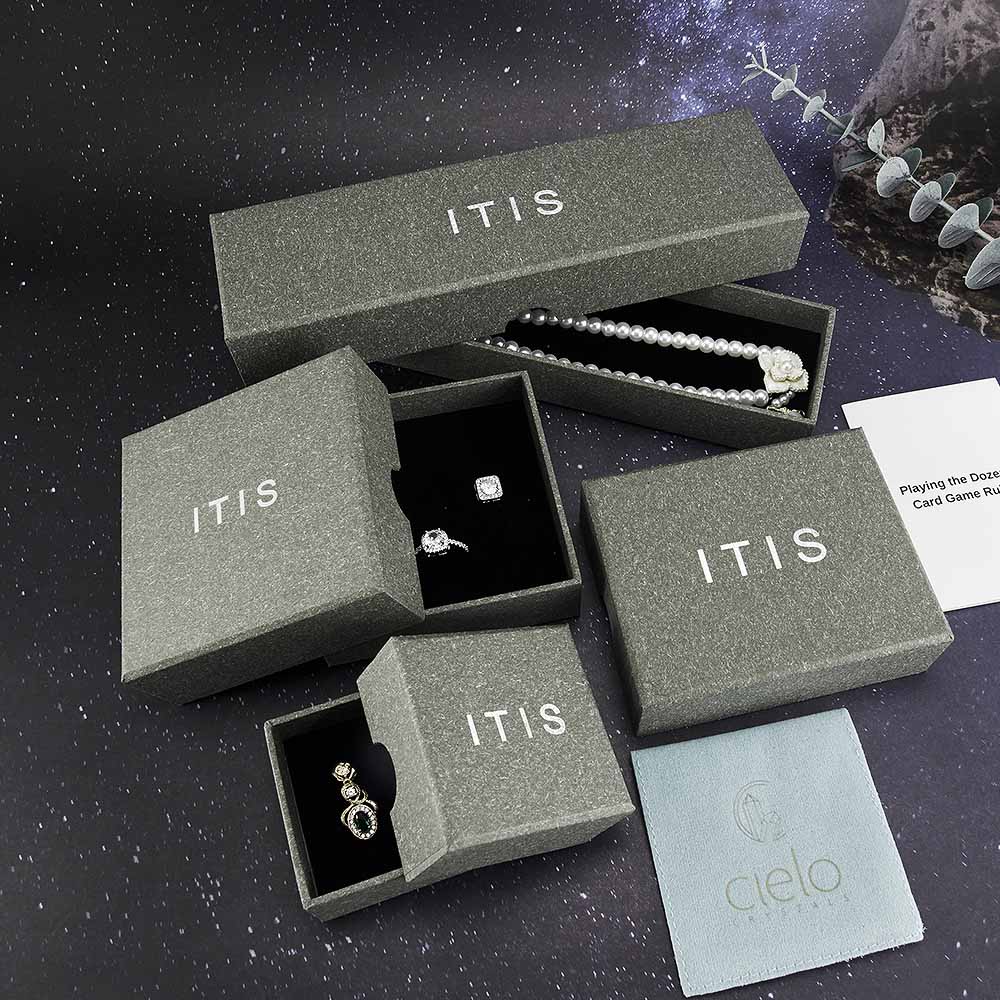
For startups anxious about high upfront investments, semi-customization offers a practical entry point. You purchase blank, stock boxes and add a custom logo via hot stamping or brand stickers. This approach keeps initial investments low while still establishing brand identity. Suppliers hold massive inventories of blank rigid boxes or folding cartons. They simply pull from stock, run the lids through a foil stamping machine, and ship them out. Lead times are short, often under two weeks.
Fully custom manufacturing involves building the packaging from the ground up. You dictate tailored dimensions, custom-dyed papers, bespoke structural shapes, and custom-engineered inserts. This route requires a higher initial investment but delivers a completely unique brand presentation. The factory must order raw chipboard, cut it to your exact specifications, print custom wraps, and engineer specific foam cavities for your jewelry pieces. Lead times extend significantly, requiring structural prototyping and extensive quality assurance checks.
Feature | Semi-Custom Packaging | Fully Custom Manufacturing |
|---|---|---|
Structural Design | Pre-set dimensions and shapes | 100% tailored to your product |
Lead Time | Fast (1-2 weeks) | Extended (4-8 weeks) |
Branding Options | Foil stamp or screen print on lid | Full-bleed printing, custom textures, interior branding |
Insert Fit | Generic foam slots or universal pillows | Precision die-cut cavities for exact jewelry dimensions |
Cheap packaging leads to tangled necklaces, scratched gemstones, and tarnished metals during transit. High-quality custom inserts protect the inventory. This protection directly reduces the cost of returns and damages. A well-engineered custom jewelry box acts as an insurance policy for your fragile products. When a delicate chain knots during shipping, the customer often returns it rather than attempting to untangle it. The labor required to process that return, untangle the chain, and repackage the item far exceeds the investment in a proper insert.
Transit testing reveals the true value of structural integrity. Rigid boxes absorb impact energy that would otherwise transfer to the jewelry. High-density EVA foam prevents heavy pendants from shifting and striking the box walls. If you ship internationally, your packaging will endure rough handling, extreme temperature shifts, and high humidity. Inferior adhesives fail under these conditions, causing the wrapping paper to peel away from the chipboard core.
Premium packaging acts as an organic marketing channel. Social media unboxing videos drive customer acquisition. Packaging with clear logo placement and a premium tactile feel increases organic brand impressions. Customers are far more likely to share their purchase online if the presentation feels luxurious. The tactile resistance of a two-piece rigid box lid sliding off creates anticipation. The sound of a magnetic flap snapping shut communicates quality.
You control the narrative through packaging layers. A custom mailer box, custom tissue paper, a branded sticker, and finally the primary jewelry box create a sequenced reveal. Each layer reinforces brand identity. When a customer keeps your box to store their jewelry long-term, your logo remains on their vanity. This constant visual reminder drives repeat purchases and builds brand loyalty.
As a general industry rule, packaging investments should represent a small, proportional percentage of the jewelry piece's retail value. Packing a high-value diamond ring in a flimsy cardboard box devalues the product. Conversely, a luxury rigid box is economically unviable for a low-margin fashion ring. Aligning your packaging tier with your product tier ensures optimal profit margins.
Consider the psychological impact of weight. Heavy packaging implies a heavy, valuable product inside. Adding a dense MDF core or a weighted base to a ring box elevates the perceived value of the ring before the customer even sees it. However, you must balance this psychological advantage against the increased freight expenses associated with heavier shipments.
Understanding the different tiers of packaging helps brands allocate their budgets effectively. Each tier offers specific materials, finishes, and structural designs suited for different market segments. You must match the manufacturing specifications to your operational requirements.
The economy tier utilizes lightweight paperboard or folding cartons. It features standard foam inserts with basic die-cuts and single-color printing. This tier prioritizes speed and volume over premium tactile experiences. Manufacturers use Solid Bleached Sulfate (SBS) board, typically ranging from 250gsm to 400gsm. These boxes ship flat, drastically reducing freight and warehousing expenses. Assembly happens on your fulfillment line. The inserts usually consist of low-density polyurethane (PU) sponge with simple slit cuts for rings or necklaces.
The mid-market tier upgrades to rigid boxes featuring a chipboard core with wrapped paper. Inserts improve to flocked foam, basic velvet, or microfiber. Standard finishes include matte lamination, basic foil stamping, and magnetic closures. The core consists of greyboard, usually between 800gsm and 1200gsm. The factory cuts the greyboard, scores it, and wraps it in printed art paper. This construction provides excellent crush resistance. The boxes ship fully assembled, which increases volumetric freight requirements. Flocked foam inserts provide a softer texture than raw sponge, elevating the presentation.
The luxury tier demands heavyweight rigid construction, wood veneer, or faux leather wrapping. Interiors feature custom-molded inserts, suede pouches, or multi-tiered compartments. Advanced finishes like embossing, debossing, spot UV, and custom metal hardware define this category. Manufacturers might use MDF (Medium Density Fiberboard) instead of greyboard for maximum rigidity and weight. Wrapping materials include soft-touch PU leather, textured specialty papers, or genuine velvet. The hinges are often custom-machined metal rather than simple paper hinges. Quality assurance at this tier is rigorous, with high rejection rates for minor adhesive bleeds or misaligned foil stamps.
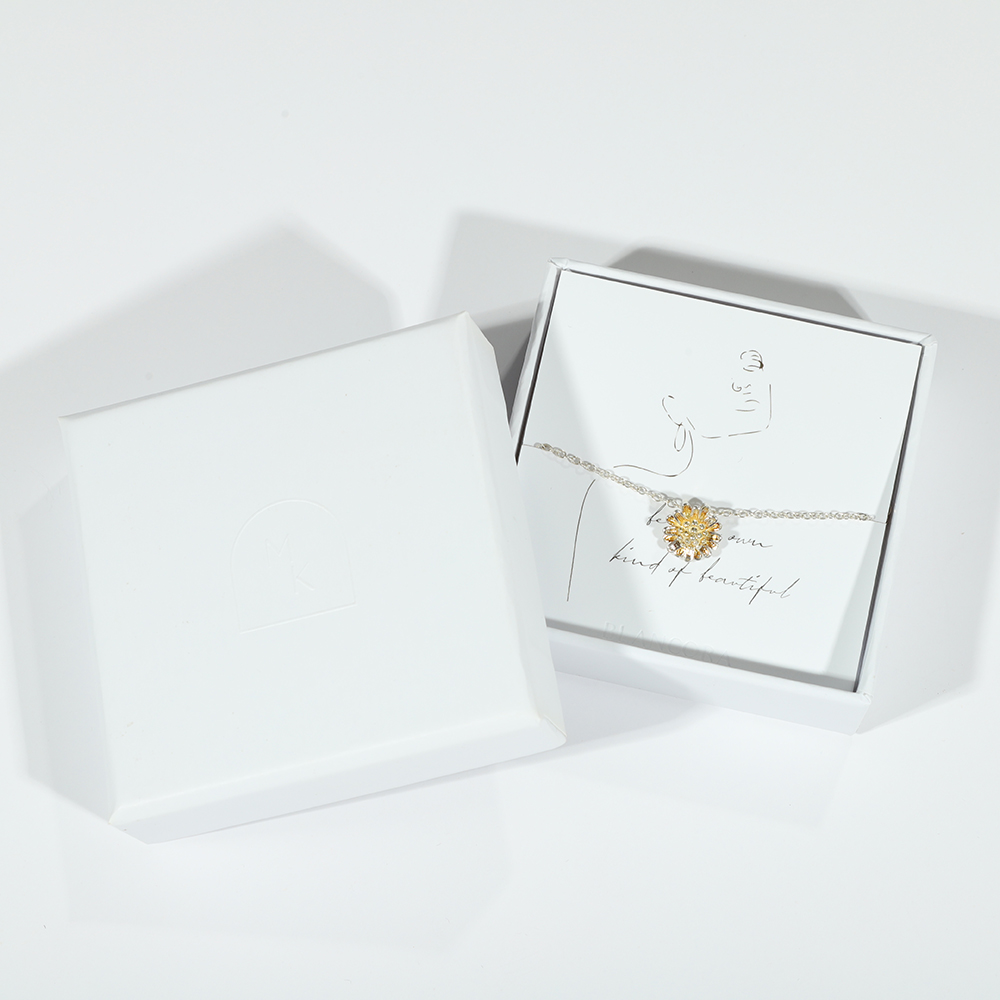
Rigid boxes offer higher perceived value but require a larger investment to manufacture and ship. Their weight and inability to ship flat increase freight expenses. Paperboard folding cartons are highly efficient for shipping but lack the premium feel of rigid construction. The thickness of the core material dictates the structural integrity. Upgrading from 800gsm to 1500gsm greyboard increases the raw material expense and requires heavier-duty cutting machinery.
Wrapping materials also dictate the final investment. Standard art paper is highly efficient. Specialty textured papers, vegan leather, and velvet wraps add premium material expenses. These luxury wraps also require specialized adhesives and slower, more precise manufacturing processes. Standard art paper runs through automated wrapping machines at high speeds. Velvet or PU leather often requires manual wrapping and longer adhesive curing times to prevent bubbling or warping.
Each unique finish requires separate plates or screens. Gold foil stamping, spot UV, and embossing all add flat setup fees to the order. The more complex the visual design, the higher the initial setup investment. Foil stamping requires a custom-machined magnesium or copper die. The factory heats this die and presses the foil onto the paper. Spot UV requires a specific silk screen to apply the gloss polymer exactly over the printed design.
Converting low-resolution files to print-ready vector formats can incur hidden file-prep charges. Artwork must meet strict design guidelines before submission. Multi-color offset printing and full-bleed designs increase ink usage and require stricter quality control during production. Offset printing requires four separate aluminum plates (Cyan, Magenta, Yellow, Black). The press operator must calibrate the machine to ensure perfect registration. Any misalignment results in blurry text or muddy colors, leading to make-ready waste.
Pre-cut foam is highly efficient and readily available. Custom-molded EVA foam, molded pulp, or fabric-wrapped inserts require custom die-cutting tools. These tools add upfront expenses to the manufacturing run. A steel-rule die must be bent and set into a wooden board to stamp out the exact shape of your jewelry from the foam block.
Upgrading from standard sponge to high-density EVA foam or premium suede drastically alters the tactile experience. The quality of the insert directly impacts how securely the jewelry is held and how luxurious it feels upon opening. High-density EVA foam provides a rigid, precise fit. When wrapped in premium microfiber or suede, it mimics the interior of a high-end display case. Molded pulp offers an eco-friendly alternative, but the aluminum tooling required to mold the pulp requires a significant upfront investment.
Economies of scale play a massive role in manufacturing. Setup expenses like die-making, printing plates, and machine calibration are amortized across the total order volume. Larger orders distribute these fixed expenses more efficiently. When a factory sets up an offset printing press, they generate make-ready waste. They run hundreds of sheets through the press just to align the colors and achieve the correct ink density. This waste occurs whether you order 500 boxes or 50,000 boxes.
Ordering low quantities results in a high per-unit investment. Digital printers often advertise low entry barriers, but the setup fees are divided among fewer boxes. This makes small runs significantly less efficient for profit margins. If your tooling and setup fees total a specific amount, dividing that by 100 units adds a massive premium to each box. Dividing that same setup fee by 5,000 units makes the impact negligible.
Analyzing the volume threshold is critical. There is a tipping point where the unit investment drops significantly. This threshold makes rigid or luxury boxes financially viable for mid-sized brands willing to hold more inventory. You must calculate your storage capacity and cash flow. Ordering a two-year supply of packaging secures a lower unit rate, but ties up capital and warehouse space. You must find the balance between manufacturing efficiency and inventory management.
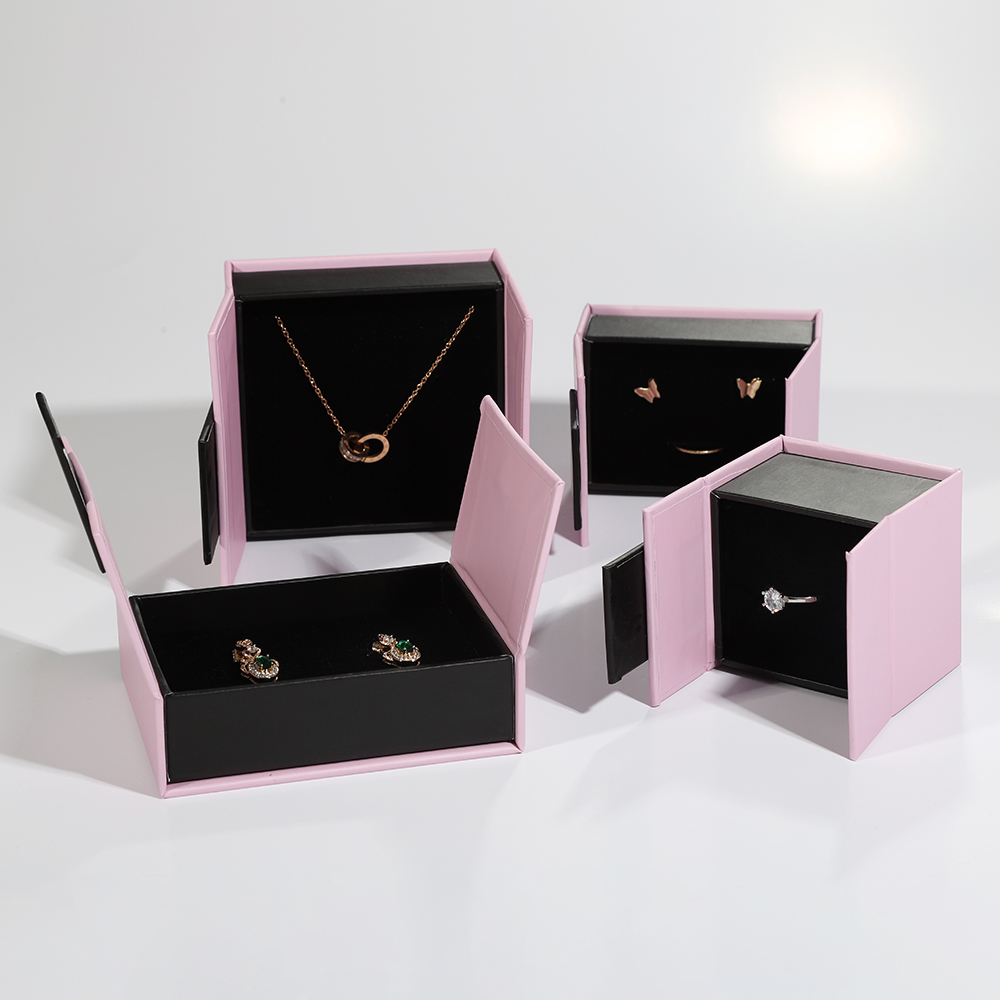
Custom cutting dies, foil plates, and embossing molds require one-time investments. Manufacturers rarely include these in initial per-unit quotes. These structural tools add significant flat fees to the initial order invoice. You must request a comprehensive quote that itemizes these one-time setup requirements to avoid budget overruns. If you change the dimensions of your box by even a few millimeters on a reorder, you must pay for entirely new cutting dies.
Never commit to a full production run without a physical prototype. Digital 3D renders cannot verify the friction fit of a lid or the exact color match of a printed wrap. Factories charge for structural prototypes because they must interrupt their mass-production lines to run a single unit. This prototyping fee is a necessary insurance policy against receiving thousands of defective boxes.
Rigid boxes ship fully assembled. You pay to ship empty air. Freight forwarders calculate shipping based on volumetric weight, not just actual weight. A pallet of rigid boxes contains significantly fewer units than a pallet of flat-packed folding cartons. You must calculate the landed logistics, including ocean freight, customs duties, and domestic warehousing, to understand the complete financial impact of your packaging strategy.
The cost of a custom jewelry box is determined by much more than its appearance. Materials, structural design, production volume, finishing techniques, and logistics all contribute to the final investment. By understanding these cost factors and planning your packaging strategy carefully, you can achieve the right balance between premium presentation, operational efficiency, and long-term profitability.
Working with an experienced packaging manufacturer can help you optimize both quality and cost. Shenzhen ITIS specializes in custom jewelry boxes and luxury packaging solutions for global jewelry brands, providing innovative structural designs, premium materials, sustainable packaging options, and flexible OEM/ODM manufacturing services. With advanced production facilities, strict quality control, and extensive customization expertise, Shenzhen ITIS helps customers develop packaging solutions that maximize brand value while controlling production costs.
Define your packaging requirements and budget before requesting quotations.
Compare materials, finishes, and MOQ options to optimize overall packaging costs.
Always evaluate total landed costs, including tooling, freight, and warehousing expenses.
Partner with manufacturers that offer professional engineering support and reliable quality assurance.
Before selecting a custom jewelry box supplier, evaluate their manufacturing capabilities, pricing transparency, quality management, OEM/ODM experience, and ability to provide cost-effective packaging solutions that support your long-term business growth.
A: Start with semi-custom options. Purchase high-quality stock boxes and apply custom foil stamping, embossed sleeves, or branded stickers. This avoids expensive tooling and plate fees associated with fully custom structural manufacturing.
A: Rigid boxes cannot be shipped flat. They ship fully assembled, meaning you pay to ship empty air. This drastically increases volumetric weight and freight expenses compared to folding cartons that ship flat and assemble on-site.
A: No. Tooling fees for cutting dies, foil plates, and embossing molds are typically one-time charges. As long as you do not change the structural design or artwork dimensions, subsequent reorders will not incur these specific setup fees.
A: Use anti-tarnish velvet or microfiber inserts. Standard foams and cheap papers can contain sulfur or acids that accelerate tarnishing. Always specify acid-free, anti-tarnish materials when sourcing packaging for sterling silver jewelry.
A: Production timelines typically range from 15 to 30 days after prototype approval. However, you must also factor in 2 to 4 weeks for structural design, prototyping, and an additional 3 to 6 weeks for ocean freight delivery.


